Iran Seizes Ships in the Strait of Hormuz: What Is Really Happening and Why the World Should Pay Close Attention
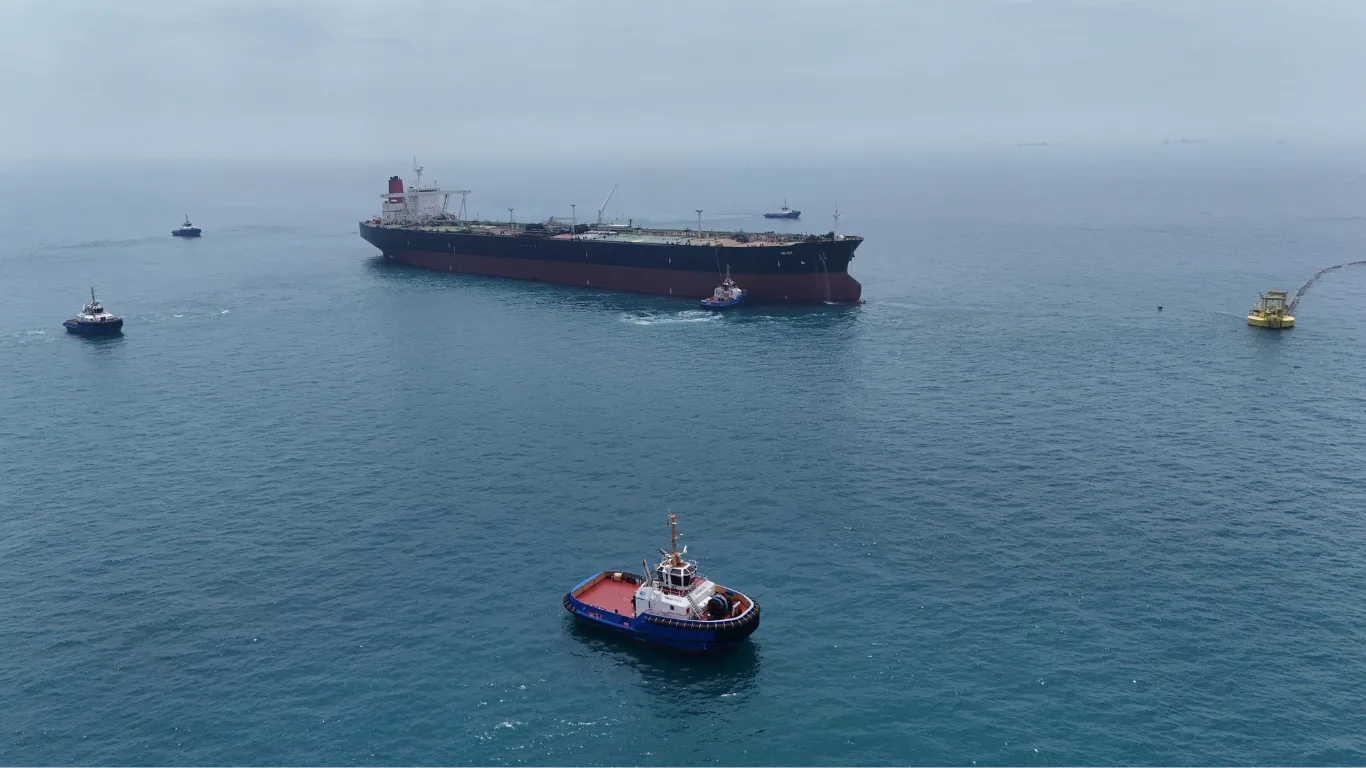
Three vessels were hit by gunfire in the Strait of Hormuz. A Gujarat-bound cargo ship was among those seized by Iran. A ceasefire that keeps getting extended but feels more fragile by the hour. Peace talks that Iran is refusing to attend. And the United States, sitting with a reportedly depleted missile stockpile, is trying to look like it still controls the situation.
This is not background noise. This is one of the most consequential geopolitical flashpoints on the planet right now, unfolding in real time.
Why the Strait of Hormuz Matters More Than Most People Realise
Here is a number worth sitting with. Roughly 20 per cent of the world's oil passes through the Strait of Hormuz. That narrow stretch of water between Iran and Oman is, in the bluntest terms, the world's most important oil chokepoint. When something happens there, it does not stay a regional problem. It becomes everyone's problem, including yours, at the fuel pump and in the price of everyday goods.
Iran seizing ships in the Strait of Hormuz is not a new tactic. But doing it now, during an active US-Iran military standoff with a ceasefire ticking down, is different. The stakes are not just diplomatic. They are economic and potentially catastrophic.
What Is Actually Happening Right Now
Let's slow this down. The US and Iran have been engaged in what can only be described as a military confrontation. A ceasefire was put in place, but it keeps being extended, which sounds reassuring until you understand that extension does not mean resolution. It means neither side is ready to stop, and neither side is ready to commit to peace either.
Iran has now seized vessels in the Strait of Hormuz, including a ship that was reportedly headed toward India. That detail is important. India is not a party to this conflict. Yet Indian cargo is now caught inside it. This is how regional wars become global disruptions, quietly and then suddenly.
Read More: One Year of Operation Sindoor: How India Rewrote the Rules of War with Pakistan

Meanwhile, the US halted a shipment of hundreds of millions of dollars in cash to Iraq, reportedly to squeeze Iran-linked armed groups operating there. That is economic pressure layered on top of military pressure. And reports suggest that US missile stockpiles have been significantly drawn down by this conflict, raising serious questions about what happens if another crisis erupts simultaneously, somewhere else in the world.
Read More: India-New Zealand Free Trade Agreement: What the Historic Deal Actually Changes for Trade, Jobs, and You
The Peace Talks That Are Not Happening
Pakistan had stepped in as a potential mediator. US Vice President JD Vance was reportedly set to travel to Islamabad to facilitate talks. Then Iran said it had no plans to send a delegation. The trip was put on hold indefinitely.
This matters because the US-Iran peace talks' collapse is not just a diplomatic embarrassment. It is a signal. When a ceasefire exists but talks refuse to start, the ceasefire is on borrowed time. Iran has publicly said it is prepared to reveal what it calls new cards on the battlefield. That is not the language of a country moving toward de-escalation.
What China Has to Do With This
A US senator publicly accused China of being caught helping Iran produce missiles, pointing to materials allegedly found on a seized ship. China's role here is not peripheral. Iranian tankers have reportedly been turning off their transponders, essentially going dark on maritime tracking systems, to slip through the US naval blockade. That kind of operational sophistication does not appear from nowhere.
China-Iran weapons supply is now a formal accusation in the US political conversation, and that raises the possibility of this conflict pulling in far larger powers than initially involved.
Read More: UAE Quits OPEC Amid Iran War – Impact on Global Oil Markets & Prices
What This Means for India Specifically
A Gujarat-bound cargo ship was among those seized. India imports a significant portion of its oil from West Asian sources. Any prolonged disruption in the Strait of Hormuz means higher oil prices for India, potential shipping delays, and insurance costs for cargo that spike almost immediately in conflict zones.
India has also been carefully maintaining ties with both the US and Iran. That balancing act becomes harder every time a direct military confrontation escalates. This is not abstract foreign policy anymore.
The Bigger Picture Nobody Wants to Say Aloud
What this conflict is exposing is how thin the guardrails of global order actually are. A ceasefire held together by extensions rather than agreements. Peace talks that one side refuses to attend. Economic pressure that spills across borders without warning.
The world has seen this pattern before. It rarely ends quietly.
Disclaimer: This article is based on information available across the web. Parchar Manch does not take responsibility for its complete accuracy, as the content could not be fully verified.
Read More: When Fashion Became a Museum Piece: Inside the 2026 Met Gala's "Costume Art" Night
FAQs
What is the Strait of Hormuz, and why does it matter?
It is a narrow waterway between Iran and Oman through which roughly a fifth of the world's oil supply passes. Any blockage or conflict there immediately affects global oil prices and supply chains.
Why did Iran seize ships near the Strait of Hormuz?
Iran appears to be using ship seizures as leverage during its ongoing military and diplomatic standoff with the United States, signalling that it can disrupt global shipping if pressure on it continues.
What happened to the India-bound cargo ship?
A Gujarat-bound vessel was reportedly among those seized by Iran near the Hormuz Strait, highlighting how non-combatant countries like India can get caught in the crossfire of a conflict they are not part of.
Why did the US-Iran peace talks in Pakistan collapse?
Iran indicated it had no plans to send a delegation to Islamabad, where talks were being facilitated. US Vice President JD Vance's planned visit was subsequently put on hold, leaving the ceasefire without a formal negotiation process.
Is the US running out of missiles?
Reports suggest that US military strikes against Iran have significantly depleted certain categories of missile stockpiles, raising concerns among defence analysts about readiness for simultaneous conflicts elsewhere.