What Is the Anti-Defection Law in India: Meaning and Rules Explained
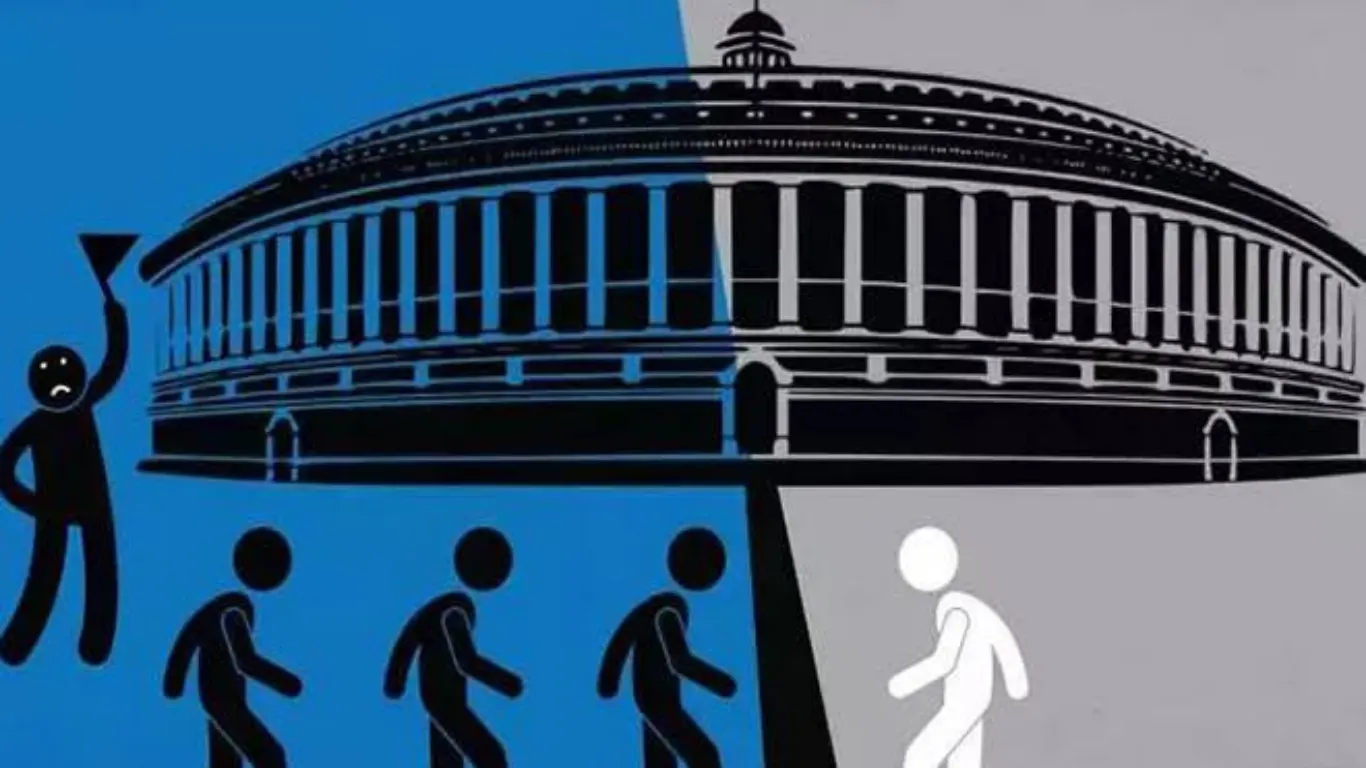
A lawmaker may be elected to the platform of one party, but silently votes for the opposing party after a year. There's no resigning, no new election, simply a switch. It was almost commonplace at one point. Then, a rule was introduced to prevent it. What, what is the anti-defection law in India and what does it safeguard? We discuss here, as you would explain the law to a new acquaintance.
Why What Is the Anti-Defection Law in India Actually Matters to You
It's possible that this issue only applies to students in political science. However, it isn't. Each time a state's government falls apart overnight, or MLAs are thrown into resorts, this law is why the story is logical. Understanding the details of the law that prevents defections in India allows you to read these reports with clarity and avoid confusion. Being aware of the details of the law against defection in India also explains the reason "resort politics" exists at all, because it can trace back to well-known defection loopholes in the law.
What It Really Is: The Concept Explained Simply
The anti-defection law stipulates that an elected member is removed from office if they quit their party, disobey any official party directive, or choose to withdraw from the party. It is contained in the 10th Schedule of the indian constitution and was included in the 52nd Amendment in 1985. Imagine a sports team. You can't play for only one team on Monday but aid the team of your opponent on Tuesday, while wearing the same jersey. The 10th Schedule in the indian constitution is designed to safeguard elected officials, which means that the horse-trading law, one of the most enduring loopholes of the defection law, actually is not a way to allow for a secluded decision on who is the government.
How It Works, Step by Step
This is the real-world explanation of the law against defection in India.
- A member is elected based on the party symbol.
- The party issues whips on what to do in the House, and these rules for whips of the party apply to virtually every vote.
- If you vote against the whip without prior authorization could lead to exclusion.
- A complaint is made to the Chairman or the Speaker or the Chairman of the House.
- The Speaker makes the rules and acts like an attorney, but is always governed by the existing rules of the party whip.
This is the place where the rules of the party whip stand at the core of all. Whips are written orders to the members of the party to vote in a certain manner. If you ignore it without a valid justification or justification, the disqualification of an mla MP status is an extremely risky possibility. The decision of the Speaker could later be challenged in court, and judicial review has affected the way the disqualification process for MLA MP cases will actually be handled.
Real-World Examples That Make This Click
Consider Karnataka in 2019 or Maharashtra just a few years later. Both saw huge groups of MLAs change loyalties, which led to lengthy legal battles. These events demonstrate the law against defection in India moving beyond just a textbook theory and demonstrate what constitutes the anti-defection law in India in the event that real power is in play. The Speaker may have been fair or was simply unable to act, as the law doesn't have a precise timeframe.
Mistakes People Keep Making, and Why
Many believe this law prevents switching between parties entirely. Not quite. There's an exception when two-thirds of the legislators from a particular party combine with a rival party; this is an actual merger, not defection. This is frequently referred to as one of the most obvious defection loopholes in the law since it allows large-scale shifting under the name of merger, while the individual switch is still punishable. Another error is to assume that courts can reverse a Speaker's ruling immediately.
The process of reviewing a judge's decision is available, but it could be delayed for months in the absence of the administration that it is affecting; this is the reason loopholes in the law of defection continue to pop up in every crisis. The scholars studying the 10th Schedule of the indian constitution refer to this clause as the largest of all loopholes in the defection law that are not addressed.
Pro Tips That Actually Help You Understand This Better
To fully comprehend the nature of the law against defection in India beyond the headlines, observe how frequently the merger clause is utilized versus individual defections. This is a sign of which parties are playing the system. Monitor Speaker timelines, too, because the unresolved disqualification of mla MP petitions can determine who has the power for a long time before the courts take a decision. Brief summaries of Supreme Court judgments on party whip rules provide more information than the majority of news articles.
Closing Thoughts
The laws like this were created in order to control an unorganized mess. This hasn't stopped defections, but it has changed the way they occur, leading to mergers based on open floor crossings. This is the truth, and it's not that the anti-defection law in India has failed, but rather that ingenuity is constantly uncovering narrow doors in an apartment that was built on the 10th Schedule of the Indian Constitution rules, as well as known loopholes in the defection law. That is, in fact, the most important solution, which is the anti-defection law in India.
Must read: What Is the Uniform Civil Code? Meaning, History, Article 44 and the UCC Debate Explained
FAQs
How can I find the anti-defection law that is in India as a matter of fact?
In short, what is the anti-defection law in India? It boils down to this is that it prohibits members who leave or vote against whips or leave the membership for no reason, according to the 10th Schedule in the Indian Constitution.
Which Schedule of the Constitution includes the legislation?
The 10th Schedule of the indian constitution, which was inserted into the 52nd Amendment in 1985.
Does an MLA have the ability to switch members without losing their seats?
Only under the merger exception, when two-thirds of members join together, else disqualification for mla MP proceedings could follow.
Who decides on disqualification in instances of MLA MPs?
The Speaker or Chairman of the House is subject to court review of judicial decisions, which are crucial to determining the law on anti-defection in India.
What is the consequence if a member does not follow the party whip's guidelines?
They risk losing their mla mp status, as ignoring the official party whip's rules without permission is considered voluntary departure.