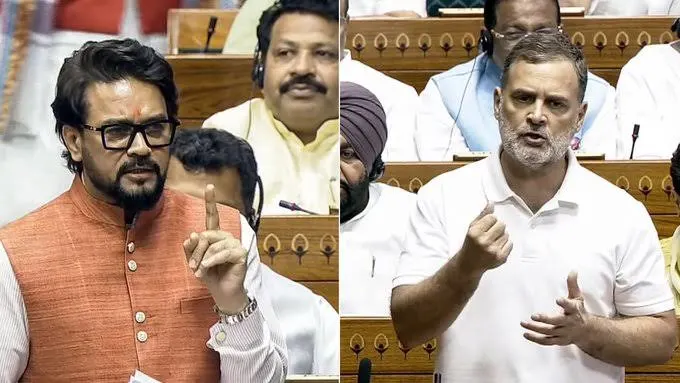
Anurag Thakur Privilege Notice Against Rahul Gandhi: What Actually Happened in Parliament
Some Parliament rows fade by evening. This one didn't. The Anurag Thakur privilege notice against Rahul Gandhi has been the talk of political circles since Thursday, and if you only caught the headline, you probably missed why it's actually significant. It's not just two politicians sniping at each other, again. It's a formal legal-parliamentary process, with rules, sections, and a Speaker who now has to decide something.
Let's slow down and walk through it properly, because most reports assume you already know what a privilege notice even is. You probably don't. Neither did I, really, before reading through the actual notice details.
Why This Actually Matters
Here's the thing that makes this worth your attention, even if you don't follow politics closely. When a senior BJP MP formally accuses the Leader of Opposition of breaching parliamentary privilege, it's not theater, no, that's underselling it, it's an actual mechanism that can lead to expunged remarks, a committee inquiry, and demands for a public apology. That changes the tone of an entire parliamentary session. It also tells you something about how Rule 352 and Rule 353, obscure as they sound, quietly shape what MPs can and can't say on the floor of the Lok Sabha.
If you've ever wondered how "unparliamentary language" actually gets policed in India's Parliament, this case is basically a live demonstration.
What a Privilege Notice Really Is, Explained Simply
Think of Parliament as a workplace with strict internal HR rules. Certain words, certain kinds of accusations, they're simply not allowed, however heated the meeting gets. A breach of privilege notice is essentially a formal complaint saying someone broke those internal rules badly enough that it needs official review.
In this case, Anurag Thakur, the BJP MP, submitted a three-page notice to Lok Sabha Speaker Om Birla against Rahul Gandhi, alleging Gandhi used unparliamentary and derogatory language, and made serious, unsubstantiated allegations against Union Home Minister Amit Shah, all without giving the required advance notice.
The notice was filed under Rules 222 and 223 of the Rules of Procedure and Conduct of Business, asking the Speaker to refer the matter to the Committee of Privileges under Rule 227 for a detailed inquiry.
Read More: Rahul Gandhi Writes to Amit Shah Over Student Protest, and the Questions He's Asking Are Pointed
How This Unfolded, Step by Step
- The trigger: During a July 29 Lok Sabha debate on the anti-paper leak bill and police action against NEET protest students, Gandhi recounted a conversation he claimed to have had with a protesting student.
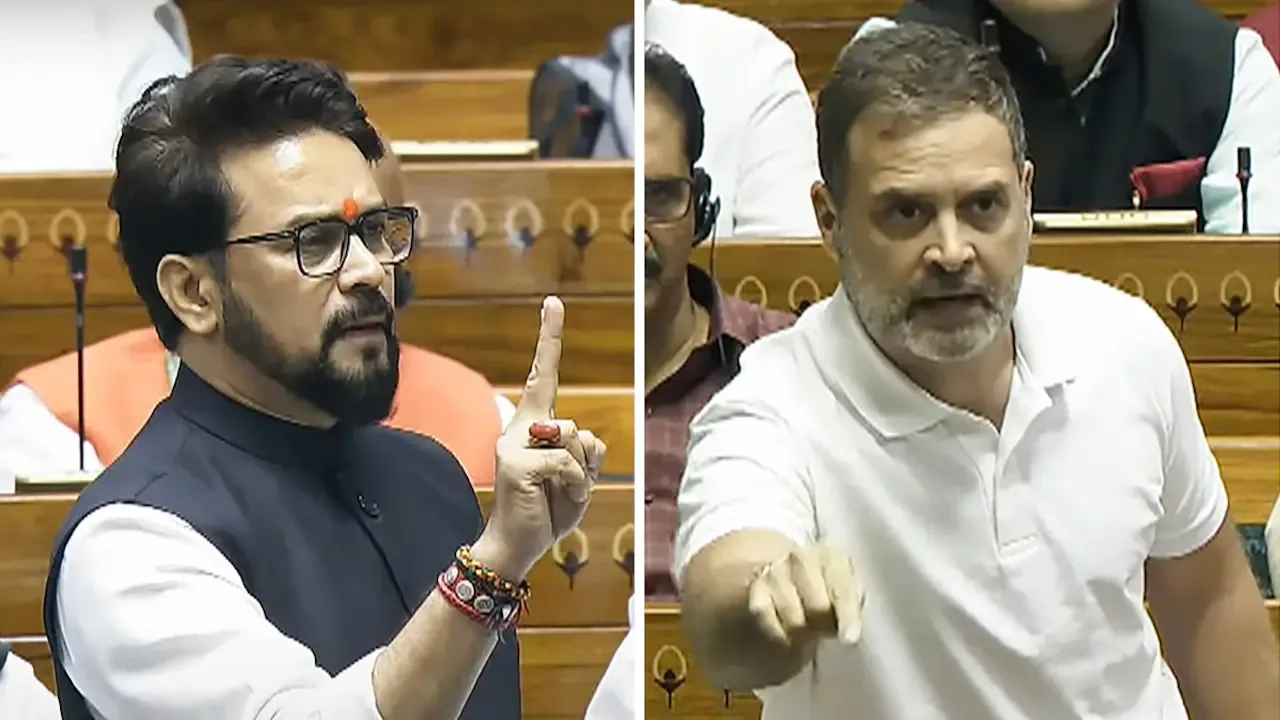
- The disputed words: According to Thakur, Gandhi used the terms "idiot" and "andhbhakt" while narrating this exchange, terms Thakur calls offensive and unfit for parliamentary use under Rule 352.
- The objection in real time: Parliamentary Affairs Minister Kiren Rijiju reportedly objected during the proceedings itself and sought expunction of the remarks as unparliamentary.
- The repeat: Thakur's notice alleges Gandhi repeated the expressions even after being cautioned by the Chair.
- The Shah allegation: Separately, Gandhi is accused of levelling serious claims against Amit Shah regarding the police response to protesting students, without prior notice to the Speaker or the minister, a violation of Rule 353 according to the complaint.
- The ask: Thakur has requested that the disputed remarks be expunged under Rules 380 and 381, the matter go to the Privileges Committee, and Gandhi issue an unconditional apology to both the House and Shah.
Real-World Example That Makes This Click
Picture a heated office meeting where someone recounts a private conversation to make a point, using a harsh word for emphasis, and the meeting chair immediately asks them to withdraw it. If they repeat it anyway, HR gets a formal complaint the next morning. That's essentially the structure of this privilege notice, minus the informality. Parliament just has stricter, codified rules for exactly this scenario, and Thakur is invoking them precisely.
Mistakes People Keep Making, And Why
A common misunderstanding is assuming a privilege notice automatically means punishment is coming. It doesn't. It's a request for the Speaker to examine the matter, nothing is decided instantly. Another mistake is treating this purely as a Thakur versus Gandhi personal fight. It's broader than that, it's about how Rule 352 and Rule 353 get applied, or don't, depending on political will and the Speaker's judgment.
Pro Tips for Understanding Parliamentary Disputes Like This
If you want to actually follow stories like this instead of just reacting to headlines, learn the difference between a privilege motion and a point of order, they sound similar but serve different purposes. Also, always check whether the Speaker has formally admitted a notice yet, submission and admission are two very different stages, and news coverage often blurs that line.
Closing Thoughts
There's a strange rhythm to Indian parliamentary politics, accusation, notice, counter-accusation, and eventually, silence until the next flashpoint. Whether this particular Anurag Thakur privilege notice leads anywhere concrete depends entirely on Speaker Om Birla's next move. For now, it sits as a reminder that words spoken on the floor of the Lok Sabha carry weight well beyond the moment they're said.
FAQs
What is a privilege notice in the Lok Sabha?
It's a formal complaint alleging that an MP's conduct breached parliamentary privilege or amounted to contempt of the House, submitted for the Speaker's review.
What exactly did Anurag Thakur allege against Rahul Gandhi?
That Gandhi used unparliamentary words like "idiot" and "andhbhakt," and made unsubstantiated allegations against Amit Shah without required advance notice.
Which rules were cited in the notice?
Rules 222, 223, 227, 352, 353, 380, and 381 of the Rules of Procedure and Conduct of Business in the Lok Sabha.
Has the Speaker taken any action yet?
As of the latest reports, the notice has been submitted, but no decision on admission or referral to the Privileges Committee has been announced.
Did anyone object during the actual Lok Sabha session?
Yes, Parliamentary Affairs Minister Kiren Rijiju reportedly objected in real time and sought expunction of the remarks.