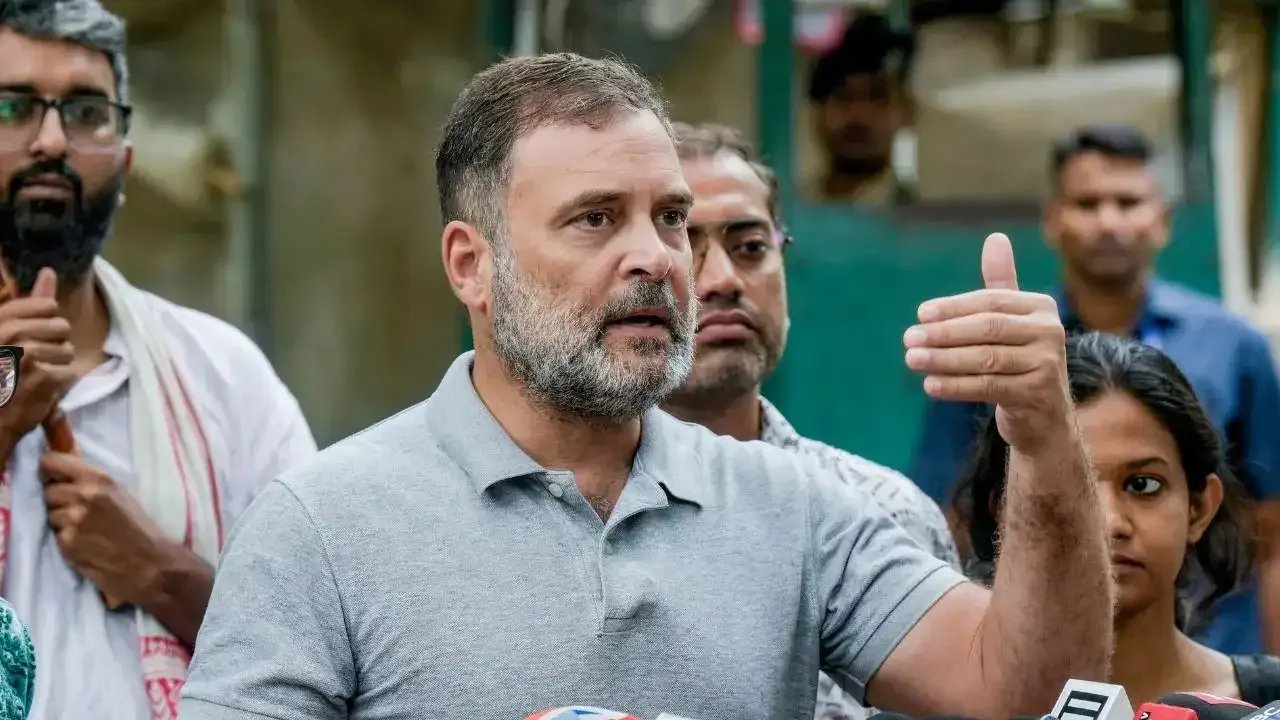
Rahul Gandhi Writes to Amit Shah Over Student Protest, and the Questions He's Asking Are Pointed
There's a specific line in this letter that's hard to skim past. Rahul Gandhi asking, in writing, whether the Home Minister personally approved the use of lethal force against protesting students. That's not a rhetorical flourish, it's a direct question aimed at the man who oversees India's internal security apparatus. The Rahul Gandhi Amit Shah letter, dated July 25, 2026, is the latest turn in a story that's already forced a Cabinet minister's resignation, and it shifts the focus from exam leaks to something arguably more serious, how the state responded when students showed up to protest.
Let me walk through what the letter actually says, what's disputed, and what's actually been confirmed so far, because this is one of those stories where the gap between allegation and confirmation matters a lot.
Why This Actually Matters
Step back for a second. This isn't just a political jab between rivals. It's happening in the middle of India's biggest youth protest movement in years, one that already led to Education Minister Dharmendra Pradhan's resignation over the NEET-UG paper leak. When the Leader of the Opposition in the Lok Sabha writes directly to the Union Home Minister asking who authorized force against demonstrators, it's a formal escalation, on the record, demanding accountability rather than just criticizing from a podium. Whether or not you follow Indian politics closely, the underlying question, how a democracy treats young people protesting peacefully, is one worth understanding regardless of where you sit politically.
What the Letter Actually Says
Here's the plain version. Gandhi wrote to Home Minister Amit Shah demanding accountability for what he called a "barbaric assault" on students who were protesting peacefully in Delhi on July 20, 2026. In his words, students were demanding a fair and accountable education system and were instead met with what he described as indiscriminate force, including tear gas and what he alleged were lethal weapons.
Two questions sit at the center of the letter, and they're worth separating clearly. First, did Shah approve the use of lethal force, including pellet guns, against the protesters, and if not, who did authorize it. Second, were the people seen in plain clothes beating students with lathis actual police personnel, or volunteers, and under whose authority were they deployed. Both questions are aimed at establishing a chain of command, who exactly is responsible, rather than just condemning the outcome in general terms.
What's Actually Confirmed Versus Disputed
This is where care matters. Gandhi's letter alleges that hundreds of protesters suffered serious injuries, that women students were assaulted, and describes the reported use of pellet guns as the most shocking element. He references meeting 19-year-old student Sahil Lochab, who he says is in severe pain and at risk of losing an eye.
Independent reporting adds real texture here, but doesn't settle the dispute cleanly. According to multiple accounts, Lochab did undergo surgery, with his family reportedly told there's only a slim chance of restoring vision in his right eye. Another protester, Sheikh Irshad Mansoori, reportedly had a metallic pellet removed from beneath his eye during surgery at a Delhi hospital. Medical records from Safdarjung Hospital reportedly showed wounds consistent with pellet strikes on a journalist who was also injured.
At the same time, Delhi Police has categorically denied using pellet guns, calling the reports "false and misleading." As of the most recent reporting, no official investigation has conclusively established pellet gun use in the public domain, even though injured protesters, medical reports, and independent journalism have raised serious questions about that denial. The Rapid Action Force, whose personnel were deployed alongside Delhi Police that day, has reportedly opened an internal inquiry into allegations of disproportionate force, though a formal Court of Inquiry hadn't been ordered as of the latest updates.
How This Fits Into the Bigger Picture, Step by Step
- The protest itself was part of a "Chalo Sansad," or March to Parliament, organized on July 20 by the Cockroach Janta Party, a youth movement that grew rapidly around the NEET-UG paper leak controversy.
- Human rights organizations, including Amnesty International India, have called the police response excessive and pushed for independent investigations.
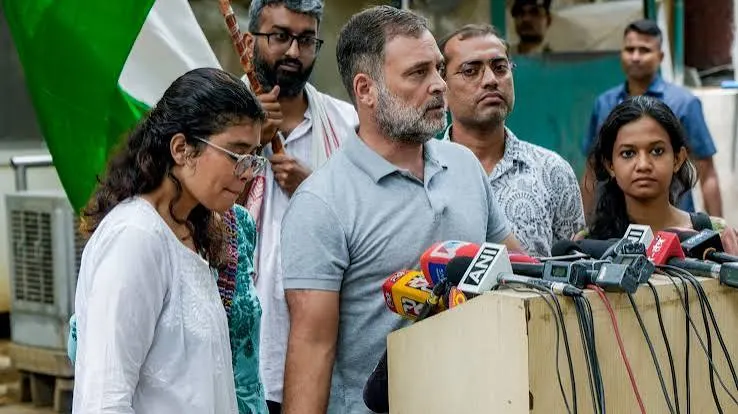
- Reports indicate over a hundred police personnel and dozens of protesters were injured during the clashes, alongside a significant security buildup, including CRPF companies moved into Delhi.
- The protest movement spread beyond Delhi to cities including Mumbai, Bengaluru, and Kolkata, broadening from an education-specific grievance into a wider demand for government accountability.
- Days later, Education Minister Dharmendra Pradhan resigned, and the government introduced tougher legislation on paper leaks, suggesting the pressure from these events had real political consequences.
Mistakes to Avoid When Reading This Story
The easy mistake here is picking a side based on which framing you saw first, either treating Gandhi's letter as proven fact or dismissing it because police denied it. Neither holds up under scrutiny. The honest position, based on what's publicly verifiable right now, is that serious injuries did occur and have been documented by hospitals and journalists, while the specific claim of pellet gun use remains formally denied by police and unconfirmed by any completed independent investigation.
Pro Tips for Tracking This Story Properly
If you want to actually follow where this goes, watch for two things specifically. Whether the RAF's internal probe escalates into a formal Court of Inquiry, and whether any court, given that petitions alleging police excesses have already been filed, orders an independent investigation. Those outcomes will tell you far more than any political statement will, since they're the mechanisms actually capable of establishing what happened.
Closing Thoughts
There's a version of this story where the specific facts eventually get sorted out, medical records, video evidence, and formal inquiries tend to narrow the truth over time. But there's another layer here that won't wait for that resolution, the fact that a Leader of the Opposition felt compelled to put these questions in writing to the Home Minister at all says something about how deep the mistrust has run this month.
Read More: Is Kolkata Really a City of Slums Like Amit Shah Said? Here's What the Data Actually Shows
FAQs
Why did Rahul Gandhi write to Amit Shah?
He demanded accountability for what he called a "barbaric assault" on students protesting peacefully in Delhi on July 20, 2026, and asked who authorized the force used against them.
What does Gandhi allege happened during the protest?
He alleged security forces used indiscriminate force, including tear gas and pellet guns, injuring hundreds of protesters, and cited the case of a 19-year-old student at risk of losing an eye.
Has Delhi Police responded to the pellet gun allegations?
Yes. Delhi Police has categorically denied using pellet guns, calling the reports "false and misleading."
Is there an official investigation into what happened?
The Rapid Action Force has reportedly opened an internal inquiry into allegations of disproportionate force, though a formal Court of Inquiry had not been ordered as of the latest reports, and no conclusive public findings have confirmed pellet gun use.
What protest is this connected to?
The July 20 demonstration was organized by the Cockroach Janta Party as part of its broader movement over the alleged NEET-UG paper leak and demands for education system accountability.
Did this letter come before or after Dharmendra Pradhan's resignation?
It came shortly after. Pradhan resigned as Education Minister following the protest movement, and Gandhi's letter shifted attention to how police handled the demonstrations themselves.