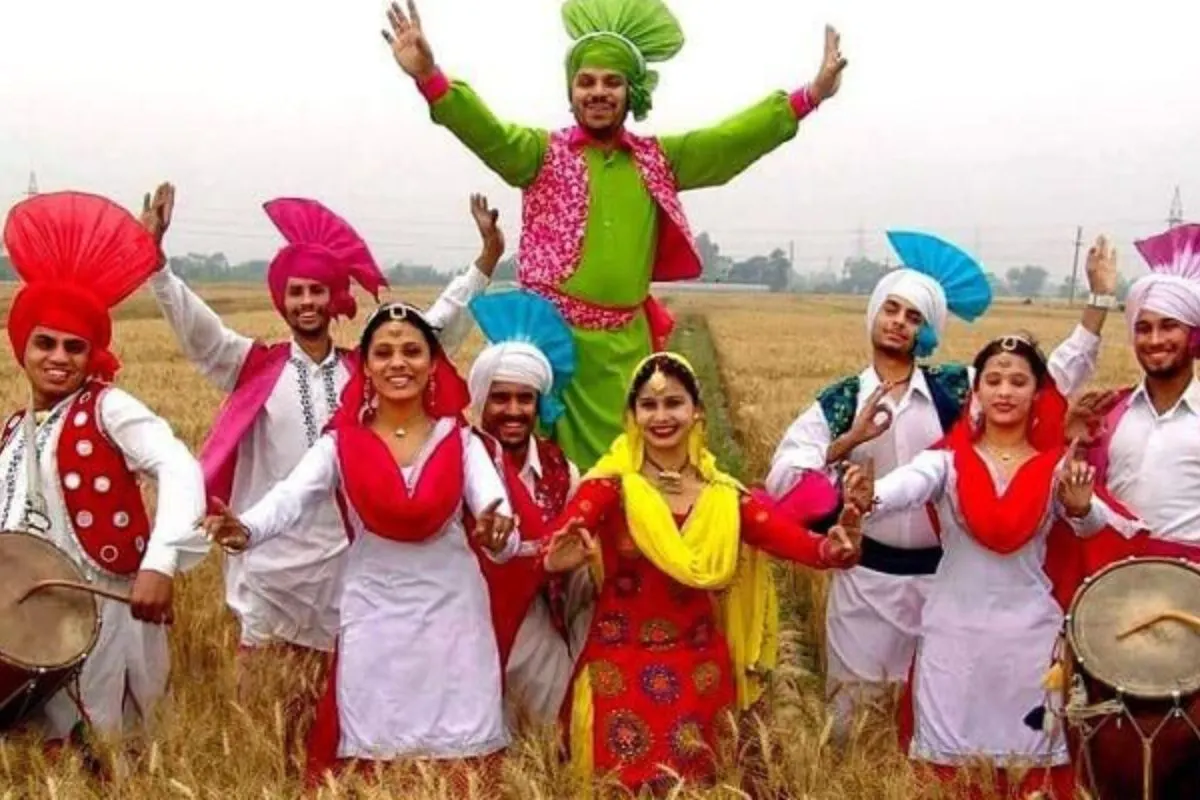
Baisakhi 2026: History, Significance, and Celebration in India
There’s something about Baisakhi it doesn’t arrive all at once. You begin with a definition, harvest festival, Punjab, April, and it feels complete for a second. Then it shifts. Expands. Becomes something else. Something fuller almost like it remembers more than we do.
This is a festival that carries sunlight in wheat fields, echoes of history, quiet prayers, loud drums all at once. And maybe that’s why it never fits into just one explanation.
What is Baisakhi?
Baisakhi is a major festival celebrated every year on 13th April (sometimes 14th), mainly in Punjab and across northern India. It marks the harvest of rabi crops, especially wheat, and is also considered the Sikh New Year. But even that sounds a little too tidy.
Because Baisakhi is not just about harvest, it’s about completion. Effort turning into results. Waiting is turning into relief. Farmers, after months of uncertainty, finally see their crops ready, golden, still, almost glowing. And there’s a kind of silence in that moment before the celebration begins.
Historical Significance of Baisakhi
- There is a deeper layer to Baisakhi, one that doesn’t shout, but stays.
- In 1699, Guru Gobind Singh established the Khalsa Panth on this very day. It wasn’t just a religious event; it was a transformation.
- He called for courage, for faith for sacrifice. And five men stepped forward. The Panj Pyare.
- That moment still lingers in Baisakhi celebrations. Not always visible. But present like something steady underneath everything else.
Read More: Navratri Day: Beautiful Darshan of Ram Lalla in Ayodhya!
Why is Baisakhi Important for Farmers?
For farmers, Baisakhi is not symbolic; it is real.
After months of hard work, tending to crops, facing unpredictable weather, and waiting This is the time when their efforts finally bear fruit. The wheat is ready to be harvested.
And maybe that’s the simplest way to understand it:
- Baisakhi is the moment when hard work becomes visible.
- There’s pride in it. Relief. Gratitude. A quiet sense of “we made it.”
How is Baisakhi Celebrated in India?
Baisakhi celebrations are vibrant, energetic, and deeply cultural. Villages and cities come alive, not gradually, but all at once.
Traditional Dance and Music
The beats of the dhol begin and everything changes.
- Bhangra: energetic, bold, almost overflowing with joy
- Gidda: expressive, rhythmic, filled with storytelling
These dances are not just performances they are emotions in motion. Even watching them feels like participation.
Religious Celebrations in Gurudwaras
While the outside world celebrates loudly, Gurudwaras offer a different space, calmer, grounded.
- Devotees visit Gurudwaras early in the morning
- Kirtans (devotional songs) are sung
- In West Bengal, it is observed as Poila Boishakh (New Year)
- Prayers are offered
And then there is Langar, the community meal. Everyone sits together, eats together. No status, no difference. Just shared humanity.
Read More: Hanuman Jayanti 2026: Date, Puja Vidhi, Muhurat & Significance
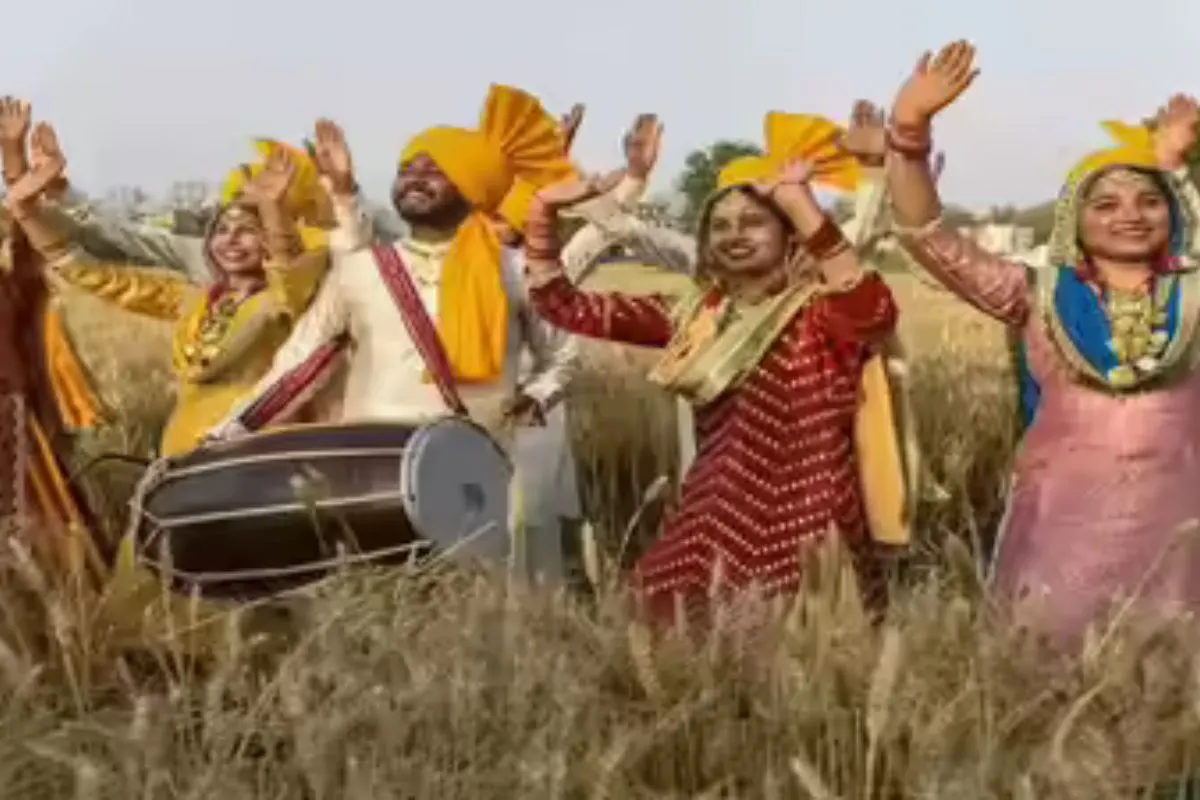
Baisakhi Celebrations Across Different States
Baisakhi may be rooted in Punjab, but its spirit spreads across India changing names, but not meaning.
- In Haryana and Himachal Pradesh, it is celebrated as a harvest festivalIn Assam, connected with Bohag Bihu
- Different regions, different traditions but the same underlying idea: renewal, new beginnings, and gratitude.
Traditional Food of Baisakhi
You can’t really talk about Baisakhi without pausing for food.
And not just any food, food that feels like celebration itself.
- Sarson da Saag with Makki di Roti
- Kada Prasad
- Kheer (rice pudding)
- Lassi, thick, sweet, comforting
Food during Baisakhi is not just about taste. It’s about togetherness. Sitting side by side. Sharing without thinking.
Modern Baisakhi Celebrations
Things have changed obviously.
Cities are faster now. Celebrations sometimes move to event spaces, clubs, or organised shows. Social media adds another layer photos, videos, perfectly captured moments.
- And yet something remains untouched.
- People still gather. I'm still dancing. Still visit Gurudwaras. I still feel that quiet happiness.
- Maybe Baisakhi adapts. But it doesn’t disappear.
Cultural Significance of Baisakhi
Baisakhi is not just a festival it is an identity, especially in Punjab.
It reflects:
- Agricultural roots
- Community bonding
- Spiritual devotion
- Historical pride
It holds together things that don’t always stay together: faith and celebration, silence and noise, effort and joy.
Conclusion
- Baisakhi It’s difficult to summarise it neatly.
- You can call it a harvest festival. A Sikh religious event. A cultural celebration.
- And all of that would be true.
- But still not complete.
- Because Baisakhi is also a feeling of relief, of gratitude, of belonging. It’s in the rhythm of drums, the stillness of prayer, the warmth of shared food, the sight of golden fields.
- It arrives every year and yet, somehow, it feels new each time.
- Maybe that’s what it really is, not just a festival, but a quiet reminder that after waiting, after effort something always blooms.
For more real and informational news, visit here - Parcharmanch and stay updated with trusted updates.
Read More: Gudi Padwa 2026: The Marathi New Year, Its History, Rituals, Date, Muhurat and Why It Still Matters