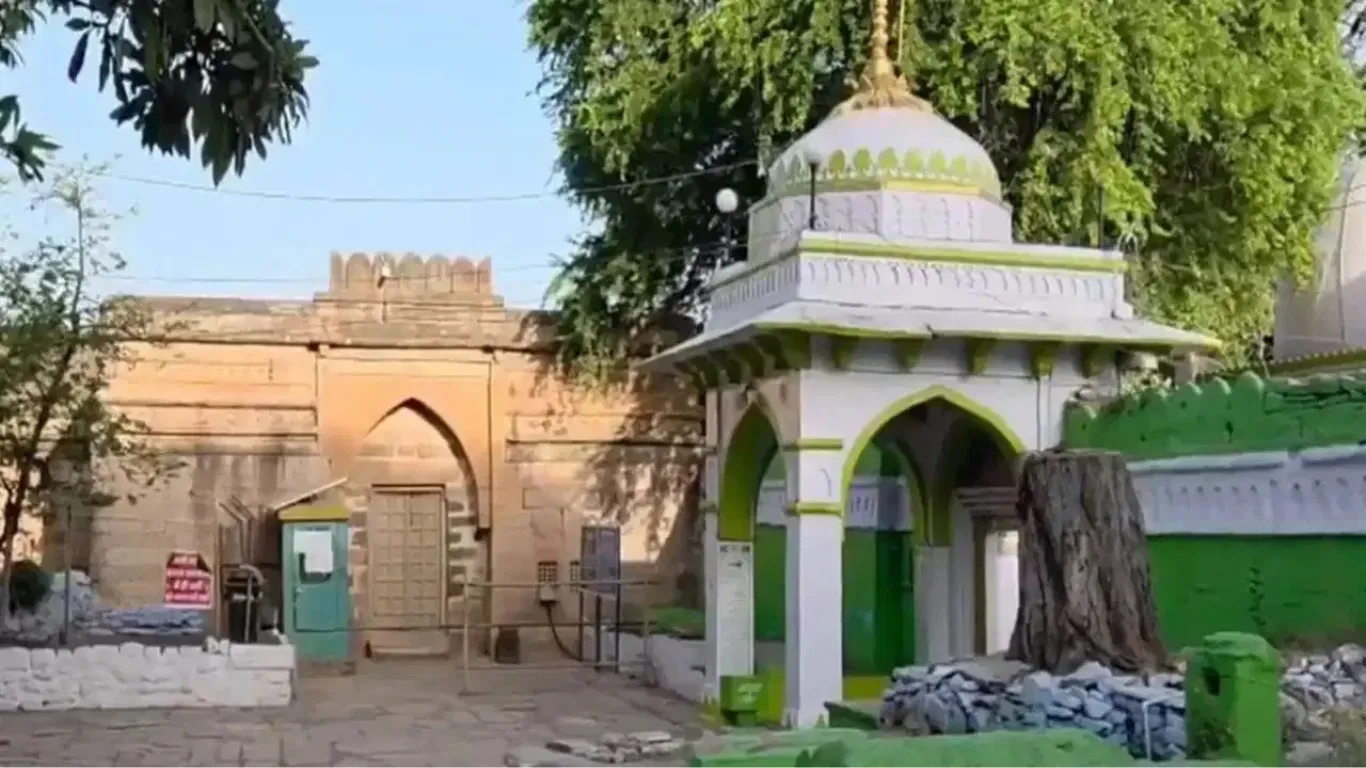
Bhojshala-Kamal Maula Dispute Reaches Supreme Court: What the High Court Ruled and Why It Matters
A single site in Dhar, Madhya Pradesh, carries the weight of centuries. And now, once again, it lands in India's highest court.
A Dispute That Refuses to Stay Buried
The Bhojshala-Kamal Maula dispute is one of those cases in Indian legal history that does not resolve quietly. It resurfaces. It reignites. And every time it does, it carries with it centuries of competing histories, deeply held faiths, and constitutional questions that the country has not quite finished answering.
The latest chapter: a Muslim party has approached the Supreme Court of India, challenging a recent order by the Madhya Pradesh High Court that declared the disputed site a temple and effectively barred the offering of Namaz there. The petition was filed by Qazi Moinuddin, who had been an intervener in the Madhya Pradesh High Court proceedings. The case is registered as Quazi Moinuddin v. Hindu Front for Justice, Diary No. 32281/2026.
Read More: Core Member Sandeep Pathak's Exit from AAP Hits Party the Most , And Here Is Why
Why This Case Matters Beyond Dhar
If you think this is just a local property dispute, it is not. The Bhojshala complex in Dhar is a 1,000-year-old structure built during the reign of the Paramara dynasty's King Bhoja, who ruled in the 11th century. Hindus regard it as a temple dedicated to Goddess Vagdevi, another name for Saraswati, the goddess of learning. Muslims have long used part of the same complex as the Kamal Maula Mosque and consider it sacred ground.
For decades, both communities worshipped at the same site under a shared arrangement governed by a 2003 circular issued by the Archaeological Survey of India (ASI). The ASI circular allowed Hindus to worship on Tuesdays and during Vasant Panchami, while Muslims could offer prayers on Fridays. Imperfect, yes. But it was an arrangement.
The Madhya Pradesh High Court just removed that arrangement entirely.
What the Madhya Pradesh High Court Actually Decided
The High Court's order, passed on May 15, 2026, came in response to writ petitions filed by Hindu Front for Justice and other parties. The court accepted the findings of an ASI survey report, which concluded that the disputed structure has the character of a temple. On that basis, the High Court declared Bhojshala a Hindu temple and quashed the 2003 ASI circular that had enabled the shared-use arrangement.
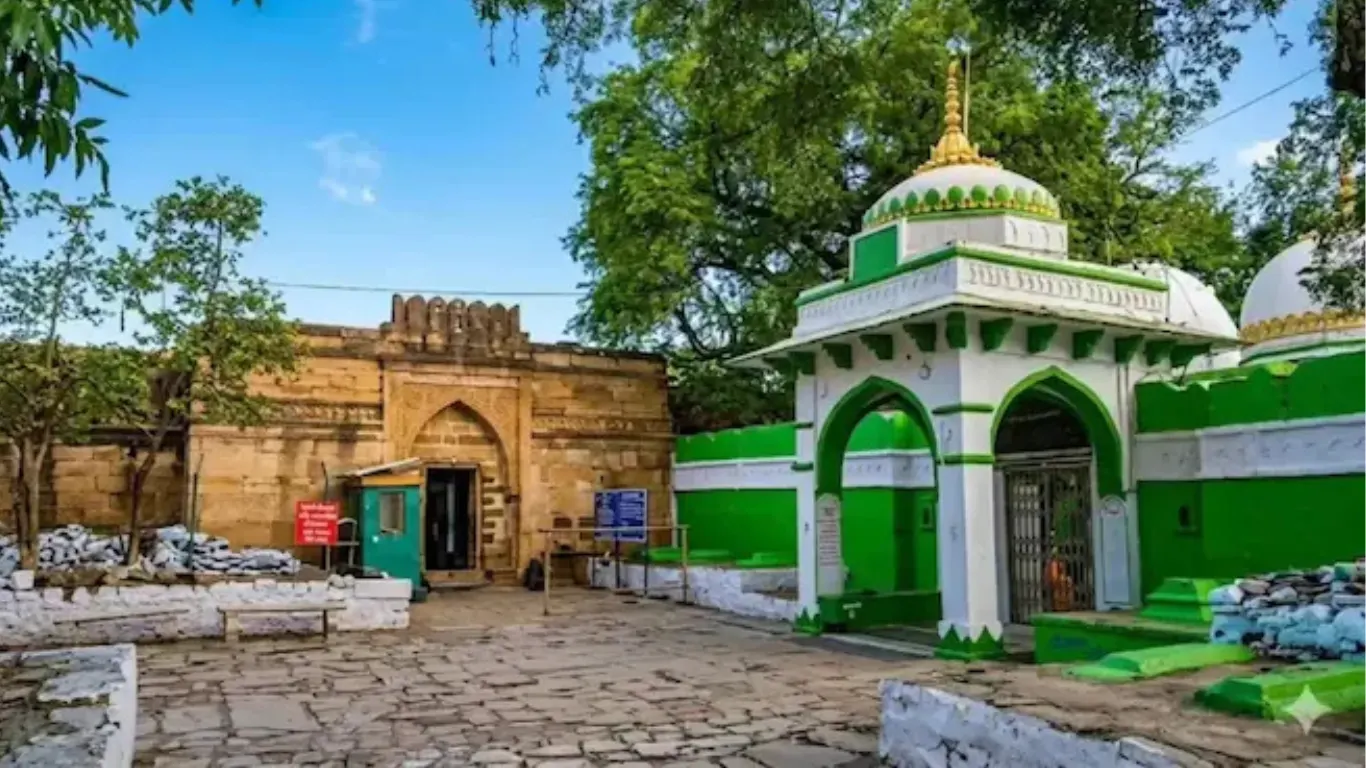
The practical consequence was direct and significant: Namaz cannot be offered at the site going forward. The Muslim community was given the liberty to apply to the State Government for an alternate plot in Dhar district where a new mosque could be constructed.
This is a significant judicial determination. It does not merely settle a property question. It decides the religious identity of a centuries-old structure that both communities have long called their own.
The Supreme Court Challenge: What the Muslim Party Is Arguing
Qazi Moinuddin's special leave petition before the Supreme Court argues that the High Court's findings regarding the religious character and historical usage of the Bhojshala-Kamal Maula complex are flawed. The petition contends that the order seriously and adversely affects the religious rights of the Muslim community, rights that are protected under the Indian Constitution.
The case will now be heard by the Supreme Court, which will decide whether to admit the challenge and, if admitted, examine the High Court's reasoning closely.
For anyone following India's religious disputes through the courts, this pattern should feel familiar. The Supreme Court has repeatedly been called upon to adjudicate the most sensitive questions of religious identity attached to historical sites.
Read More: How to Find the Right Legal Advisor Near Me: The Complete Guide to Getting Real Legal Help
The Broader Legal Context: Places of Worship and India's Courts
The Places of Worship (Special Provisions) Act, 1991 is a law that comes up repeatedly in cases like this. That law was designed to freeze the religious character of all places of worship as they existed on August 15, 1947, with the exception of the Ram Janmabhoomi site. Whether and how it applies to Bhojshala is a question that courts have grappled with previously, and it is likely to remain part of the legal conversation.
The ASI survey itself was a deeply contested process. The Supreme Court had earlier declined to stop the survey, allowing it to proceed while the legal dispute continued. The High Court then relied on the survey's findings to reach its conclusions. The Muslim party's challenge will likely question both the methodology of the survey and the legal weight given to it.
Closing Thoughts
There is something quietly important about the fact that when a community believes a court has wronged them, they go to a higher court. They use the system. They file petitions. They argue their case. That is not a small thing, especially in disputes where the temptation to abandon process entirely can be real.
The Bhojshala-Kamal Maula Supreme Court case will not resolve overnight. It may take years. But for now, the matter is where it belongs: before the country's highest judicial institution, where both sides will have the chance to be heard.
Disclaimer: This article is based on information available across the web. Parchar Manch does not take responsibility for its complete accuracy, as the content could not be fully verified.
Read More: When Fashion Became a Museum Piece: Inside the 2026 Met Gala's "Costume Art" Night
FAQs
What is the Bhojshala-Kamal Maula dispute?
It is a long-running religious and legal dispute over a centuries-old complex in Dhar, Madhya Pradesh. Hindus call it Bhojshala and consider it a temple of Goddess Vagdevi (Saraswati), while Muslims call it Kamal Maula Mosque and have historically offered Friday prayers there.
What did the Madhya Pradesh High Court rule in May 2026?
The MP High Court accepted ASI survey findings and declared the disputed site a Hindu temple. It also quashed the 2003 ASI circular that had allowed shared worship, effectively barring Muslims from offering Namaz at the site.
Who has challenged the Madhya Pradesh High Court order in the Supreme Court?
Qazi Moinuddin, who had been an intervener in the High Court proceedings, filed the special leave petition before the Supreme Court challenging the May 15 order.
What was the 2003 ASI circular about?
The Archaeological Survey of India issued a circular in 2003 that created a shared-use arrangement at the Bhojshala-Kamal Maula complex, allowing Hindu worship on Tuesdays and Vasant Panchami, and Muslim prayers on Fridays.
What happens next in the Bhojshala Supreme Court case?
The Supreme Court will decide whether to admit the special leave petition. If admitted, it will examine the High Court's findings on the religious character of the site and the legal validity of barring Namaz there.
Does the Places of Worship Act 1991 apply to this case?
This is one of the contested legal questions. The Act freezes the religious character of places of worship as of August 15, 1947, but its applicability to Bhojshala has been debated in courts previously and will likely remain part of the ongoing legal argument.