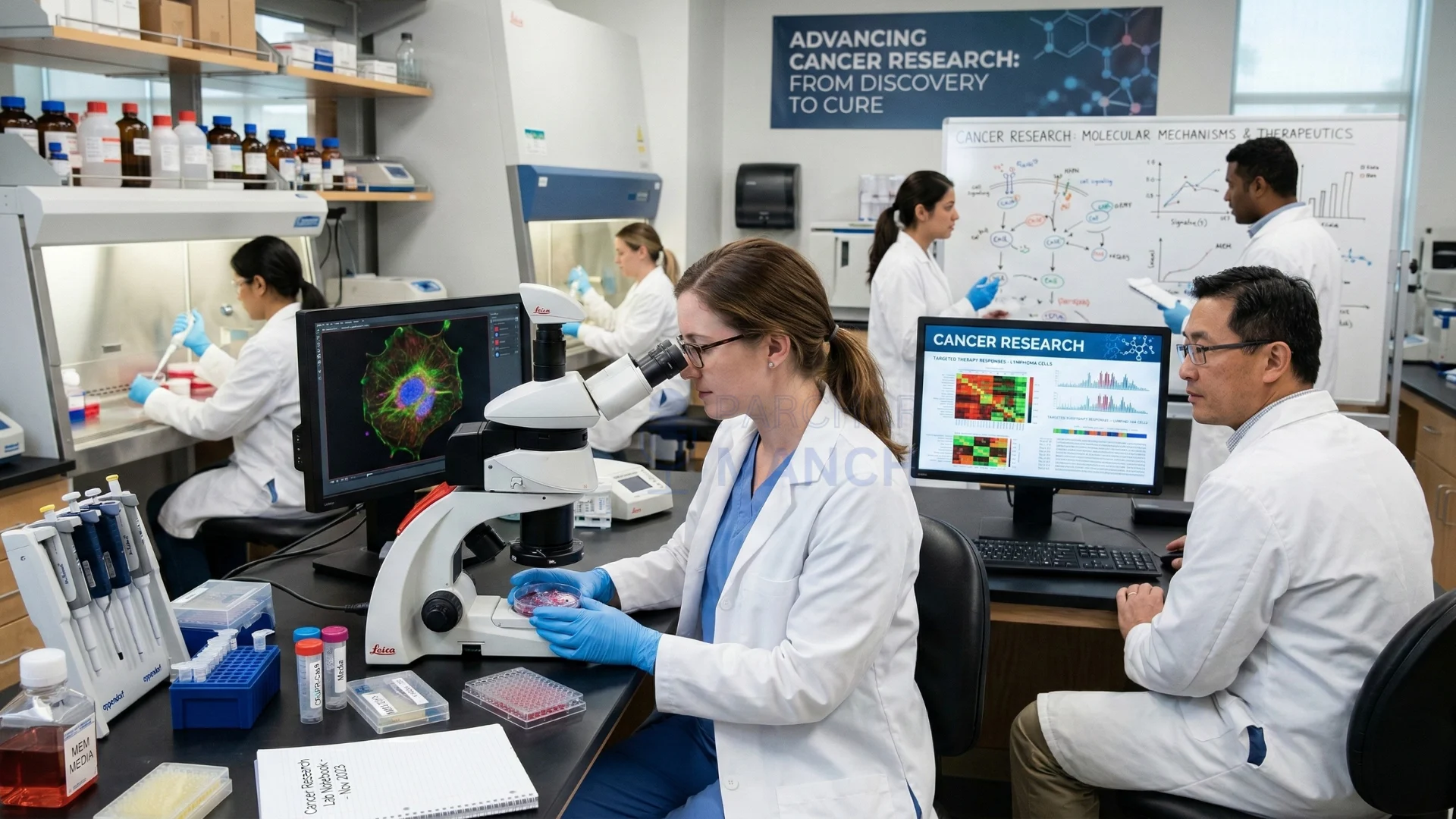
Cancer Research Updates: New Hope from Medical Science
Every year, thousands of scientists around the world work on understanding how cancer begins, grows, hides, and spreads. And slowly , sometimes frustratingly slowly , discoveries are changing how we detect, treat, and even prevent cancer.
This article will walk you through the most important updates in the latest cancer research, explained in simple and easy language. No complicated jargon. No confusing terms. Just clear, useful information that helps you understand where medical science stands today.
Understanding Cancer in Simple Words
Before talking about research, let’s pause.Cancer happens when some cells in the body start growing out of control. Normally, cells grow, divide, and die in a balanced way. But cancer cells ignore those rules. They keep multiplying. They form tumours. Sometimes they spread to other parts of the body , this is called metastasis.That’s the basic idea.
But what makes cancer so difficult is that it is not just one disease. There are over 100 different types. Each type behaves differently. That is why medical research on cancer is complex , it has to solve many puzzles at once. And yet, the progress in the latest cancer research is giving hope like never before.
Major Oncology Breakthroughs in Recent Years
When we talk about oncology breakthroughs, we mean discoveries that change how doctors treat cancer. And in the past few years, there have been several major shifts.
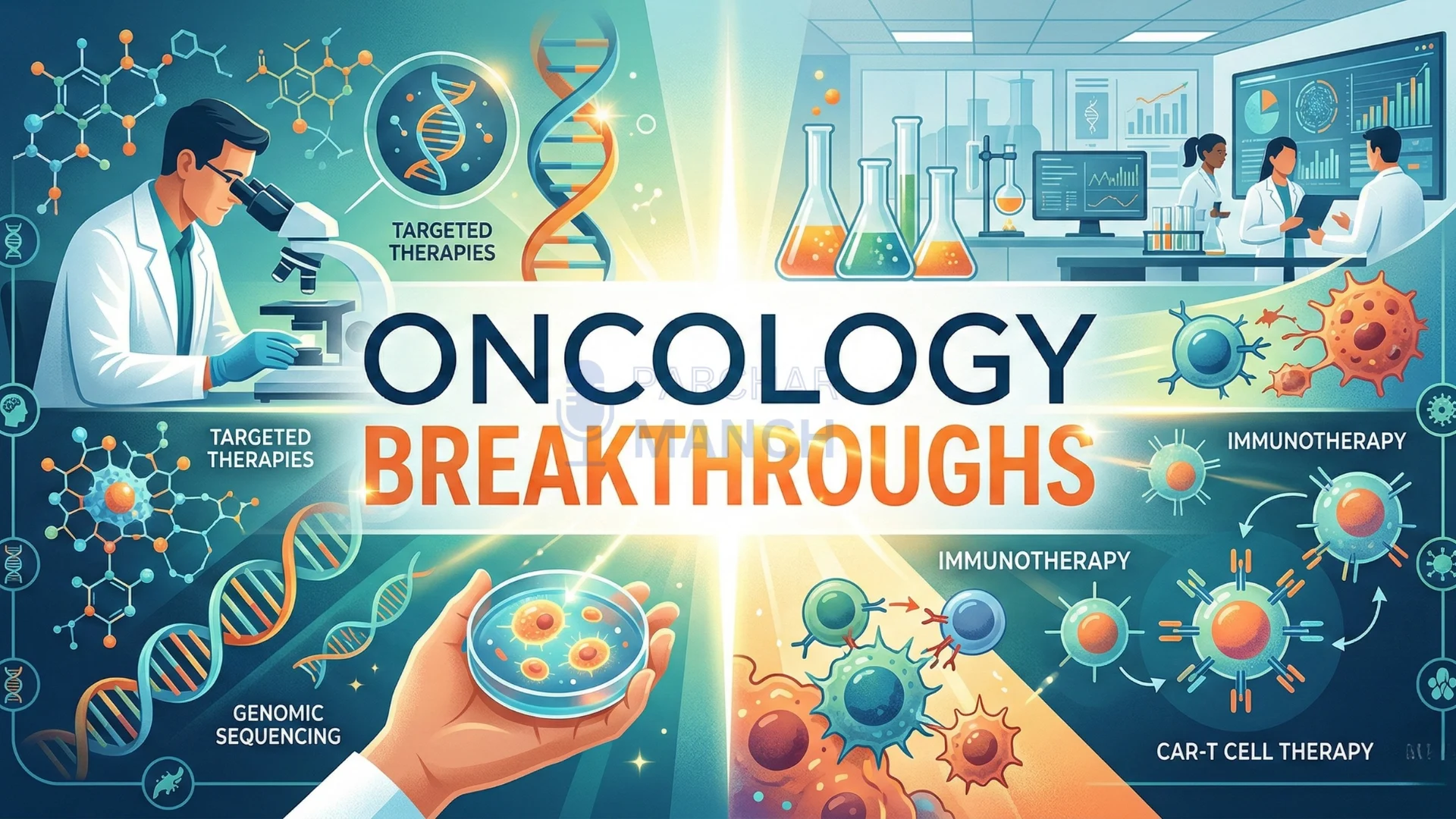
Some of the biggest areas of progress include:
- Immunotherapy
- Targeted therapy
- Personalized medicine
- Early detection technologies
- Artificial intelligence in diagnosis
These are not small improvements. They are changing survival rates in certain cancers. That matters. Let’s look at them one by one.
Immunotherapy: Teaching the Body to Fight Back
For decades, cancer treatment mostly meant surgery, chemotherapy, or radiation. They work , but they can be harsh. Immunotherapy is different. Instead of attacking cancer directly, it helps your own immune system recognise and destroy cancer cells. It is like turning on a light switch that cancer had quietly switched off.
Recent cancer research shows that immunotherapy has improved survival in cancers like:
- Melanoma
- Lung cancer
- Kidney cancer
- Certain blood cancers
Checkpoint inhibitors, CAR-T cell therapy, and immune vaccines are part of these new cancer therapies. Some patients who had advanced cancer years ago are now living much longer. That was rare before.
It doesn’t work for everyone. Not yet. But researchers are constantly improving it through cancer treatment research.
Targeted Therapy: Precision Instead of Power
Chemotherapy attacks fast-growing cells. That includes cancer , but also healthy cells. That is why side effects happen. Targeted therapy is smarter. These treatments focus on specific genetic mutations or proteins that cancer cells depend on. Think of it like cutting off a power supply only to the bad cells.
Read More: Dengue, Malaria & Viral Fever Alerts: Symptoms, Prevention & Safety Measures

Recent oncology breakthroughs have identified new targets in breast cancer, colorectal cancer, and leukaemia. Drugs are now designed based on the exact genetic makeup of a tumour. This is where medical research on cancer has changed direction. Instead of treating cancer by location alone (like lung or breast), doctors now look at its molecular profile. That shift is huge.
Personalised Medicine: Treatment Designed for You
No two cancers are the same. Even if two people have the same type, their tumours can behave differently. That’s why personalised medicine is growing. Through genetic testing and advanced lab analysis, doctors can now tailor treatments to individual patients. This is one of the most exciting parts of the latest cancer research.
Instead of a “one-size-fits-all” approach, treatment plans are becoming:
- More precise
- More effective
- Less toxic
- More predictable
This area of cancer treatment research is still developing, but it is already improving outcomes in many cancers.
Early Detection: Finding Cancer Sooner
Sometimes the biggest breakthrough is simply finding cancer earlier. New screening tools are being developed that detect cancer from a simple blood test. These are often called liquid biopsies.
They can:
- Detect tiny fragments of tumour DNA in blood
- Identify cancer before symptoms appear
- Monitor how the treatment is working
This type of innovation in medical research on cancer could transform survival rates. Early-stage cancer is much easier to treat.
The earlier we find it, the better the chances.
Cancer Clinical Trials: The Engine Behind Progress
Every major treatment you hear about today was once tested in cancer clinical trials. Clinical trials are research studies where new treatments are tested on volunteers. They follow strict safety rules. They move in phases , Phase 1 (safety), Phase 2 (effectiveness), Phase 3 (comparison to standard treatment). Right now, thousands of cancer clinical trials are happening globally.
They are testing:
- Combination immunotherapies
- Next-generation targeted drugs
- Cancer vaccines
- AI-guided treatment planning
Without cancer clinical trials, there would be no progress. They are essential to the latest cancer research and future therapies.
Artificial Intelligence in Cancer Research
This part feels almost futuristic. AI systems now help analyse medical images, detect tumours in scans, and predict treatment responses. They process huge data sets that humans cannot handle alone.
AI is speeding up medical research on cancer by:
- Identifying drug candidates faster
- Predicting mutation patterns
- Improving diagnostic accuracy
It does not replace doctors. It supports them. Quietly, efficiently. And honestly It’s impressive.
New Cancer Therapies on the Horizon
Some promising new cancer therapies currently being explored include:
- Cancer vaccines are designed to prevent tumour recurrence
- Oncolytic viruses that infect and kill cancer cells
- Gene editing tools like CRISPR
- Personalized tumor vaccines
These approaches are still being tested, often in cancer clinical trials, but early results are encouraging.
Each small success builds confidence in the direction science is moving.
Challenges Still Facing Cancer Research
It would be dishonest to say everything is solved. Cancer is complex. Some types remain difficult to treat, especially pancreatic and certain brain cancers. Drug resistance is another issue. Sometimes tumours adapt and stop responding. Funding, accessibility, and global healthcare differences also affect how quickly treatments reach patients. Even the latest cancer research must navigate ethical concerns, affordability, and safety testing. Progress is real , but work remains.
Why These Updates Matter
When you read about oncology breakthroughs, it can sound distant. Technical. Abstract. But behind every study is a person. A family. A story. Improvements in cancer treatment research mean longer lives. Better quality of life. Fewer side effects. More hope. Survival rates for many cancers have improved significantly over the past decades due to continuous medical research on cancer. And the pace is accelerating.
Conclusion
The journey of the latest cancer research is not dramatic like in movies. It is steady. Careful. Built on years of small discoveries that slowly reshape medicine. But when you step back and look at the bigger picture, the progress is undeniable. From immunotherapy to personalised medicine, from AI-driven diagnostics to innovative new cancer therapies, the landscape of cancer care is changing. Cancer clinical trials continue to test safer and more effective treatments, pushing the boundaries of what was once considered impossible.
There are still challenges. Some cancers remain aggressive and difficult. But survival rates are improving, treatments are becoming more precise, and patients are living longer, healthier lives. The truth is simple: cancer research today is more advanced than ever before. And while we may not have a universal cure yet, the direction of science is clear , forward, hopeful, and determined.
Hope is no longer just a word. It is built into the data. Into the labs. Into the future of medicine.
Also Read: Cancer Research Updates: New Hope from Medical Science
FAQs
What is included in the latest cancer research today?
The latest cancer research includes studies on immunotherapy, targeted therapy, genetic testing, and AI-based diagnosis. It also focuses on early detection tools like liquid biopsies and personalised treatments based on tumour genetics. Researchers are continuously improving how cancer is detected and treated.
Are new cancer therapies safer than traditional treatments?
Many new cancer therapies are designed to be more targeted, which often means fewer side effects than traditional chemotherapy. However, safety depends on the type of therapy and the patient’s condition. Ongoing cancer clinical trials ensure treatments are carefully tested before approval.
How do cancer clinical trials help patients?
Cancer clinical trials give patients access to cutting-edge treatments that are not yet widely available. They also help researchers understand how effective and safe new therapies are. Without these trials, medical progress in oncology would slow down significantly.
Is cancer becoming more treatable now compared to the past?
Yes. Thanks to major oncology breakthroughs and continuous cancer treatment research, survival rates have improved for many types of cancer. Early detection and personalised therapies are making treatment more effective than before.
Will there ever be a complete cure for cancer?
Cancer is not a single disease, so a single universal cure is unlikely. However, ongoing medical research on cancer is turning many cancers into manageable or even curable conditions. The future looks more promising than ever due to rapid scientific advancements.