CG Semi Semiconductor Plant in Sanand: Why This Chip Factory Just Changed the Story for India
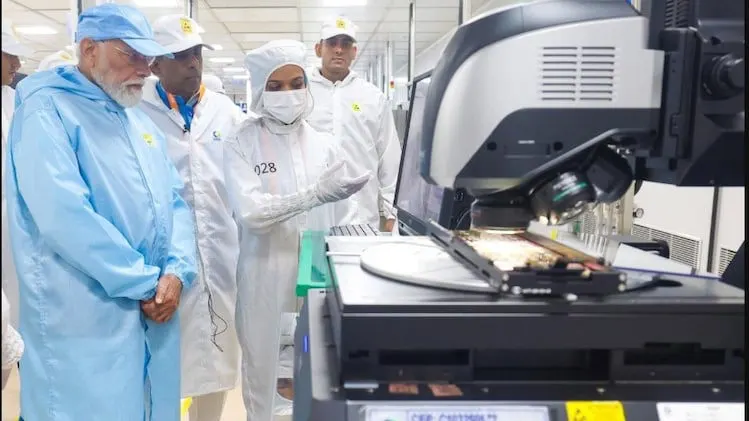
There is a particular kind of moment in a country's industrial history that feels small on the day it happens and enormous a decade later. Watching Prime Minister Narendra Modi walk through a chip facility in Gujarat this week felt exactly like that. The CG Semi semiconductor plant in Sanand is not just another factory opening. It is, quite literally, the moment India started shipping its own semiconductor chips.
Let that sit for a second. Chips. The tiny components inside every phone, every car, every laptop you own. India has talked about making them for years. Now it actually has.
Why This Actually Matters
Here is the thing most headlines skip. Global chip supply has been fragile for years, concentrated heavily in Taiwan and a handful of other hubs. Any disruption there, and entire industries stall, phones, cars, appliances, everything. A country that can assemble and test even part of that supply chain domestically is buying itself real insurance.
That is precisely what the CG Semi OSAT facility does. OSAT stands for Outsourced Semiconductor Assembly and Test, basically the stage where raw chips get packaged and tested before they go into your devices. It is not the most glamorous part of chipmaking, but it is essential, and until now, India had almost none of this capacity at commercial scale.
What an OSAT Plant Really Is, Explained Simply
Think of it like a bakery that does not grow the wheat but bakes, packages, and quality checks the bread before it reaches your table. The raw semiconductor wafer is made elsewhere, but the CG Semi plant in Sanand takes that wafer, assembles it into a finished, usable chip, and tests it rigorously before it ships out.
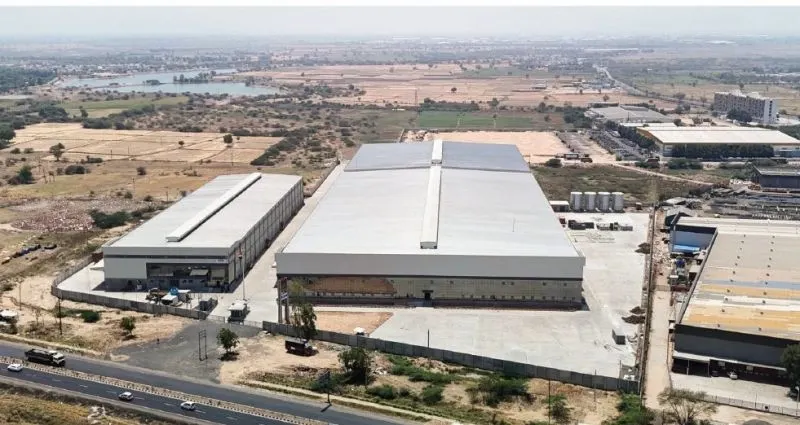
The Sanand facility, built at a cost of around Rs 7,600 crore, has already started commercial production, with reports indicating an initial target of around 200 million chips, and executives at CG Power stating an eventual daily capacity goal of 16 million chips. Some reports put the annual target closer to 300 million units once fully ramped up. Either way, the scale is not a pilot project, it is meant to run.
Read More: Japanese Yen Falls to Weakest Level Against Dollar Since 1986, Here's What That Actually Means
How the Plant Actually Works, Step by Step
- Wafers arrive from external fabrication partners, since Sanand is an assembly and test unit, not a wafer fabrication plant.
- Each chip goes through precision assembly, where it is packaged into the format that electronics manufacturers require.
- Automated and manual testing stages check for defects, since even a tiny flaw at this stage can fail an entire device later.
- Qualified chips are then prepared for export, with reports confirming shipments planned to Japan, the United States, and Europe.
- The facility is also working toward what industry calls G1 qualification, a formal quality benchmark, within roughly 24 months of starting operations.
Real World Impact You Can Actually See
This is where it stops being abstract. The plant is expected to create over 50,000 job opportunities, many for engineers who trained specifically for this moment, and reports have highlighted young women and workers from tribal communities in Gujarat now working directly on chip assembly lines. That detail matters more than it might first appear, since it shows the India Semiconductor Mission reaching well beyond metro tech hubs.
Financially, the momentum is visible too. Shares of CG Power, along with Kaynes and Moschip, have moved on news that the government cleared a fresh Rs 1.25 lakh crore boost under Semiconductor Mission 2.0, part of a broader push that has already approved a dozen semiconductor manufacturing projects worth close to 17 billion dollars.
Read More: HDFC Bank Appoints Rajiv Kumar as Part-Time Chairman, Ending a Months-Long Governance Search
Mistakes People Keep Making About India's Chip Story
A common one is assuming this means India can now make chips entirely from scratch, start to finish. It cannot, not yet. Sanand assembles and tests, it does not fabricate raw wafers. That distinction matters, and skipping it leads to overblown claims that eventually disappoint people.
Another mistake, understandably human, is dismissing OSAT work as less important than fabrication. It is not lesser, it is a different, equally critical link in the same chain, and without it, even fabricated chips cannot reach a finished device.
Pro Tips for Anyone Following India's Chip Manufacturing Journey
If you want to actually track this story rather than just react to headlines, follow the Ministry of Electronics updates directly rather than secondhand summaries. Watch for the next milestone, five semiconductor plants are expected to be operational across India by the end of 2026, which will tell you far more about real progress than any single inauguration event.
Closing Thoughts
There was a lighter moment during the inauguration, Modi's now widely shared "sunte ho na Binod" remark that had the audience laughing, and somehow that small human detail sits comfortably next to the weight of what was actually being announced. A country that once imported nearly everything electronic is now, quietly and steadily, learning to build a small but critical piece of the chain itself. Chip by chip, as one report put it, and that phrase feels earned rather than clever.
Read More: Awarapan 2 Teaser Out: Emraan Hashmi Returns As Shivam Pandit After 19 Long Years
FAQs
What does the CG Semi semiconductor plant in Sanand actually produce?
It assembles and tests semiconductor chips through an OSAT process, rather than manufacturing raw silicon wafers from scratch.
How many jobs will the Sanand plant create?
Estimates suggest over 50,000 job opportunities connected to this and related semiconductor projects in Gujarat.
Where will the chips from this plant be exported?
Reports confirm planned exports to Japan, the United States, and Europe, alongside domestic supply.
What is the India Semiconductor Mission?
It is a government initiative supporting chip manufacturing and assembly projects across India, recently boosted with a Rs 1.25 lakh crore allocation under its second phase.
Is Sanand India's only semiconductor facility?
No. Multiple plants are in progress nationwide, with around five expected to be operational by the end of 2026.
Why does Make in India electronics matter for ordinary consumers?
Domestic chip assembly can reduce dependence on global supply chains, potentially easing shortages that affect phones, vehicles, and everyday electronics.