Congress Defies Trump: Why the House Ukraine Aid and Russia Sanctions Bill Is a Turning Point in U.S. Foreign Policy
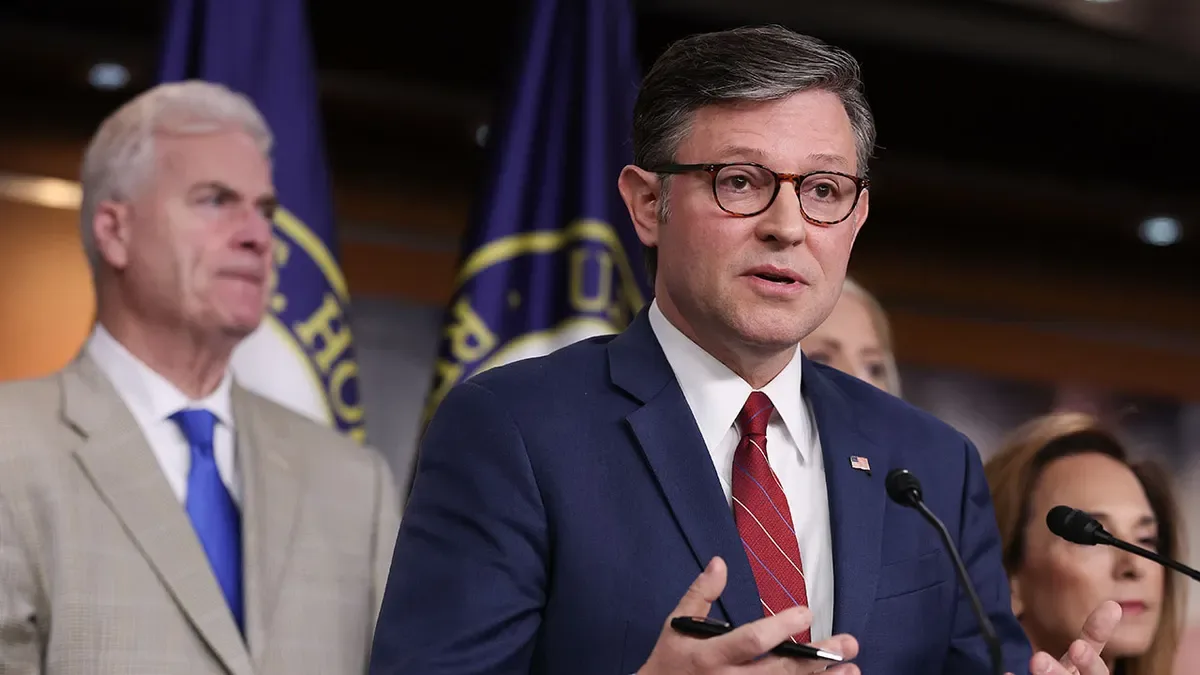
The U.S. House of Representatives just did something that very few people expected it passed a Ukraine aid and Russia sanctions bill despite fierce opposition from the Republican leadership and President Donald Trump. Not quietly either. With 18 House Republicans crossing party lines to vote alongside Democrats, the chamber approved what is now being called the Ukraine Support Act, sending a rare, unmistakable signal to the White House that Congress still has a mind of its own on foreign policy.
This is the second time in roughly a week that the House has broken with Trump on a major issue. That detail alone is worth sitting with for a moment.
Why the House Ukraine Aid Bill Matters Right Now
The war in Ukraine has been grinding on for over three years. Western support weapons, money, intelligence has been the backbone keeping Kyiv in the fight. But since Trump returned to office, that support has grown uncertain. His administration has been openly skeptical of continued U.S. involvement, and top House Republican leaders were not going to bring this bill to the floor on their own.
So how did it pass? A group of House members used a procedural tool called a "discharge petition" to force the vote, bypassing leadership entirely. That almost never happens. It is messy, slow, politically costly for those who sign it and yet they did it anyway.
The message being sent is not subtle: a growing number of lawmakers, including Republicans, believe the United States cannot simply walk away from Ukraine while an active war continues.
What the Ukraine Support Act Actually Contains
Here is what the bill does, in plain terms.
The legislation provides fresh military and security aid to Ukraine reports suggest figures in the range of $1.3 billion to $8 billion depending on which specific components are counted, with Digital Journal reporting the U.S. could be taking steps toward up to $40 billion in total authorizations. The exact final number still depends on Senate action and any conference process.
Alongside the Ukraine military aid, the bill includes new Russia sanctions. These are designed to increase economic pressure on Moscow, targeting Russian goods and financial interests. AzerNews reported that the bill includes plans for duties on Russian imports, which would mark a significant economic escalation beyond previous sanctions packages.
The bill also reflects congressional frustration with what multiple lawmakers described as Trump's reluctance to maintain a firm line against Moscow. Several Republicans who voted yes were explicit about this they see the bill as a correction, not a rebellion.
The Republican Split Explained Simply
Imagine a company where the board has one policy, but a group of senior managers believe that policy is going to cause serious long-term damage. So they go around the board and call a shareholder vote directly.
That is essentially what happened here. Republican House members who backed the bill were not acting randomly. Many of them represent districts where defense contractors operate, where NATO allies are watched closely, or where voters still hold a traditional view of America's role as a counterweight to Russian aggression.
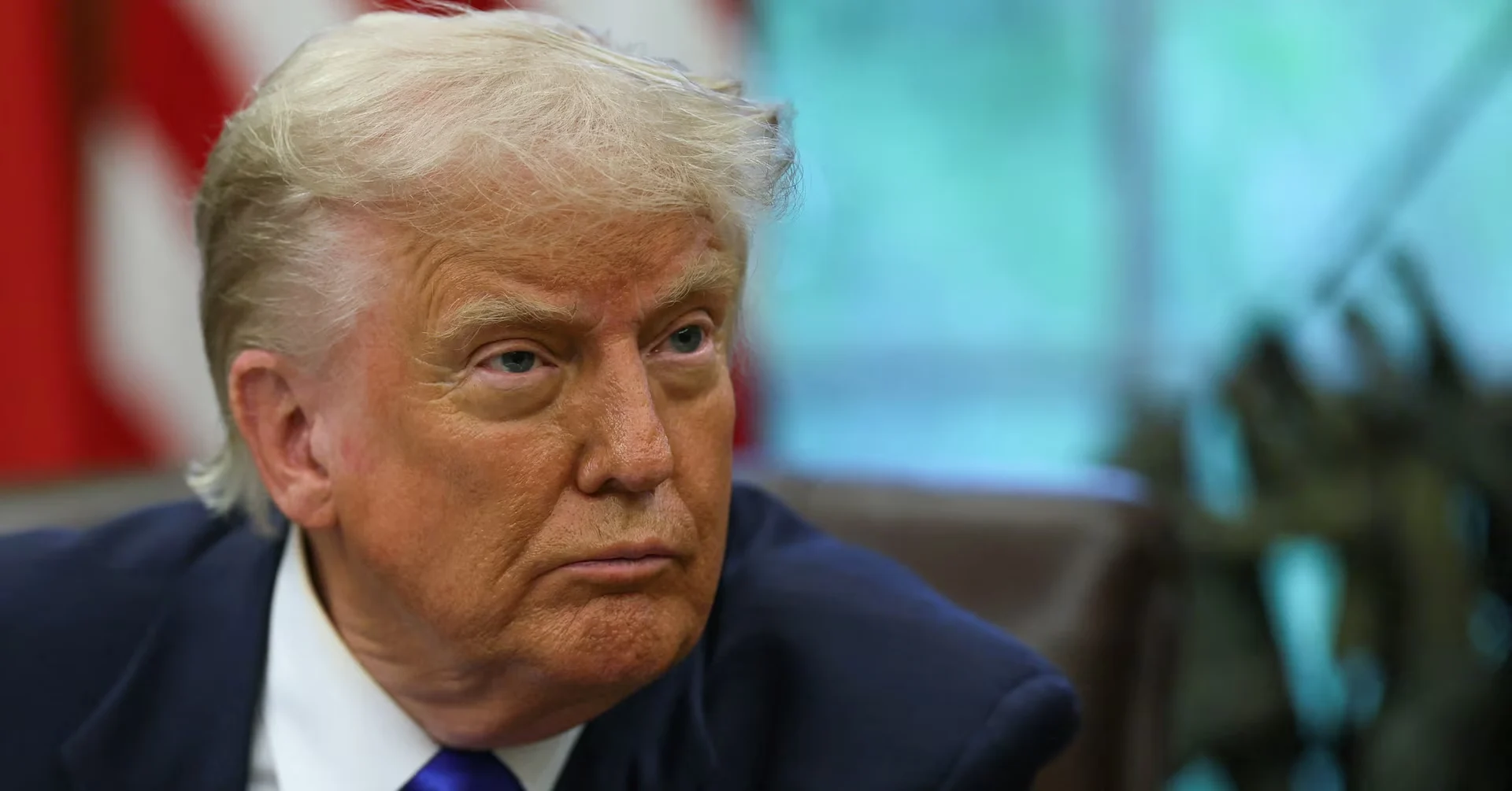
The 18 Republicans who voted yes defied both Trump and Speaker Mike Johnson, who had been holding the bill back. The bipartisan Ukraine vote passed because enough members on both sides decided that the foreign policy stakes outweighed the political cost of crossing their own leaders.
Read More: DK Shivakumar Sworn In as Karnataka Chief Minister: The Long Wait Is Finally Over
What Happens Next — The Senate Hurdle
The bill passing the House is significant but not the finish line.
Now it goes to the Senate. Senate Majority Leader John Thune has not yet committed to bringing it to a vote, and the White House has signaled Trump could veto it if it reaches his desk. So the realistic path forward involves either Senate passage with enough votes to survive a veto threat, or the bill serving as political pressure on the administration to shift its position.
Either way, it changes the conversation. Congress has now placed itself visibly on record. That has value even if the bill stalls in the Senate.
What This Means for Ukraine
For Kyiv, the passage of the House Ukraine aid package is meaningful even before a single dollar is disbursed. It signals that U.S. legislative support for Ukraine has not collapsed, despite the uncertainty created by Trump's foreign policy posture.
Ukrainian officials have been watching U.S. politics closely. President Zelensky has been actively seeking diplomatic openings, including an offer to meet Putin directly. The House vote gives Ukraine something it badly needs: visible proof that not everyone in Washington has moved on.
The Russia-Ukraine war is now in a phase where diplomatic and political signals carry weight alongside military ones. A congressional vote of this kind, however uncertain its legislative future, reassures European allies and complicates Moscow's calculations.
Read More: Praggnanandhaa Beats Magnus Carlsen Twice at Norway Chess 2026: What Just Happened Is Historic
Common Misconceptions About This Bill
People sometimes assume that because Trump opposes something, it automatically fails. But the U.S. Congress has independent constitutional authority over legislation, and this vote is a reminder of that.
Others assume that bipartisan support means the bill is popular across the country. It does not. Public opinion on Ukraine war funding remains divided in the U.S., with a significant portion of the Republican base skeptical of continued assistance. The lawmakers who voted yes made a calculation that longer-term security interests outweigh short-term political friction.
And some assume that sanctions alone will change Russian behavior quickly. History suggests otherwise. Russia sanctions legislation works slowly, through accumulated economic pressure over months and years, not overnight.
What to Watch Going Forward
The Senate vote timeline is the most immediate thing to follow. If Senate Democrats and a handful of Republicans push for a floor vote, it will reveal how deep the bipartisan coalition actually runs. The White House's response will also be telling whether Trump signals a veto, seeks a compromise, or simply stays quiet says something about where this administration sees its leverage.
Keep an eye on European reactions too. NATO allies have been recalibrating their own defense spending and Ukraine support strategies in response to U.S. uncertainty. This House vote will be seen in Berlin, Paris, Warsaw, and Kyiv as a meaningful data point.
The larger story here is not just about Ukraine. It is about whether Congress, as an institution, still acts as a check on executive foreign policy. This vote suggests: yes, sometimes, when enough members decide the stakes are too high.
Read More: The Cockroach Janta Party: India's Gen Z Turned Humiliation Into a Political Warning Shot
Disclaimer: This article is based on information available across the web. Parchar Manch does not take responsibility for its complete accuracy, as the content could not be fully verified.
FAQs
What is the Ukraine Support Act?
It is a bill passed by the U.S. House of Representatives that provides military and security aid to Ukraine and imposes new economic sanctions on Russia. It passed despite opposition from President Trump and Republican House leadership.
How many Republicans voted for the Ukraine aid bill?
18 House Republicans crossed party lines and voted in favor of the bill alongside Democrats, which provided the margin needed for passage.
Will the bill become law?
Not automatically. It must pass the Senate and be signed by the president. Trump has signaled opposition and could veto it, making its path uncertain.
What kind of sanctions does the bill impose on Russia?
The legislation targets Russian goods and financial interests, with provisions for duties on Russian imports, designed to increase economic pressure on Moscow.
Why did House Republicans break with Trump on this vote?
Many cited long-term U.S. security interests, concern about abandoning a wartime ally, and frustration with what they viewed as the administration's overly conciliatory stance toward Russia.
What does this mean for the Russia-Ukraine war?
It signals continued legislative support for Ukraine and complicates diplomatic calculations for Moscow, even if the bill's final legislative status remains unclear.