Delhi High Court Police Force Allegations: What The CJP Protest Case Is Really About
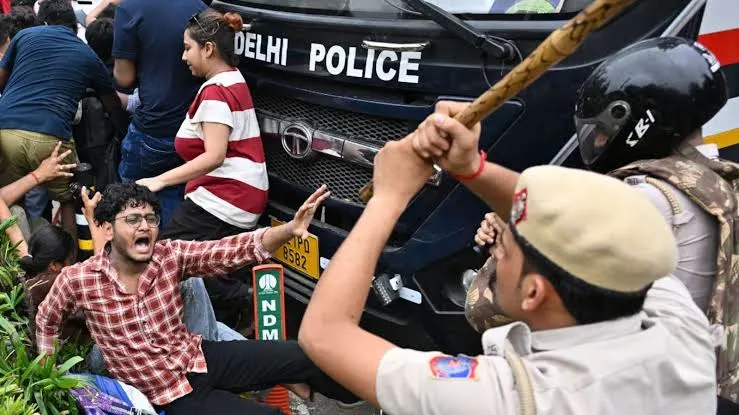
A court that says "don't drag us into this" one day, then agrees to hear the matter the very next, urgently. That contradiction alone tells you something about how messy this week has been in Delhi. The story at the center of it: Delhi High Court police force allegations arising from the Cockroach Janta Party's (CJP) "Sansad Chalo" march, and a petition accusing Delhi Police of using excessive force against student protesters trying to reach Parliament.
If you've only caught fragments of this on your feed, here's the full picture, laid out plainly.
Why This Actually Matters
Because it isn't really about one protest. It's about what happens when citizens believe police overstepped, and whether the courts will actually look at it or wave it away. That question comes up again and again in India, and each time, the answer shapes how much people trust that grievances against the state get heard. This particular case also folds in a well known face, activist Sonam Wangchuk, which is part of why it caught so much attention so fast.
What This Case Actually Is
Strip away the legal language and it's simple. On July 21, 2026, a lawyer tried to get an urgent hearing for a writ petition alleging police brutality during Monday's protest march. Thousands of students had joined the CJP's push toward Parliament, demanding Education Minister Dharmendra Pradhan's resignation over the long running NEET paper leak controversy. The march didn't reach Parliament. Delhi Police stopped it, allegedly using a lathi charge and tear gas, and the petition says several protesters were injured in the process.
Think of a writ petition like a formal request asking the court to step in and check whether a public authority, here, the police, acted within its legal limits. That's really all it is underneath the procedure.
The Chief Justice, D K Upadhyaya, initially wasn't having it. "Don't drag court into all this," he told the petitioner's counsel when it was mentioned for urgent listing, and pushed it to the next day instead.
How It Played Out — Step By Step
- July 21: Oral mentioning for urgent listing. Chief Justice Upadhyaya declines, says the court shouldn't be pulled into every protest-related dispute, tells the petitioner it will come up the following day.
- July 22, morning: The court reverses course somewhat and agrees to list the matter urgently, the same day, after lunch.
- July 22, afternoon: The bench hears the plea, along with a connected petition about the alleged forcible removal of Sonam Wangchuk from Jantar Mantar on July 18, where he was reportedly taken to Safdarjung Hospital.
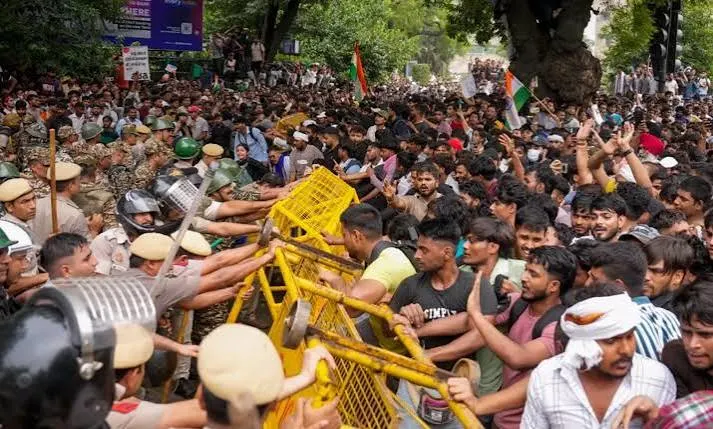
- Court's response: The bench noted that Wangchuk's wife had already pursued a separate legal petition over the same incident, which had been disposed of a day earlier. As for demands to register an FIR (a formal police complaint that opens an investigation) and set up a Special Investigation Team, the court told the petitioner that route requires first filing a complaint, something that hadn't been done. Straight to a PIL, skipping that step, wasn't the way, in the court's view.
- Outcome: The bench dismissed the petition, without ruling on the underlying merits of anyone's claims, and left the door open for the petitioner to pursue proper legal remedies, like actually filing that complaint first.
So, no verdict on whether force was excessive. Just a procedural door closing, with another one pointed to instead.
Real-World Example: Why "File A Complaint First" Matters
Here's where it gets genuinely useful to understand, if you're not a lawyer. Say you believe police used more force than necessary somewhere. Under the newer criminal code (BNSS, which replaced the old CrPC), lodging a complaint first triggers a preliminary inquiry before it's escalated into a full FIR. Jumping straight to a PIL, asking the High Court to skip that entire process and order an SIT immediately, is often seen by courts as premature. That's essentially what happened here. It's less "the court doesn't care" and more "you haven't tried the door that's actually meant for this."
Mistakes People Keep Making With Cases Like This
The biggest one: assuming a dismissed petition means the court ruled the police acted properly. It didn't. The bench was explicit that no observations were made on merits. People conflate procedural dismissal with a verdict, and that confusion spreads fast on social media, sometimes faster than the actual order.
Another common one: expecting instant SIT formation from a PIL alone. Courts generally want an FIR on record first, some kind of documented complaint, before appointing an independent investigation team. Skipping that step almost never works, however urgent the underlying issue feels.
Pro Tips If You're Following This Case
If you want to actually track where this goes, watch for whether the petitioner files that formal complaint the court pointed toward. That's the real next step, not another PIL. Also worth watching: whether Delhi Police's own account, that force was used only after protesters turned violent with stone-pelting, gets tested against independent evidence, since right now it's one side's claim against another's.
Closing Thoughts
There's a rhythm to these things. A protest turns tense, allegations fly in both directions, someone runs to court, and the court, more often than people expect, hands the question back to slower, procedural channels. It can feel unsatisfying if you wanted a clear answer today. But it's also just how accountability tends to work here, one filing at a time, not one headline at a time.
Read more: Sonam Wangchuk Hunger Strike: Why a 59-Year-Old Engineer Is Risking His Life at Jantar Mantar
FAQs
What is the Delhi High Court police force allegations case actually about?
A petition alleging Delhi Police used excessive force, lathi charge and tear gas, against protesters during the CJP's Sansad Chalo march toward Parliament on July 21, 2026.
Did the court rule that police acted wrongly?
No. The petition was dismissed on procedural grounds, without any finding on the merits of the excessive force allegations.
What happened with the Sonam Wangchuk petition?
It was heard alongside the main case but found to overlap with an earlier petition filed by his wife, which had already been disposed of.
What does Delhi Police say happened?
Delhi Police maintains force was used only after sections of the crowd turned violent, alleging stone-pelting and vandalism during the march.
Can the petitioner still pursue this legally?
Yes. The court left it open for the petitioner to file a proper complaint and pursue remedies available under law.