
Sonam Wangchuk's Hunger Strike Just Crossed a Dangerous Line, Here Is the Full Picture
He has lost close to nine kilograms. Nine. And he is still refusing to eat.
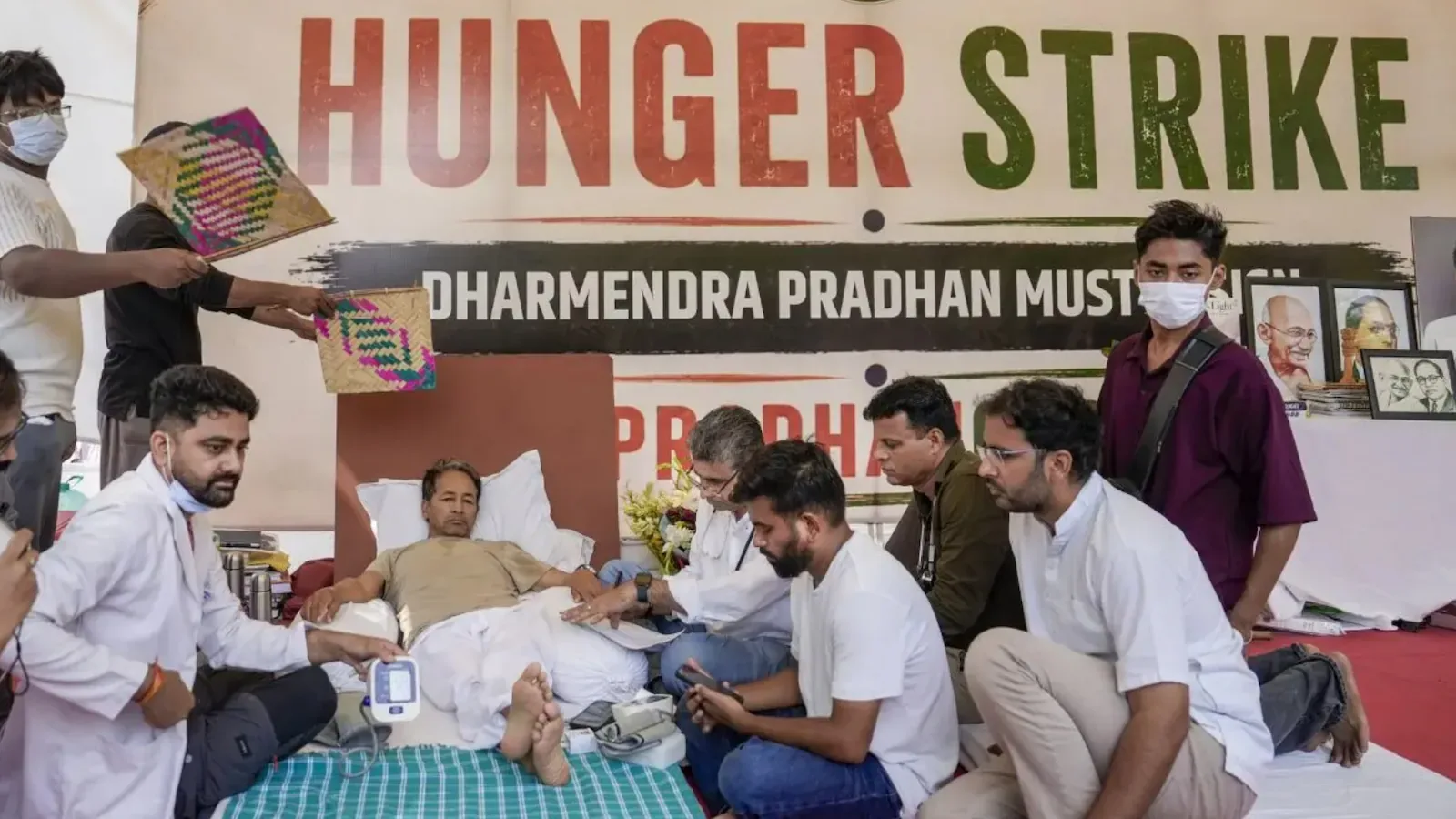
That is where Sonam Wangchuk's hunger strike stands right now, deep into its nineteenth day at Jantar Mantar in New Delhi, with doctors describing his condition in careful, clinical language while a court petition warns that he may not survive much longer if this continues. It is the kind of story that keeps updating hour by hour, and honestly, it is worth slowing down and understanding properly, not just skimming the headlines.
Why Sonam Wangchuk's Hunger Strike Matters Right Now
Here is the part that tends to get lost in the noise. This is not simply about one well known activist's health, though that alone would be reason enough to pay attention. It is tied to something that has quietly shaken families across India, alleged irregularities in the National Eligibility cum Entrance Test, or NEET, and a broader demand for accountability in how India runs its examination system.
Wangchuk began fasting on June 28, in solidarity with the Cockroach Janta Party, a youth led movement whose founder has been staging a sit in at Jantar Mantar demanding the resignation of Union Education Minister Dharmendra Pradhan over the exam controversy. When a recognisable public figure puts his body on the line for a cause like this, it forces the country to pay attention in a way that press releases and parliamentary debates rarely manage.
Read More: Alia Bhatt Alpha Spy Thriller Finally Hits Theatres, But the Numbers Tell a Complicated Story
What an Indefinite Hunger Strike Really Means
If you have never followed one of these protests closely, here is the simplest way to think about it. An indefinite hunger strike is not a symbolic one day fast. There is no set end date. The person continues refusing food until either their demands are met, their health forces a stop, or, in the most serious cases, until death. It is a slow, deliberate form of pressure, the kind that works precisely because it puts the protester's own survival on the line as leverage.
By day 19, reports put Wangchuk's weight at 57.15 kilograms, down roughly 8.9 kilograms since he began. Doctors monitoring him say his hydration levels remain acceptable and that he stays conscious and mentally alert, but they have stressed the need for continuous observation. That combination, alert but weakening, is exactly the tightrope that makes prolonged fasting so medically dangerous past this point.
Read More: Vera C. Rubin Observatory 10-Year Survey Just Started, and It's Basically Filming the Universe Live
How the Protest and Legal Battle Have Unfolded
- June 28: Wangchuk starts his indefinite hunger strike at Jantar Mantar, joining the CJP's existing sit in.
- Early July: The protest gains national attention as Wangchuk's health visibly declines, with CJP posting updates about his deteriorating condition.
- July 14: He crosses the 17th day, with opposition leaders including Akhilesh Yadav publicly urging him to end the fast, calling his life invaluable to the country.
- Mid July: A plea is filed before the Delhi High Court warning that Wangchuk may not survive more than two days if the fast continues, prompting judicial concern.
- Wangchuk himself dismisses the direst warnings, stating that his medical tests during the fast have largely returned normal results.
- July 20 target: CJP supporters say Wangchuk continues to prepare volunteers for a planned march toward Parliament, suggesting no immediate plan to withdraw.
Real World Examples From Wangchuk's Own History
This is far from Wangchuk's first extended fast, and looking at his past protests tells you something about how this one might play out. In 2024, he sat through a 21 day hunger strike in sub zero Ladakh temperatures demanding Sixth Schedule status and statehood, ending it only after a massive public gathering, and even then he made clear the underlying fight was not over. A separate 2025 fast in Leh had to be called off after 15 days when the movement turned violent, with arson and clashes breaking out around him.
The pattern across these protests is fairly consistent: prolonged fasting generates enormous sympathy and media coverage, sometimes even judicial intervention, but rarely an immediate government concession. Whether Sonam Wangchuk's hunger strike this time ends differently may depend less on his own resolve and more on whether the Delhi High Court petition forces official action first.
Mistakes People Keep Making While Following This Story
A frequent mistake is assuming a court petition automatically means the government will step in to end the fast. It does not work that way. Courts can express concern and even direct medical intervention, but they generally cannot force a mentally competent adult to eat against his will, that tension between legal concern and personal autonomy is exactly what is playing out here.
Another common error is treating this current protest as identical to Wangchuk's earlier Ladakh campaigns. They share the same person and the same method, but the underlying demand here, accountability for alleged NEET irregularities and Pradhan's resignation, is a completely separate issue from statehood or Sixth Schedule status.
Pro Tips for Following This Responsibly
Track the daily medical bulletins rather than social media reactions if you want an accurate sense of his condition, since hydration levels and consciousness status change faster than political statements do. Pay close attention to the Delhi High Court proceedings too, since any directive from the court is likely to shape what happens next more directly than public appeals from opposition leaders. And if you are emotionally invested in this story, remember that health updates during an ongoing hunger strike can shift quickly, so avoid drawing firm conclusions from any single day's report.
Closing Thoughts
There is something genuinely unsettling about watching a person's weight, hydration, and consciousness get tracked publicly, day after day, because a government minister has not resigned. Whatever you believe about the underlying politics, the human cost of Sonam Wangchuk's hunger strike is now measurable in kilograms lost and days survived, and that is not a comfortable thing to sit with. Whether this ends in a resignation, a court ordered intervention, or simple exhaustion, the coming days at Jantar Mantar are likely to decide it.
Read More: Alpha Box Office Collection: Why Alia Bhatt's Spy Thriller Is Splitting Opinion Right Down the Middle
Disclaimer: This article is based on information available across the web. Parchar Manch does not take responsibility for its complete accuracy, as the content could not be fully verified.
FAQs
How long has Sonam Wangchuk been on hunger strike?
He began fasting on June 28, 2026, and has now crossed 19 days at Jantar Mantar in New Delhi.
What is he demanding?
He is fasting in solidarity with the Cockroach Janta Party's demand that Education Minister Dharmendra Pradhan resign over alleged NEET irregularities and broader exam system reforms.
How is his health right now?
As of day 19, his weight had dropped to 57.15 kilograms, a loss of roughly 8.9 kilograms since the fast began, though doctors say he remains conscious and mentally alert.
Has a court gotten involved?
Yes, a plea was filed before the Delhi High Court warning he may not survive more than two days if the fast continued, though Wangchuk has disputed the severity of that warning.
Is this connected to his earlier Ladakh protests?
No, this fast is focused entirely on NEET related accountability and the education minister's resignation, separate from his previous Ladakh statehood campaigns.
What happens next?
Supporters say Wangchuk is preparing for a planned march to Parliament around July 20, suggesting the protest is likely to continue rather than end soon.