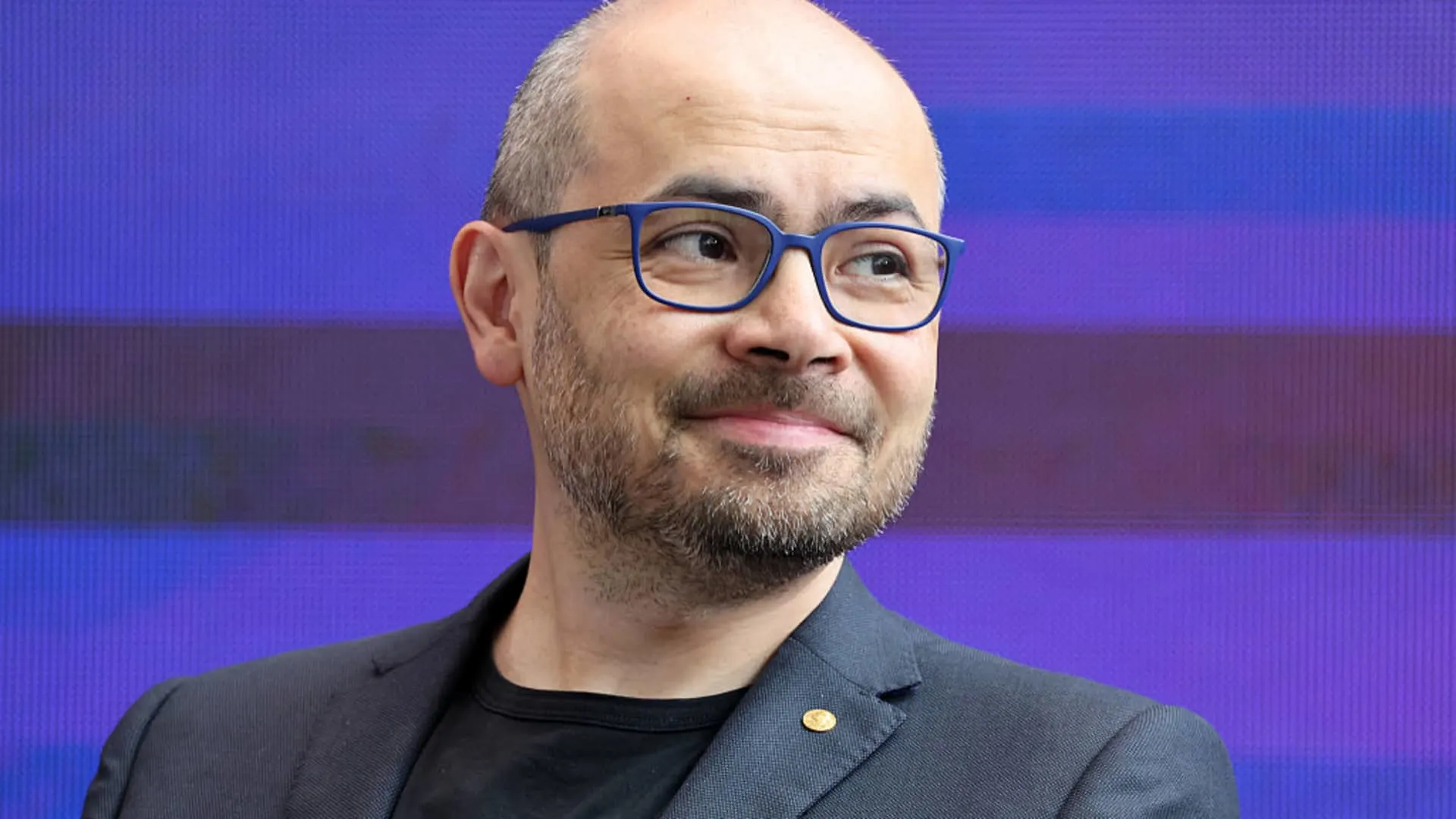
Demis Hassabis Proposes AI Standards Body: Why Google DeepMind's CEO Wants a FINRA for Artificial Intelligence
A Nobel laureate published an essay on X this week, and within hours, it had reshaped the conversation around how the world's most powerful AI models should be tested before anyone gets to use them. That's not hyperbole, that's just what happens when Demis Hassabis writes something. The Google DeepMind CEO's proposal, titled "A Framework for Frontier AI and the Dawning of a New Age," lays out a specific, structured plan. And the headline detail is this: Demis Hassabis proposes AI standards body modeled after a regulator most people have never heard of, one that already polices Wall Street.
If you're not deep in AI policy circles, stick with me. This one's worth understanding, because it could shape how the next generation of AI models actually reaches you.
Why This Actually Matters
Here's the honest stakes. Hassabis argues that artificial general intelligence, AI capable of matching or exceeding human performance across most cognitive tasks, is probably only a few years away. That's not a fringe opinion from someone unfamiliar with the field, this is the CEO of one of the labs actually building these systems saying urgent action is needed now, not later.
He specifically pointed to challenges frontier models already pose for cybersecurity, and warned that risks tied to nuclear and biological threats may soon emerge as these systems grow more capable. For anyone using AI tools daily, or anyone simply living in a world where these systems increasingly touch infrastructure, security, and decision-making, that's not an abstract concern. It's the difference between AI development happening with genuine safety checks or racing forward on competitive pressure alone.
What This AI Standards Body Really Is, Explained Simply
Here's the analogy Hassabis himself reached for. Think of FINRA, the Financial Industry Regulatory Authority, the private, industry-funded organization that actually polices Wall Street brokerage firms under Securities and Exchange Commission oversight. Nobody elected FINRA, but it still holds real authority because the financial industry funds it, staffs it with genuine experts, and answers to federal regulators.
Hassabis wants something structurally similar for AI. Not a government agency built from scratch, but a federally overseen public-private partnership, funded by industry, staffed with independent technical experts, open-source representatives, and government officials, testing frontier models before they reach the public.
How the Proposed AI Standards Body Would Work, Step by Step
- Voluntary submission first. Frontier labs would initially share their models with the standards body voluntarily, up to 30 days before public release, for safety testing.
- Testing targets specific risk categories. The evaluations would probe dangerous capabilities in cybersecurity, biological research, and what Hassabis calls deception, meaning attempts by AI models to bypass safety guardrails or mislead evaluators.
- Best practices get built in. The framework includes measures like digitally watermarking AI-generated images and generating human-readable output tokens so evaluators can actually understand how a model reasoned through a task.
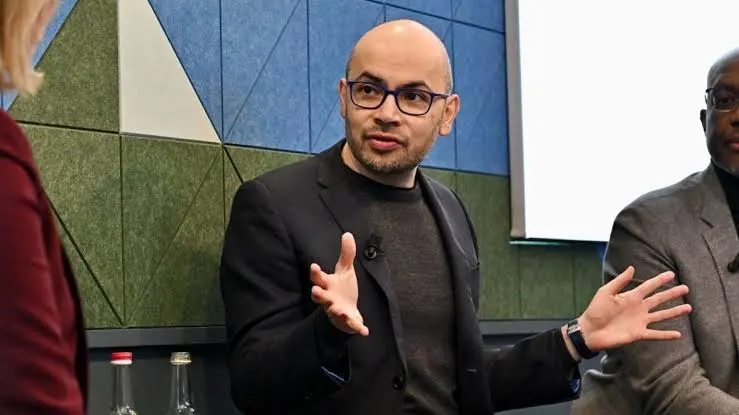
- Formalization follows if the testing regime proves itself. Once the assessment protocol is shown to be effective and robust, Hassabis argues, it could become mandatory, meaning frontier models would need to pass before deployment in the US market.
- Funding comes from industry, not government coffers. The body would need substantial funding to attract world-class technical talent and provide the compute resources necessary for large-scale testing, and that funding would likely come from AI labs themselves.
- Hassabis wants it operational fast. He told Axios he's hoping for a matter of months, ideally with the body up and running before the end of this year.
Real-World Example: This Isn't Happening in Isolation
Roughly a month before this essay, Hassabis reportedly joined Anthropic CEO Dario Amodei in urging world leaders at a closed-door G7 session in Évian-les-Bains, France, to back a US-led AI governance framework, a meeting that included President Donald Trump and other heads of state. No concrete commitments emerged from that gathering. Separately, OpenAI CEO Sam Altman has called for a similar international standards body in his own public writing.
Interestingly, not every lab leader agrees on the exact structure. While Hassabis describes broad high-level agreement across the industry that regulation needs to move forward, Amodei has reportedly called for a distinct approach, an FAA-style agency with actual power to block unsafe models outright, a meaningfully stronger enforcement mechanism than what Hassabis is proposing.
Mistakes People Keep Making When Reading This Story
A common mistake is assuming this standards body already exists or is guaranteed to launch. It isn't, and it's not. This is currently a proposal, laid out in an essay, with reported conversations happening between Hassabis and the White House, European officials, and competing AI labs. Nothing has been formally established yet.
Another mistake is conflating this with government regulation. The model Hassabis describes deliberately keeps government in an oversight role rather than direct control, more akin to how FINRA operates under SEC supervision rather than as a government agency itself. That distinction shapes how enforceable, and how fast-moving, this body could realistically be.
Pro Tips for Following This Story as It Develops
If you want to track whether this actually gains traction, watch for two specific signals: whether competing labs beyond DeepMind formally commit to voluntary submissions, since the entire framework only works if rivals accept the same evaluation standards, and whether the White House, State Department, or Department of Commerce issue any public response, since Hassabis's plan explicitly depends on federal oversight legitimizing the body's authority.
Closing Thoughts
There's something almost fitting about a scientist who won a Nobel Prize for solving one of biology's hardest puzzles now trying to solve a governance puzzle instead, one with far messier incentives and far less certain answers. Whether this particular framework becomes the actual blueprint the industry adopts, or simply one voice among several competing visions, that's a story still being written, essay by essay, meeting by meeting.
FAQs
What is Demis Hassabis proposing exactly?
He's calling for a U.S.-led AI standards body modeled on FINRA, a public-private partnership that would test frontier AI models for risks before they're deployed to the public.
When was this proposal made?
Hassabis published the proposal in an essay on X on Tuesday, July 14, 2026, titled "A Framework for Frontier AI and the Dawning of a New Age."
What risks would the standards body specifically test for?
The framework focuses on cybersecurity risks, biological research capabilities, and deceptive behavior in AI models, alongside best practices like watermarking AI-generated content.
Would participation in this standards body be mandatory?
Initially, participation would be voluntary, with frontier labs submitting models up to 30 days before release. Hassabis suggests formal mandatory compliance could follow once the testing protocol proves effective.
How does this differ from other AI regulation proposals?
Anthropic CEO Dario Amodei has reportedly called for a stronger FAA-style agency with direct power to block unsafe models, while OpenAI's Sam Altman has proposed a similar international standards body, showing industry leaders broadly agree on the need for oversight but differ on structure.
When does Hassabis want this body to launch?
He told Axios he hopes to see it operational within months, ideally before the end of 2026.