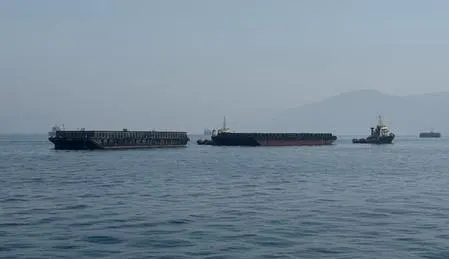
Indian Vessel Virat 1 in Oman: Why This Maritime Visit Is Getting Attention
Ships do more than carry cargo.
Sometimes, a vessel entering a foreign port becomes part of a larger story about trade, diplomacy, maritime cooperation, and regional relationships. That is why news surrounding the Indian Vessel Virat 1 in Oman has attracted interest among observers of India's growing presence in the Indian Ocean region.
At first glance, it may seem like a routine maritime development. Yet maritime visits often carry strategic significance that goes beyond the movement of a single vessel.
Why the Indian Vessel Virat 1 in Oman Matters
The sea remains one of the world's most important highways.
A large portion of global trade moves through maritime routes, and countries rely on safe, stable shipping lanes to support their economies. Oman occupies a strategically important location near some of the busiest sea routes connecting Asia, the Middle East, Africa, and Europe.
That makes any development involving the Indian Vessel Virat 1 in Oman worth understanding.
The event highlights the importance of maritime cooperation between India and Oman, two countries connected by geography, trade, and a long history of interaction across the Arabian Sea.
Read More: NLC India OFS, Vodafone Idea Rally, Airtel Relief: Three Market Stories That Defined June 9, 2026
Understanding the Bigger Picture Behind the Visit
Think of maritime diplomacy as a conversation that happens without words.
When vessels visit foreign ports, they often symbolize cooperation, trust, and ongoing engagement between nations. Such visits can support trade relationships, strengthen maritime coordination, and encourage dialogue on regional security and logistics.
India and Oman already share strong ties in commerce, energy, and people-to-people connections. Maritime interactions add another layer to that relationship.
The arrival of the Indian Vessel Virat 1 in Oman fits into this broader framework of regional engagement.
How Maritime Cooperation Works
International maritime cooperation generally follows several objectives:
• Supporting trade and shipping activities.
• Enhancing port connectivity.
• Encouraging operational coordination.
• Strengthening diplomatic engagement.
• Promoting regional stability and maritime security.
While every vessel visit may have specific operational purposes, the larger significance often lies in the relationships it reinforces.
That is why maritime developments are closely followed by policymakers and trade observers.
Read More: “Our Customers Are in America”: Why Opendoor Shut Its India Operations and Fired 250 Employees
Real-World Importance for India and Oman
The practical impact becomes clearer when viewed through trade and connectivity.
India is one of Oman's important economic partners, and maritime routes play a crucial role in facilitating commerce between the two countries. Strong port relationships and efficient shipping networks help businesses move goods more effectively.
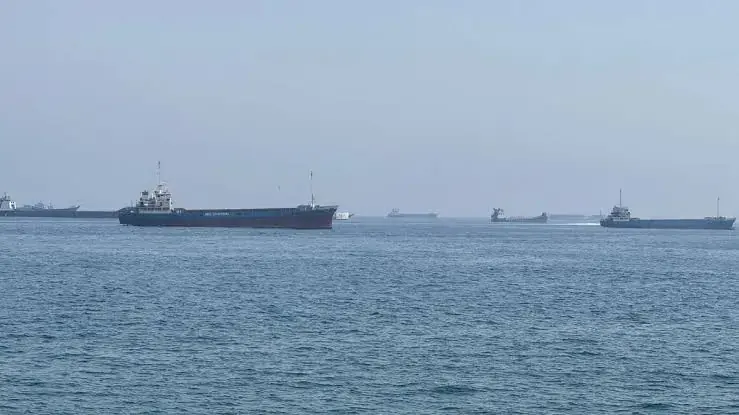
For importers, exporters, logistics operators, and shipping companies, maritime cooperation can contribute to smoother trade flows and better regional connectivity.
These benefits often happen quietly, behind the scenes, but they matter.
Common Misunderstandings About Vessel Visits
One common misconception is that every international vessel visit has a military purpose.
That is not always the case. Many visits are linked to trade, logistics, cooperation, training, goodwill engagements, or operational coordination. Maritime activities often serve multiple purposes simultaneously.
Another misunderstanding is assuming that a single vessel visit changes regional dynamics overnight.
In reality, maritime relationships are built gradually through consistent engagement and cooperation.
What Experts Will Watch Next
Observers will likely focus on what follows the visit.
Will there be stronger trade cooperation?
Could port connectivity expand?
Will maritime engagement between India and Oman deepen further?
These are the kinds of developments that reveal the long-term significance of such events.
Experts often pay more attention to the patterns than to any single visit.
A Reminder of How Connected the Region Has Become
The story of the Indian Vessel Virat 1 in Oman is ultimately about connectivity.
Ships, ports, and maritime routes may not generate daily headlines like politics or elections. Yet they help sustain economies, support trade, and strengthen international relationships.
Sometimes a vessel entering a harbor is more than a routine event. It becomes a reminder of how nations stay connected through commerce, cooperation, and shared interests across the sea.
That quiet connection may be the most important part of the story.
Read More: When Missiles Move Markets: Why Indian Stocks Fell as US-Iran Tensions Reignited
Disclaimer: This article is based on information available across the web. Parchar Manch does not take responsibility for its complete accuracy, as the content could not be fully verified.
FAQs
What is the significance of the Indian Vessel Virat 1 in Oman?
The visit highlights maritime engagement and cooperation between India and Oman while reflecting broader regional connectivity.
Why is Oman important for India?
Oman occupies a strategic location near major shipping routes and shares strong trade and diplomatic ties with India.
Does a vessel visit have diplomatic importance?
Yes. Maritime visits often symbolize cooperation, trust, and ongoing engagement between countries.
How does maritime cooperation benefit trade?
It supports efficient shipping, stronger port connectivity, and smoother movement of goods between countries.
Is the visit related only to commerce?
Not necessarily. Maritime visits can involve trade, logistics, diplomacy, training, and broader cooperation initiatives.
Why are shipping routes important for India?
A significant portion of India's international trade depends on secure and efficient maritime transportation networks.