Dengue, Malaria & Chikungunya Outbreaks: Why They Increase Every Year
The dengue malaria outbreak is no longer surprising. It feels almost expected. And that,if I am honest,is what makes it unsettling. Why does it keep happening? Why do these illnesses return again and again, especially during the rainy season?
Let us sit with this question and unpack it slowly.
Understanding Dengue, Malaria, and Chikungunya
Before we talk about the rising dengue malaria outbreak, we need to understand what these diseases are.
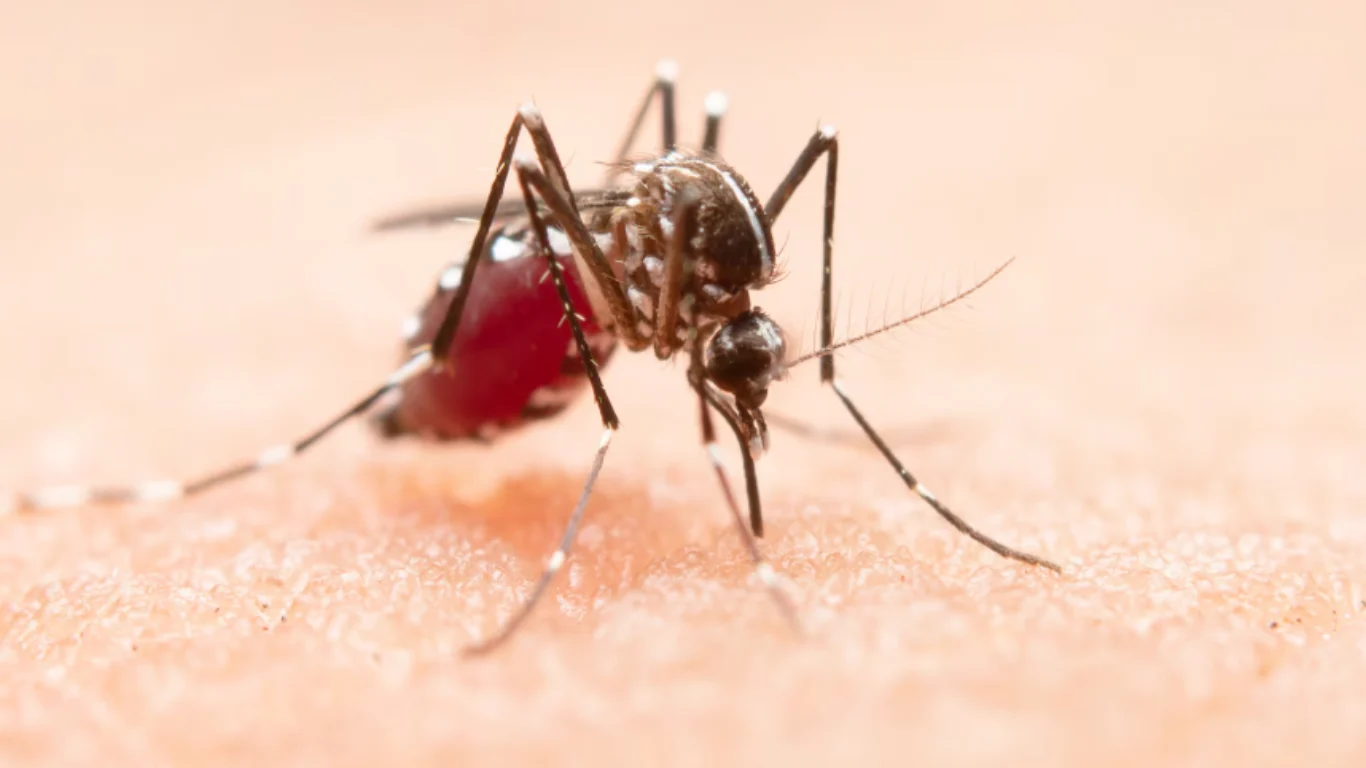
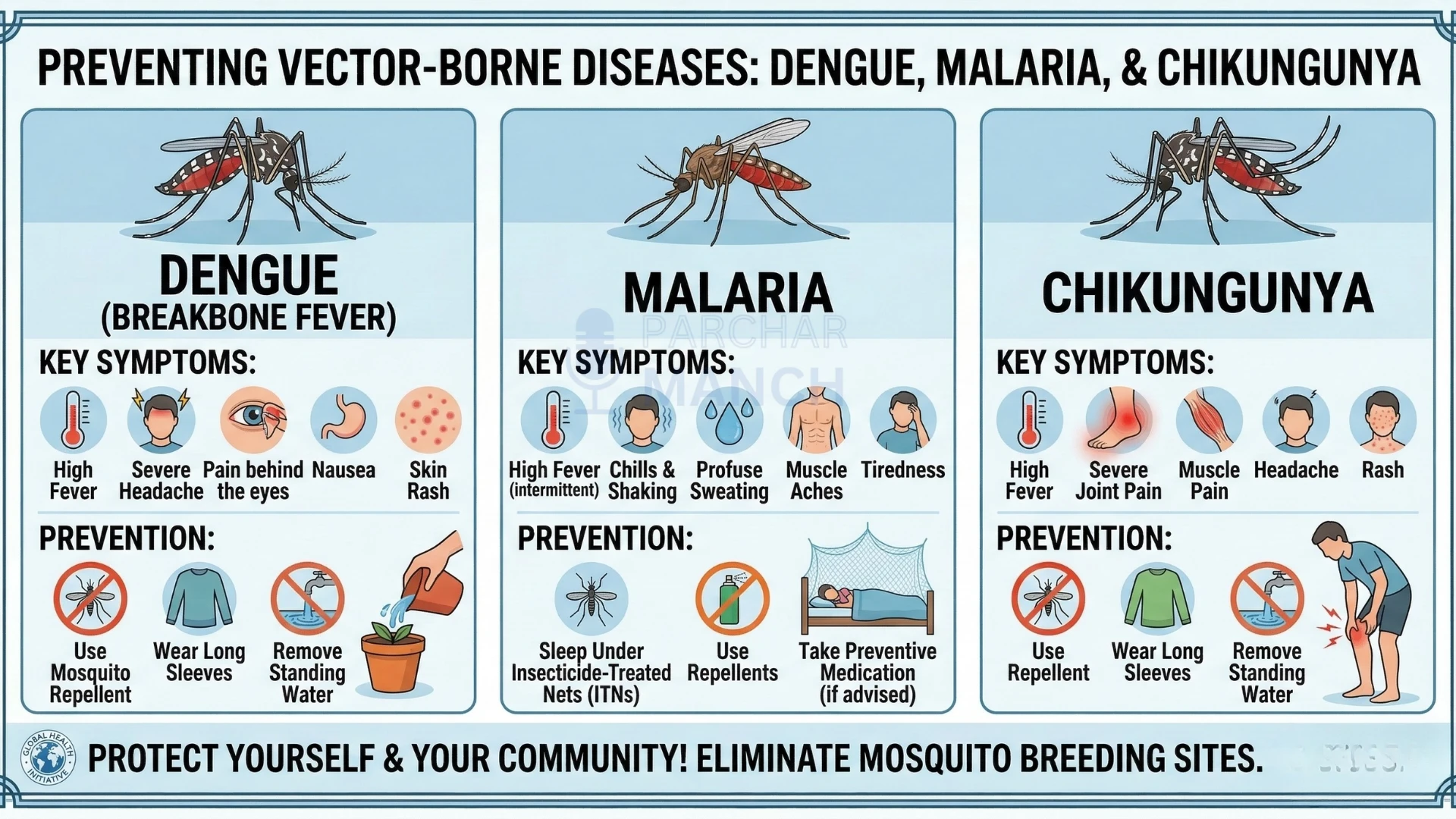
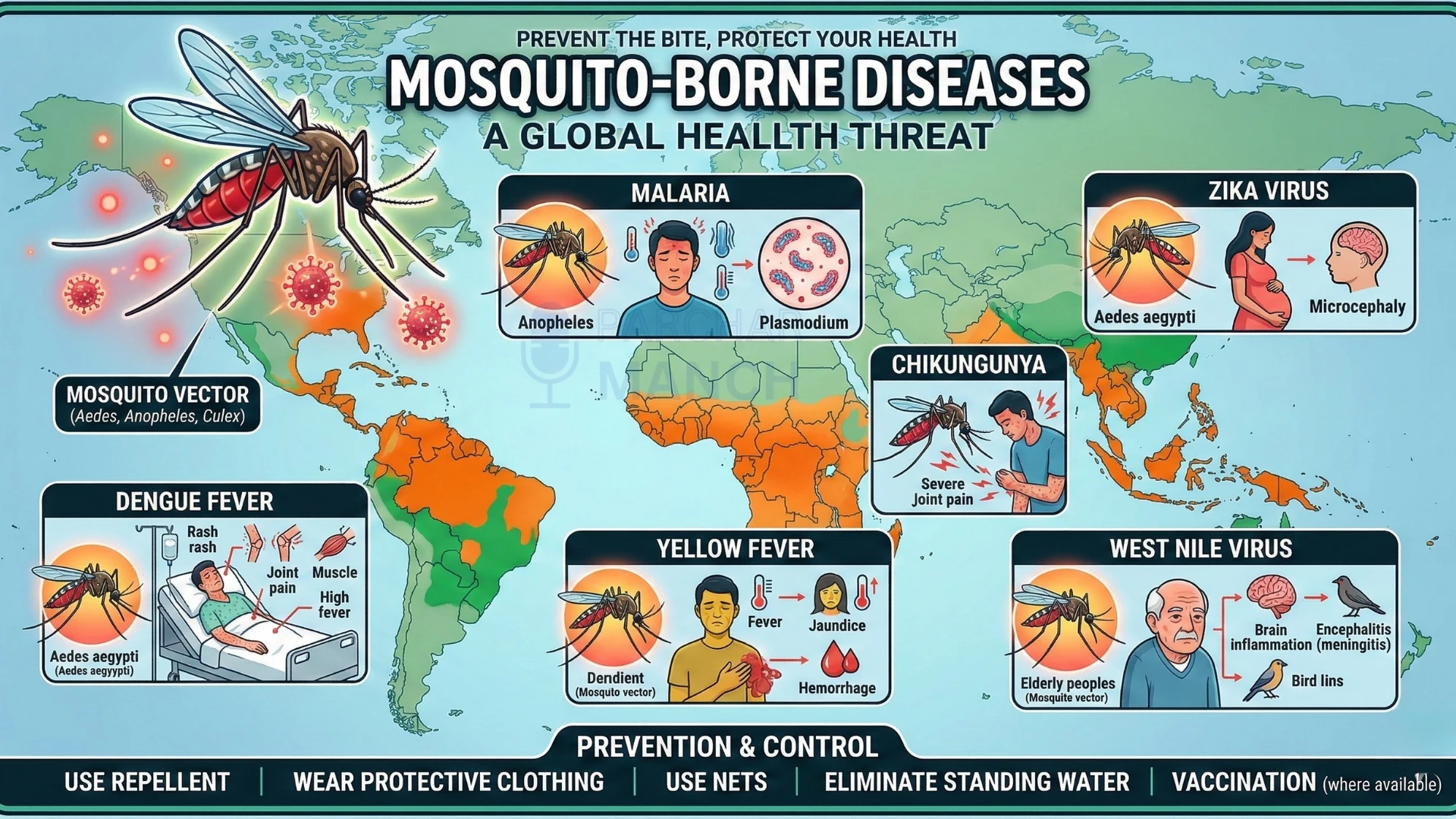
- Dengue fever is caused by a virus and spreads through the bite of an infected Aedes mosquito.
- Malaria is caused by parasites and spreads through Anopheles mosquitoes.
- Chikungunya is another viral illness spread by Aedes mosquitoes.
All three are mosquito-borne diseases. And that one fact explains a lot. Mosquitoes breed in stagnant water. A small bucket. An open tank. A discarded tyre filled with rainwater. It does not take much. A spoonful of water is sometimes enough.
And during monsoon… water is everywhere.
Why the Dengue Malaria Outbreak Is Increasing Every Year
When we look at the yearly rise in the dengue malaria outbreak, it is not random. It is connected to many factors. Some obvious. Some are uncomfortable.
1. Climate Change and Rising Temperatures
Mosquitoes love warmth. Warmer temperatures help them breed faster and live longer. Climate change has extended breeding seasons. Winters are shorter in many places. Summers are hotter.
This means longer periods for mosquito-borne diseases to spread. In countries like India, changing weather patterns have made outbreaks more frequent. The connection between heat and malaria spread reasons is becoming clearer each year.
2. Urbanisation Without Planning
Cities are expanding fast. Buildings rise. Roads stretch. But drainage systems often lag. Water collects in construction sites. Garbage piles trap rainwater. Slums and crowded colonies may not have proper sanitation. All of this supports mosquito breeding. And slowly, silently, a monsoon disease outbreak begins.
3. Population Growth and Mobility
More people now live in dense cities. More travel between regions. One infected person travels, and the virus travels with them.
This is especially visible during a dengue outbreak in India, where urban clusters see a sudden spike after festivals or seasonal travel.
Movement fuels the dengue malaria outbreak cycle.
4. Poor Waste Management
Plastic waste holds water. Broken bottles. Food containers. Discarded cups. These become tiny breeding homes. Sometimes the problem is not dramatic. It is small. Neglected. Repeated. And that repetition leads to yearly mosquito-borne disease outbreaks.
Read More: National Health Policy India: What It Means for Common Citizens
Dengue Outbreak in India: Why It Is a Major Concern
The phrase dengue outbreak in India appears in headlines almost every monsoon. It is not an exaggeration. It is a pattern. India’s climate, population density, and urban structure make it vulnerable to mosquito-borne diseases. During heavy rains, waterlogging becomes common. Public health systems try to control mosquito breeding, but the scale is vast.
The dengue outbreak in India has shown improvement in awareness campaigns. Fogging drives. Community clean-up programs. School education. But still, each year, numbers rise before they fall. It is like a cycle we have not fully broken.
Malaria Spread Reasons: What Keeps It Alive?
When thinking about the reasons for malaria spread, we must remember that malaria is slightly different from dengue and chikungunya.
It is caused by a parasite, not a virus. And it spreads through female Anopheles mosquitoes.
Key reasons for malaria spread include:
- Stagnant water in rural and semi-urban areas
- Lack of mosquito nets during sleep
- Poor housing conditions
- Inadequate access to healthcare
In some regions, drug resistance also complicates malaria treatment. The parasite adapts. It changes. And so the dengue malaria outbreak continues in waves. Sometimes it feels like malaria hides in the background while dengue grabs the headlines. But malaria remains persistent. Steady. Unforgiving.
Chikungunya Symptoms: Often Ignored at First
Now, let us talk about chikungunya symptoms.
They usually include:
- High fever
- Severe joint pain
- Muscle pain
- Rash
- Fatigue
The joint pain can last for weeks, even months. Some people describe it as deep and stubborn. Not sharp, not loud,just constant.
Because early chikungunya symptoms can look like dengue, confusion happens. Testing becomes important during a dengue malaria outbreak period.
Recognising chikungunya symptoms early helps prevent complications. It also reduces fear, because knowing what you are dealing with changes everything.
Monsoon Disease Outbreak: The Seasonal Pattern
The term monsoon disease outbreak is not just a phrase. It reflects a seasonal reality.
During monsoon:
- Water collects everywhere
- Humidity rises
- Mosquito breeding multiplies
- Immunity sometimes weakens due to changing weather
This seasonal pattern explains why the dengue malaria outbreak peaks during rainy months.
In many regions, health departments prepare before the monsoon arrives. Awareness campaigns begin. Fogging increases. Testing centres are alerted.
Yet the monsoon disease outbreak returns. Sometimes stronger. Maybe it is not just about preparation. Maybe it is about consistent prevention throughout the year.
The Role of Public Awareness in Controlling Mosquito-Borne Diseases
If there is one silent hero in controlling mosquito-borne diseases, it is awareness.
Simple habits make a difference:
- Emptying water containers weekly
- Covering water tanks
- Using mosquito repellents
- Installing window screens
- Sleeping under mosquito nets
These actions sound basic. Almost too simple. But they matter. During a dengue outbreak in India, community participation becomes critical. One household ignoring precautions can affect an entire neighbourhood.
It is not dramatic. It is collective.
Latest Updates and Current Situation (2026)
As of 2026, surveillance systems for mosquito-borne diseases have improved. Many countries use digital reporting tools. Real-time data tracking helps detect a dengue malaria outbreak earlier than before. In India and other tropical nations, government bodies have strengthened pre-monsoon action plans. Rapid diagnostic tests for malaria and dengue are more widely available. However, climate change remains a growing challenge. Warmer winters and unpredictable rainfall patterns increase the risk of a prolonged monsoon disease outbreak season.
Health experts continue to emphasise early diagnosis of chikungunya symptoms and better understanding of malaria spread reasons to break the yearly cycle.The fight is ongoing. Steady. Complex.
How to Protect Yourself and Your Family
Prevention is not complicated. But it requires consistency.
During high-risk months:
- Avoid water stagnation around your home
- Wear full-sleeved clothes
- Use mosquito coils or vaporisers
- Seek medical help for any fever lasting more than two days
- Follow government advisories
If you notice signs of a dengue malaria outbreak in your area, do not panic. Act early. Early treatment reduces complications. Especially in dengue, where a low platelet count can become serious. Awareness turns fear into action.
Conclusion
The yearly rise in dengue malaria outbreak cases is not a mystery anymore. It is a mix of climate change, urban growth, poor sanitation, and seasonal patterns. These factors quietly build the perfect environment for mosquito-borne diseases to thrive.
The repeated pattern of dengue outbreak headlines in India during the monsoon shows how deeply linked weather and health have become. Understanding malaria spread and recognising chikungunya symptoms early can save lives.
A monsoon disease outbreak is not unavoidable. It can be reduced with planning, awareness, and community effort. The truth is simple,mosquitoes may be small, but their impact is not. Prevention starts at home. Continues in communities. And strengthens through policy. If we stay alert throughout the year,not just during rainy months,the cycle of yearly outbreaks can finally begin to slow down.
Read More: Air Pollution Health Alert: How Poor Air Quality Affects Your Health
FAQs
Why does the dengue malaria outbreak increase during the monsoon every year?
The dengue malaria outbreak rises during the monsoon because stagnant water creates ideal breeding conditions for mosquitoes. Increased humidity and warm temperatures allow mosquito-borne diseases to spread faster, especially in crowded urban areas.
What are the main reasons for malaria spread in tropical countries?
Key reasons for malaria spread include stagnant water, lack of mosquito protection, and limited healthcare access. Climate conditions in tropical regions also support mosquito survival throughout the year.
How can I identify chikungunya symptoms early?
Early chikungunya symptoms include high fever and severe joint pain that may last weeks. If these symptoms appear during a dengue malaria outbreak season, medical testing is important for proper diagnosis.
Why are dengue outbreaks in India reported so frequently?
The frequent dengue outbreak reports in India are due to population density, heavy monsoon rains, and urban waterlogging. These factors increase mosquito breeding and lead to seasonal spikes in infections.
Can monsoon disease outbreak cases be prevented completely?
A monsoon disease outbreak can be reduced significantly through consistent mosquito control, community awareness, and early treatment. While complete elimination is difficult, proper precautions lower the risk greatly.