
National Health Policy India: What It Means for Common Citizens
That is where the National Health Policy India comes in. You might have heard the name, maybe in news headlines or exam preparation books. But what does it actually mean for you? For your family? For the common citizen standing in a government hospital queue at 7 a.m.?
Let us slow down and understand this in a simple, human way. No complicated words. No legal maze. Just clear thinking. Step by step.
What is the National Health Policy of India?
The National Health Policy of India is a document created by the Government of India that guides how healthcare should be planned and delivered in the country.
India has had different health policies over time , 1983, 2002, and the latest one in 2017. The most recent policy was approved by the Government of India under the leadership of Narendra Modi.
In simple words, the National Health Policy of India is like a roadmap. It explains:
- What the government wants to improve in healthcare
- How it plans to spend money
- How hospitals and services should grow
- What rights and protections should citizens have
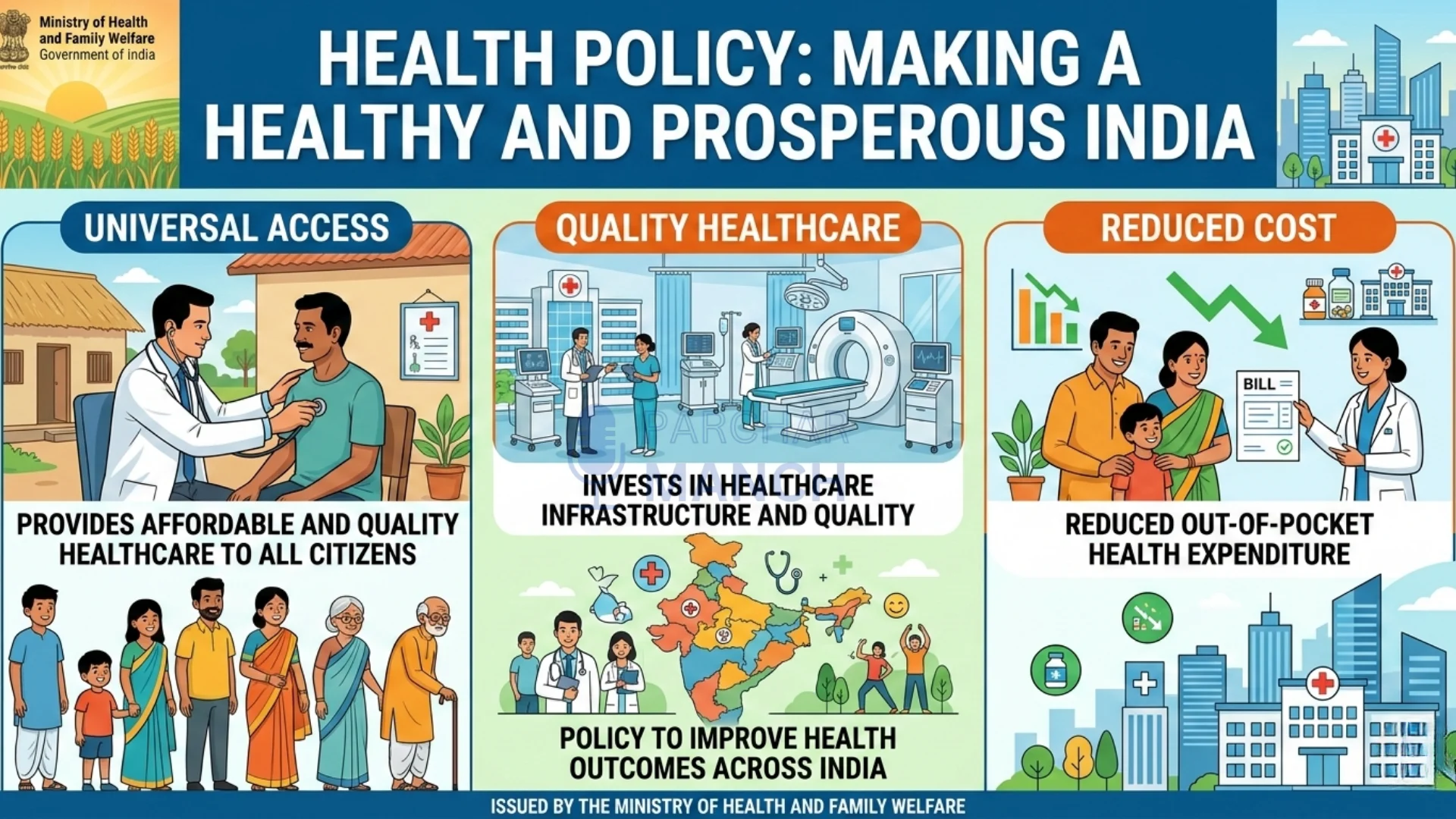
If someone asks for India's health policy explained in one line, it is the government’s long-term plan to make healthcare affordable, accessible, and fair for all. And yes, it sounds formal. But its impact is very personal.
Why Do We Even Need a National Health Policy?
India is huge. Cities, villages, mountains, deserts. Different languages. Different problems. Some people live near big hospitals. Some travel hours for basic treatment. Without a strong plan, the public health system in India can become uneven , strong in one place, weak in another.
The National Health Policy of India tries to fix that imbalance.
It focuses on:
- Reducing health inequalities
- Improving the quality of services
- Expanding healthcare in rural areas
- Lowering out-of-pocket medical expenses
Read More: Home vs Gym Workout Plans: Which Gives Better Results?
Because let us be honest , healthcare in India often comes directly from personal savings. And when savings go, stress follows. Quiet stress. The kind that does not sleep. That is why government healthcare policies matter. They shape the system that shapes our survival.
Main Goals of the National Health Policy of India
The National Health Policy of India sets clear targets. Not just dreams, but measurable goals.
Some of its main objectives include:
- Increasing public health spending
- Strengthening primary healthcare
- Reducing infant and maternal mortality
- Controlling communicable and non-communicable diseases
- Improving access to essential medicines
The idea is simple but powerful , healthcare should not push people into poverty. This policy also supports major healthcare reforms India needs, especially in areas like digital health, insurance coverage, and preventive care.
And when we say India's health policy explained, it means looking at these goals not as statistics, but as real change in real lives.
Strengthening the Public Health System in India
The public health system in India includes government hospitals, primary health centres (PHCs), community health centres, and district hospitals. For many citizens, this system is the first and only option.
The National Health Policy of India aims to strengthen this network by:
- Upgrading infrastructure
- Increasing doctor and nurse availability
- Ensuring free essential medicines
- Expanding vaccination programs
The focus on primary healthcare is important. Why?
Because if small illnesses are treated early, they do not become big, expensive problems later. This is one of the most practical government healthcare policies changes , prevention over reaction.
Healthcare Reforms India Has Seen Under the Policy
Key Healthcare Reforms Under India's National Health Policy
India's healthcare system has undergone several important reforms aimed at improving accessibility, affordability, and quality of medical services. These initiatives focus on strengthening healthcare infrastructure while ensuring that essential medical care reaches a larger section of the population.
Some of the major healthcare reforms include:
- Expansion of government-supported health insurance programs to improve financial protection for vulnerable families.
- Increased adoption of digital health technologies, including electronic health records and online healthcare services.
- Greater focus on regulating healthcare facilities and improving service standards across both public and private sectors.
- Efforts to make essential medicines and medical treatments more affordable for patients.
- Strengthening primary healthcare services to improve preventive care and early disease detection.
Programs such as Ayushman Bharat have further supported these objectives by helping eligible families access medical treatment without facing significant financial burdens. While challenges remain, these reforms represent ongoing efforts to create a more inclusive and efficient healthcare system that serves people across urban and rural areas alike.
Citizen Health Rights: What Are You Entitled To?
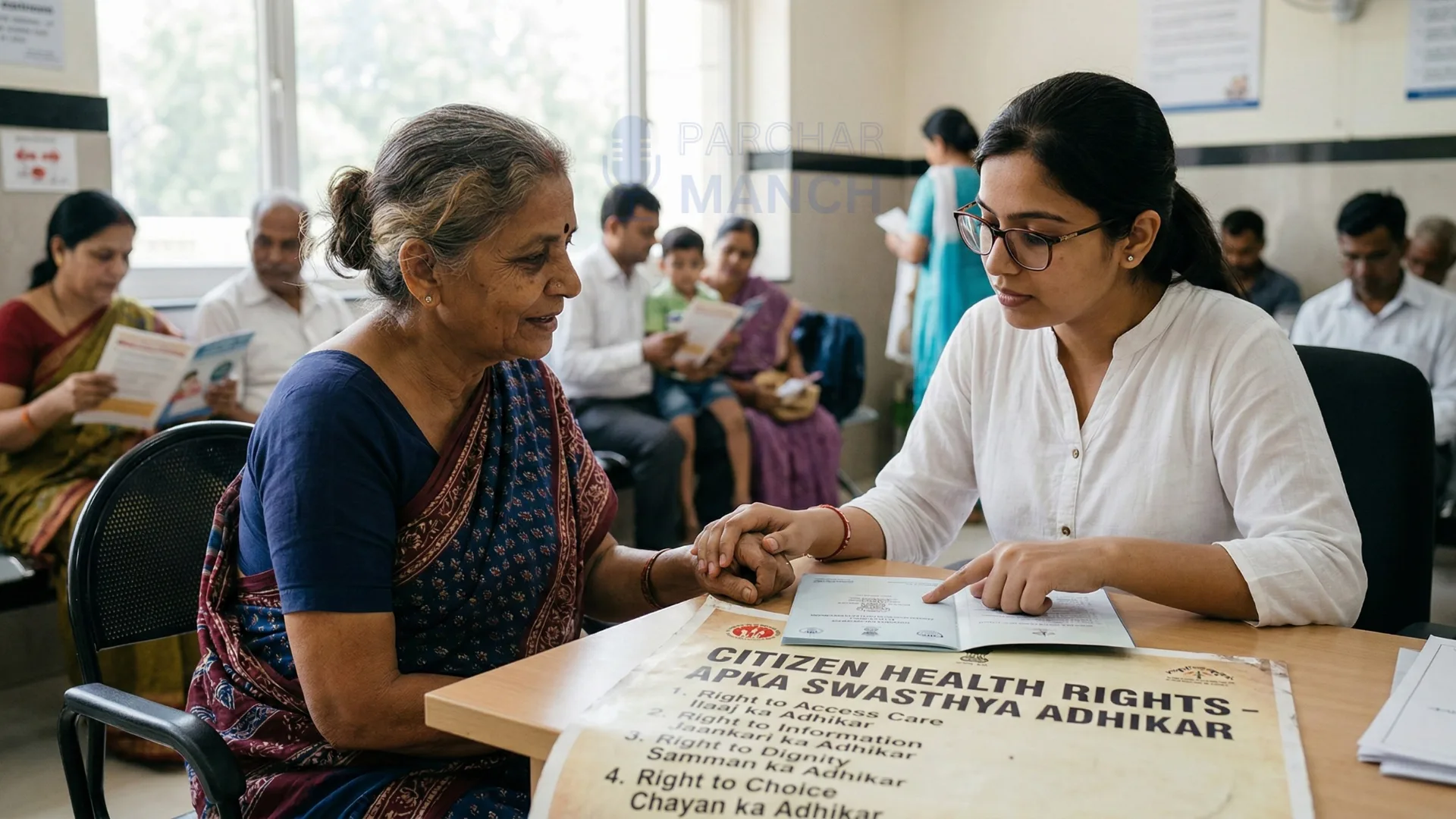
One powerful idea within the National Health Policy of India is the concept of citizen health rights.
This means:
- The right to affordable healthcare
- The right to emergency treatment
- The right to essential medicines
- The right to respectful treatment in hospitals
Healthcare is not just a service. It is a right. The policy encourages states to treat health as a fundamental commitment to citizens.
Understanding citizen health rights makes people more aware and more confident when seeking treatment. It shifts the mindset from “requesting help” to “claiming a right.” That is a subtle but important shift.
Focus on Preventive and Promotive Healthcare
The National Health Policy of India does not focus only on hospitals. It talks about prevention.
Prevention includes:
- Vaccination drives
- Health awareness campaigns
- Nutrition programs
- Sanitation improvements
If you think about it, preventing disease is cheaper and kinder than curing it. This is a major part of India's health policy, explained in simple terms , keep people healthy before they fall sick. It sounds obvious. Yet it requires planning, funding, and coordination.
Affordable Medicines and Generic Drugs
One major concern in India is the high cost of medicines.
The National Health Policy India supports:
- Promotion of generic medicines
- Regulation of drug prices
- Expansion of Jan Aushadhi stores
Affordable medicines are a key part of government healthcare policies. If treatment is prescribed but medicines are too costly, the system fails halfway. The policy tries to close that gap.
Financial Protection for Common Citizens
Medical expenses can be unpredictable. The National Health Policy of India promotes financial protection through insurance and public funding. Programs aligned with the policy aim to reduce out-of-pocket expenditure.
This strengthens the public health system in India and ensures that healthcare does not become a luxury. When discussing healthcare reforms in India, financial risk protection is one of the strongest pillars. It reduces fear. And fear, in healthcare, is heavy.
Challenges in Implementing the Policy
Policies look clean on paper. Reality is more complex.
The National Health Policy of India faces challenges such as:
- Shortage of trained doctors
- Uneven healthcare distribution
- Limited budget allocation
- Awareness gaps among citizens
Even strong government healthcare policies need proper execution. But progress is visible. Incremental, yes. Sometimes frustratingly slow. Still , visible.
How the National Health Policy of India Impacts Common Citizens
Now, let us bring it back to you. How does the National Health Policy of India affect a common citizen?
It means:
- Better primary health centres in villages
- More affordable medicines
- Expanded insurance schemes
- Improved maternal and child care
- Stronger disease control programs
It shapes the public health system in India that you depend on. When policies improve, waiting times reduce. Medicine availability improves. Awareness spreads. It may not feel dramatic. It may not make headlines daily. But it changes daily life in quiet ways. And quiet change can be powerful.
Conclusion
The National Health Policy of India serves as a long-term framework for strengthening the country's healthcare system and improving access to quality medical services. Its primary goal is to create a healthcare environment where citizens can receive timely, affordable, and effective treatment regardless of their economic background.
By focusing on preventive healthcare, expanding medical coverage, strengthening healthcare infrastructure, and encouraging the use of technology, the policy aims to address some of the most pressing challenges facing India's health sector. Initiatives such as improved primary healthcare services, digital health solutions, and financial assistance programs are helping move the country toward more inclusive healthcare delivery.
Although challenges related to implementation, infrastructure, and resource availability still exist, ongoing reforms continue to improve healthcare accessibility for millions of people. The policy reflects a broader commitment to building a healthier population and reducing the financial burden associated with medical treatment.
For citizens, the National Health Policy represents an important step toward a healthcare system that is more accessible, efficient, and patient-focused, supporting better health outcomes and a stronger quality of life for future generations.
Also Read: Cancer Research Updates: New Hope from Medical Science
FAQs
What is the main purpose of the National Health Policy of India?
The National Health Policy of India aims to improve access to affordable and quality healthcare for all citizens. It focuses on strengthening the public health system in India, reducing medical costs, and promoting preventive healthcare. The policy acts as a roadmap for long-term healthcare development in the country.
How does the National Health Policy of India benefit common citizens?
The policy benefits citizens by improving government hospitals, promoting affordable medicines, and expanding financial protection schemes. Through various healthcare reforms in India, it has reduced out-of-pocket expenses and improved service quality. It ensures that healthcare becomes more accessible and equitable.
What are citizen health rights under this policy?
Under the National Health Policy of India, citizen health rights include access to affordable treatment, essential medicines, and emergency care. The policy promotes dignity, transparency, and accountability in healthcare services. It empowers citizens to demand better services within the system.
How does the policy improve the public health system in India?
The public health system in India is strengthened through infrastructure upgrades, increased funding, better staffing, and digital health integration. The policy supports preventive care and primary health services to reduce hospital burden. These steps are key parts of broader government healthcare policies reforms.
Are there challenges in implementing the National Health Policy of India?
Yes, challenges include funding limitations, doctor shortages, and uneven healthcare access in rural areas. However, ongoing healthcare reforms in India aim to address these issues gradually. The policy sets long-term goals that require steady commitment and cooperation between central and state governments.