E20 Fuel India: Why the Government Just Broke Its Silence on the Mileage Backlash
Something odd has been happening at petrol pumps across India for months now. People fill up, drive off, and later swear their bike or car just isn't running the way it used to. That frustration finally forced an answer. The E20 fuel India debate, quiet for years, has now become loud enough that the Ministry of Petroleum and Natural Gas had to step in with a formal, detailed response. And what they said is more layered than a simple yes or no.
Let's actually walk through what's going on, because this affects almost anyone who owns a vehicle in the country right now.
Why the E20 Fuel India Debate Actually Matters to You
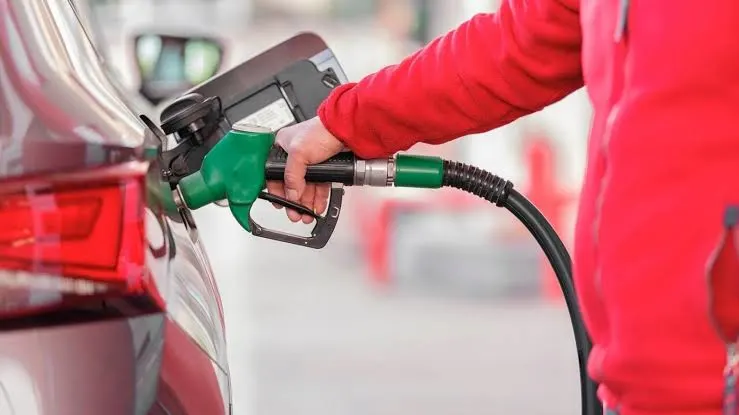
If you drive a car or ride a two-wheeler bought before 2020, this isn't background noise. It's your fuel bill, your engine's long-term health, and honestly, your trust in what's coming out of the pump. E20 petrol, fuel blended with 20 percent ethanol, has been rolled out nationally since April 2025, years ahead of the original 2030 target. That speed is exactly why frustration built up so fast. Owners of older, non-E20-certified vehicles suddenly had no alternative at the pump. No E10, no pure petrol option, just E20, whether their vehicle was rated for it or not.
Opposition politicians noticed. Social media noticed even faster. A protest was even held at Jantar Mantar in Delhi, with motorists showing up specifically to push back against the mandatory rollout. So no, this isn't a fringe complaint. It's a live, ongoing argument about consumer choice and fuel policy.
What E20 Fuel Really Is, Explained Simply
Think of E20 as regular petrol with a fifth of it swapped out for ethanol, a fuel made from crops like sugarcane and maize. The idea is straightforward on paper: less crude oil imported, more demand for Indian farmers' produce, and lower tailpipe emissions overall. India has been building toward this for over two decades, starting with pilot ethanol projects back in 2001 and reaching a 10 percent blend nationally by 2022, ahead of schedule.
The jump from E10 to E20, though, is where things got messy. Not every vehicle on Indian roads was built with that jump in mind.
How the Government Responded, Step by Step
The Ministry didn't just issue a one-line statement. It released a full set of frequently asked questions addressing nearly every complaint circulating online.
- It admitted, for the first time this clearly, that E20 can lower fuel economy by 3 to 5 percent in some vehicles. That's a real concession, not a dismissal.
- It argued that mileage is only one factor, pointing to E20's higher octane rating, better anti-knock performance, and smoother acceleration as trade-offs worth considering.
- It cited field data from manufacturers like Maruti Suzuki and Hero MotoCorp, saying no significant corrosion or component damage linked specifically to E20 had been reported.
- It rejected demands for multiple fuel grades at the pump, saying running separate supply chains for pure petrol, E10, and E20 across more than one lakh retail outlets would be a logistical mess and would raise costs everywhere.
- It pushed back on claims that ethanol blending was rushed, laying out a timeline stretching from 2001 pilot projects through the 2018 biofuels policy to today's rollout.
Each of these points was meant to answer a specific piece of public anger, not just to reassure people in general terms.
Real Numbers Behind the E20 Fuel India Rollout
Here's where it gets genuinely interesting. The government claims the ethanol blending programme has already saved close to Rs. 1.97 lakh crore in foreign exchange by cutting crude oil imports, while transferring more than Rs. 1.66 lakh crore to farmers through ethanol procurement. Maize-based ethanol, for instance, is currently procured at around Rs. 71.86 per litre before taxes and logistics costs. That number matters because it explains why E20 isn't automatically cheaper at the pump. When crude oil trades around 70 dollars a barrel, ethanol can actually cost more to produce than petrol itself.
Mistakes People Keep Making While Following This Story
A lot of people assume ethanol blending happened overnight. It didn't, not really. The policy groundwork goes back over twenty years, even if the final jump to E20 felt sudden to everyday drivers. Another common mix-up: assuming cheaper ethanol automatically means cheaper fuel. It doesn't, because ethanol pricing is fixed to protect farmer income, not to undercut petrol prices.
Pro Tips for Vehicle Owners Right Now
If your vehicle was manufactured before 2020, it's worth checking directly with your manufacturer whether it's E20 certified, rather than assuming based on age alone. Manufacturers have published compatibility lists, and Maruti Suzuki and Hero MotoCorp specifically have been vocal about supporting existing customers through service advisories. Also, don't panic over a 3 to 5 percent mileage dip alone. Track it over a few tank fills before assuming something's mechanically wrong, since driving conditions affect mileage far more than most people realize.
Closing Thoughts
What's striking here isn't just the policy itself, it's the tone of the government's response. Combative in places, almost defensive, but also more transparent than earlier statements had been. Whether that convinces frustrated vehicle owners is a separate question entirely. Policy debates like this one rarely end with everyone satisfied. They just quiet down until the next update forces another round of answers.
FAQs
What is E20 fuel and why is it controversial in India?
E20 is petrol blended with 20 percent ethanol. It's controversial because many vehicle owners report reduced mileage and had no fuel choice at pumps after the rapid national rollout in 2025.
Does E20 fuel damage older vehicles?
The government says manufacturer field data shows no significant corrosion or damage linked to E20, though some older vehicles may see a 3 to 5 percent drop in fuel economy.
Why isn't E20 cheaper than regular petrol?
Because ethanol is purchased from farmers at fixed, protected prices, which can exceed the cost of crude-oil-based petrol when global oil prices are low.
Can I still get pure petrol or E10 in India?
Largely no. The government has rejected calls for multiple fuel grades at pumps, citing logistical and cost challenges across the country's retail network.
What are the benefits of E20 fuel according to the government?
Lower crude oil imports, foreign exchange savings, higher farmer income, and reduced lifecycle carbon emissions compared to pure petrol.
Is India planning to increase ethanol blending beyond E20?
Yes. Standards have already been notified for E22, E25, E27, and E30, with further studies underway on their impact on existing vehicles.