Indian Consumer Court Issues First Ruling On E20 Fuel Damage: What This Means For Your Car And Your Rights
Somewhere in Raipur, a vehicle owner who spent months arguing with his manufacturer just won something bigger than his own case. The Indian consumer court issues first ruling on E20 fuel damage, and if you drive a car in India, even one that's running fine right now, this is worth understanding properly, not just skimming past.
Why This Ruling Actually Matters
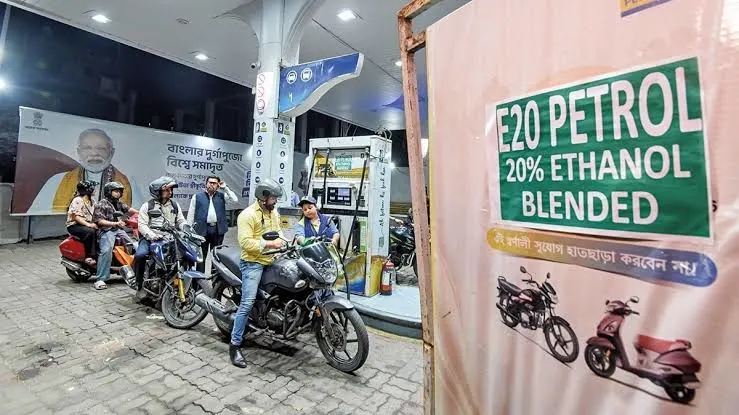
Here's the honest starting point. India has been rolling out E20 petrol, fuel blended with 20 percent ethanol, nationwide, and for a while now, complaints have been quietly piling up. Engine misfiring. Sudden drops in mileage. Repeated visits to the workshop that never quite fix the problem. Until now, these complaints mostly lived on social media threads and owner forums. No formal, binding decision existed to say who's actually responsible when something goes wrong. That changed with the Raipur District Consumer Disputes Redressal Commission's decision, and it matters because it gives consumers, for the first time, a legal precedent to point to.
What Actually Happened In This Case
Let's break it down simply. A vehicle owner filed a complaint alleging that after regularly using E20 petrol, his car began developing recurring engine problems, misfiring, reduced performance, and a noticeable drop in fuel efficiency. He took the vehicle back to authorised workshops multiple times. Each time, the fault seemed to get patched temporarily, then returned. Eventually, fed up with the cycle and the mounting repair costs, he approached the consumer forum.
Read More: Power Shifts 2026: A Clear Look at India’s Changing Political Scene
The manufacturer and dealer pushed back, arguing the vehicle was fully compatible with E20 fuel, and suggesting the real cause might be routine wear and tear or maintenance lapses, not the fuel itself. That's a fairly standard defence in cases like this, and honestly, a reasonable one to raise. But the Commission looked closely at the pattern here, not just the fuel type, but how often the same problems kept resurfacing despite repeated repair attempts. That repetition mattered. The Commission ultimately ruled in the owner's favour, directing the manufacturer and dealer to reimburse repair costs and pay additional compensation for mental agony and litigation expenses.
How This Fits Into The Bigger E20 Legal Picture, Step By Step
- The Supreme Court angle: Back in September 2025, the Supreme Court dismissed a separate Public Interest Litigation that had asked for ethanol-free petrol to remain available for older vehicles, ruling that E20 was safe and that national energy policy couldn't be dictated purely by individual consumer preference.
- The government's official position: The Centre has repeatedly stated there's no conclusive evidence that E20 fuel causes mechanical damage, citing tests from the Indian Oil Corporation, SIAM, and the Automotive Research Association of India, which found no major differences in wear or drivability.
Read More: Trump's Iran Deal: The "Final Determination" That Nobody Has Made Yet
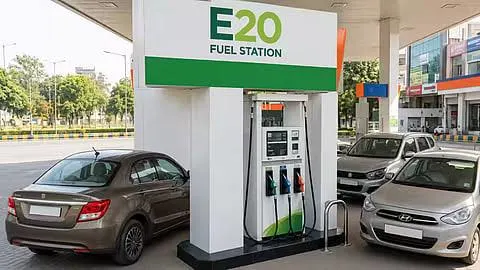
- The compensation gap: Despite that, the government decided against creating any dedicated compensation fund for E20-related vehicle damage, which effectively pushes responsibility onto manufacturers, insurers, and individual consumers, exactly the space where this Raipur ruling now sits.
- Where the Consumer Protection Act comes in: Since no PIL against the E20 policy itself is likely to succeed anymore, individual consumers now have to rely on filing complaints under the Consumer Protection Act, 2019, against specific manufacturers, dealers, or insurers, case by case.
- This ruling as the first real test case: That's exactly what makes the Raipur decision significant, it's the first time this exact legal pathway has actually produced a result in a consumer's favour.
Read More: DK Shivakumar Is Finally Becoming Karnataka Chief Minister: The Wait, The Deal, and What Comes Next
Real-World Example That Makes This Clearer
Think of it like a warranty dispute over a phone battery that keeps swelling. The manufacturer says it's user error, charging habits, extreme heat, whatever. But if the same fault keeps reappearing across multiple repair visits despite following every recommended precaution, at some point the pattern itself becomes evidence. That's essentially the logic the Commission applied here, repeated documented failures, following manufacturer guidance, with no lasting fix, shifted the burden back onto the manufacturer.
Mistakes People Keep Making Around E20 Fuel Complaints
A common mistake is assuming that just using E20 automatically means engine damage is coming. It doesn't, controlled testing shows only a 2 to 4 percent typical mileage drop, capped around 6 percent, which is a manageable dip, not a guaranteed disaster. Another mistake, and this one's more relevant now, is assuming there's nothing you can do if your vehicle starts developing issues. There is, filing a documented, repeated complaint through authorised service channels before escalating to a consumer forum, exactly the pattern that helped this case succeed.
Read More: CBSE Re-Evaluation Portal 2026: Everything Students Need to Know Before the Deadline Passes
Pro Tips That Actually Help If You're Facing Similar Issues
Keep every service record. Every single one. If your vehicle develops a recurring fault after switching to E20, document each workshop visit, the stated problem, and what was done to fix it. That paper trail is precisely what strengthened this case. Also worth knowing, vehicles manufactured after April 1, 2023 are generally designed to be E20-compliant, so if you're driving something older, staying proactive about maintenance and being extra diligent about documentation matters even more.
Closing Thoughts
There's something quietly significant about watching a single consumer complaint from Raipur ripple outward into a precedent that automakers, insurers, and policymakers will now have to reckon with. This ruling doesn't settle the broader E20 debate, that fight over engine compatibility and fair compensation is likely far from over. But it does hand ordinary vehicle owners something they didn't have before: proof that the legal system can, and will, side with them when the evidence supports it.
Disclaimer: This article is based on information available across the web. Parchar Manch does not take responsibility for its complete accuracy, as the content could not be fully verified.
FAQs
What did the Raipur Consumer Commission actually rule?
It ordered the vehicle manufacturer and dealer to reimburse repair costs and pay compensation after finding recurring engine problems linked to E20 fuel use.
Does this mean E20 fuel damages all vehicles?
No, this ruling applies to this specific case. The Supreme Court has separately upheld E20 as safe nationally, though older vehicles may be more prone to issues.
Can I file a similar complaint if my car has problems after using E20?
Yes, under the Consumer Protection Act, 2019, you can file a complaint against the manufacturer, dealer, or insurer if you have documented, recurring issues.
Is there a government compensation fund for E20 damage?
No, the government has decided not to set up a dedicated fund, leaving responsibility with manufacturers, insurers, and consumers.
Which vehicles are considered E20-compliant?
Generally, vehicles manufactured after April 1, 2023 are designed to handle E20 fuel without issues.
How much mileage loss is normal with E20 fuel?
Controlled tests show a typical 2 to 4 percent reduction, with an upper limit of around 6 percent, though real-world results can vary.