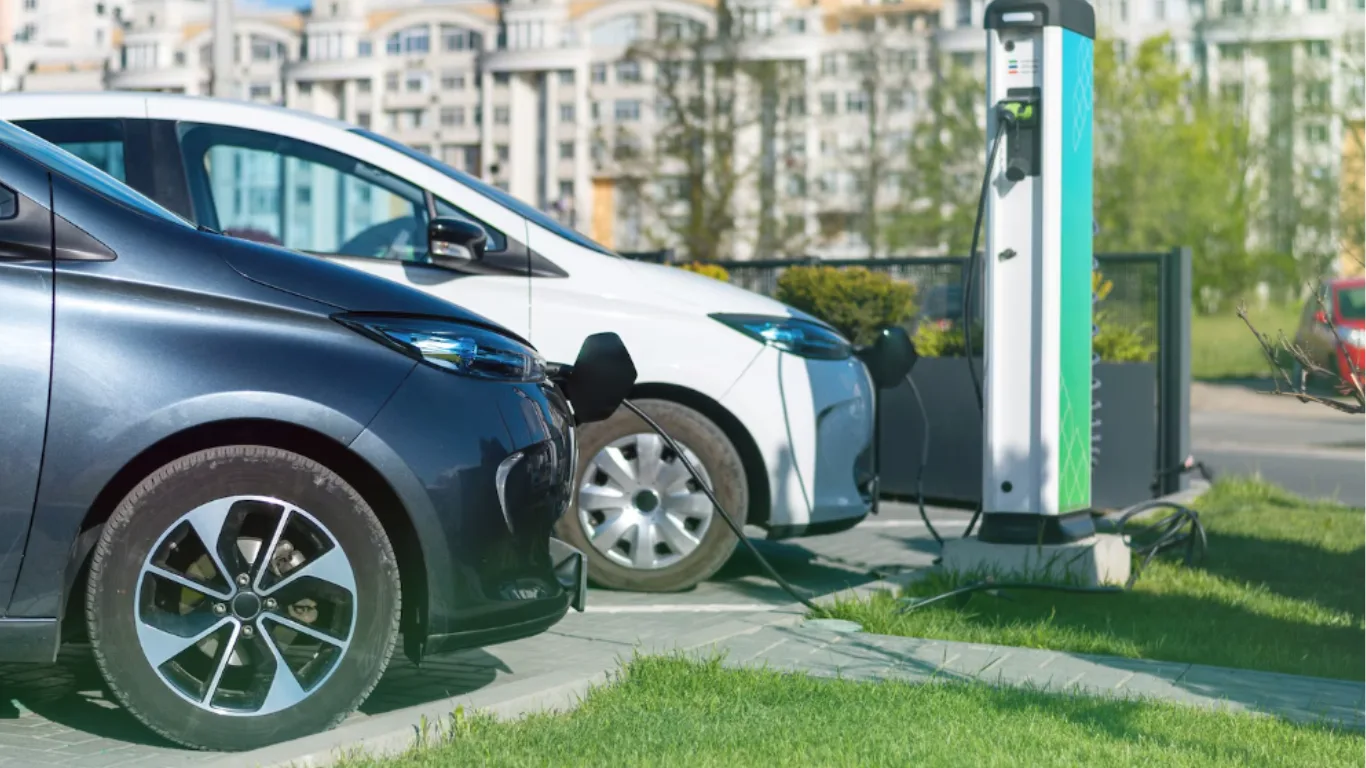
Essential EV News India 2026: Electric Vehicle Growth, Subsidies, and Charging Infrastructure
Electric vehicles have shifted from being a niche topic to a mainstream part of daily conversation in EV News India 2026. From record growth in EV adoption to government incentives and expanding charging networks, the year 2026 is shaping up as a transformative period for electric mobility in India.
In this article, we explore EV News India 2026 in simple, easy language, covering the latest developments in adoption trends, subsidy schemes, infrastructure updates, and what these changes mean for people across the country.
Whether you are thinking about buying an EV, curious about government support, or just want to understand how electric cars and scooters are becoming part of Indian streets, the content below will give you a complete and clear picture.
Rapid Growth in the Indian EV Market
One of the most talked,about stories in EV News India 2026 is the rapid growth of electric vehicle adoption. According to recent statements by government officials, India’s electric vehicle market has been expanding at an annual rate of around 60 per cent over the past six years.
This rapid increase has pushed registrations close to 2 million EVs as of 2025, including two‑wheelers, three‑wheelers, cars, buses and other electric vehicles.
This surge is partly due to strong national initiatives like the PM E‑DRIVE scheme and other state and national incentives that make electric mobility more attractive to buyers and manufacturers alike.
Among the EV segments, two‑wheelers lead the adoption curve, with everyday commuters choosing electric scooters and bikes. Electric passenger cars and commercial EVs are also gaining traction, showing India’s transition toward a cleaner, more sustainable mobility future.
Government Support: Subsidies and Incentive Policies
A big part of EV News India 2026 revolves around subsidies and government support. The PM E‑DRIVE scheme , a central push to promote electric vehicles , has been extended and injected with new funding, including about ₹1,500 crore in the Union Budget 2026‑27 for promoting electric mobility.
This scheme aims to lower the cost of EV purchases, especially for electric two‑wheelers and three‑wheelers, and encourage local manufacturing and infrastructure development.
Previously, the original PM E‑DRIVE scheme had a multi‑crore outlay with subsidies for EV buyers and investors in charging stations to boost adoption rates and build a robust ecosystem.
However, recent reports also show that some electric three‑wheeler subsidies under this scheme have been exhausted earlier than expected, indicating strong demand in certain EV segments but also raising questions about long‑term incentive planning.
The government’s Union Budget discussions in early 2026 also highlighted that EVs could become more affordable with clear policy directions on GST, manufacturing incentives, and localised EV production , potentially attracting more buyers and investment into electric mobility.
Charging Infrastructure: Progress and Challenges
In EV News India 2026, charging infrastructure remains a key topic because EV owners need reliable and accessible chargers to feel confident in making the switch from petrol or diesel vehicles.
The PM E‑DRIVE scheme includes support for setting up public EV charging stations across the country , cities, highways, public transport hubs, and commercial spaces , with significant subsidies for infrastructure costs.
Read More: Most Popular Viral News India This Week and Public Reactions
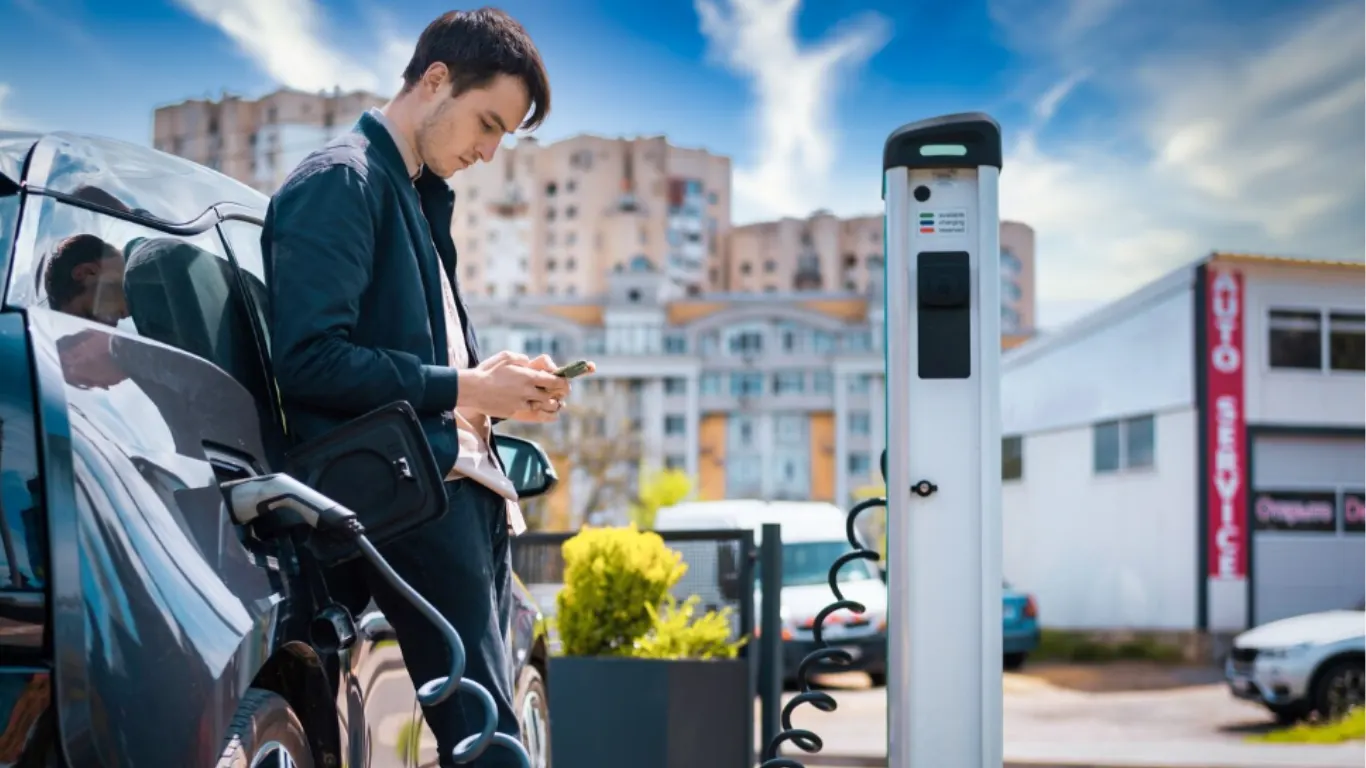
Recently, a significant partnership was announced between TATA.ev and Shell to launch 21 mega charging hubs across major cities like Bengaluru, Chennai, Vadodara, Pune and highways.
These hubs aim to provide fast and convenient charging options for EV users, helping reduce range anxiety and make long‑distance EV travel easier.
Despite these developments, challenges remain. Independent reports and industry studies show that while the number of public EV chargers has increased roughly fivefold since 2020, the charging infrastructure investment still falls short of the levels needed by 2030.
The gap in investment means that more capital is needed to support the expected growth of electric vehicles, especially fast chargers and infrastructure in tier‑2 and tier‑3 cities.
In some cities like Ludhiana, local authorities have taken proactive steps by tendering new EV charging stations with advanced features like AC/DC chargers, modular battery swapping, solar solutions and digital payment integrations.
This kind of localised effort represents how EV News India 2026 includes both national and city,level developments.
Investment and Industry Momentum
Investment trends form a significant part of EV News India 2026. India’s electric vehicle sector attracted around ₹2.23 lakh crore in investments between 2020 and 2025, indicating strong interest from both domestic and global players in EV manufacturing and related technologies.
Despite this large inflow, only a small share of the estimated ₹12.5 lakh crore investment needed by 2030 has been mobilised so far. This indicates that while early momentum is strong, substantial additional capital will be required to fully realise the country’s electric vehicle ambitions , especially in charging infrastructure and affordable financing for buyers.
High costs for commercial EV financing (often above 15 per cent) also pose challenges, dampening total cost‑of‑ownership advantages that EVs can offer over traditional vehicles.
Experts suggest new financing solutions, like credit guarantees and battery‑as‑a‑service models, could help bring down borrowing costs and unlock broader adoption.
Industry and Market Trends in 2026
In EV News India 2026, industry news highlights new models, market strategies and expanding footprints of electric vehicle companies. For example, Tata Motors launched bookings for the 2026 Tata Punch EV, an affordable electric car with features aimed at reducing barriers to entry for mainstream EV buyers.
With token bookings open and deliveries expected soon, this model reflects how traditional vehicle makers are betting on EVs as the next growth area.
Read More: Top Human Rights India Issues and How Citizens Can Make a Difference

Overall sales trends show that advanced EV offerings, including high‑range electric cars and two‑wheelers, are boosting interest among Indian buyers. As adoption grows, companies like MG, Hyundai and new players like Vinfast are expanding EV portfolios, dealership networks, and charging partnerships to meet diverse customer needs.
Public Adoption: What the Numbers Say
Another significant highlight from EV News India 2026 is the surge in EV adoption driven by both consumer interest and policy support. According to government figures, over 28 lakh electric vehicles have been sold under the PM E‑DRIVE scheme as of early 2026, including mostly two‑wheelers and three‑wheelers.
This level of adoption shows that electric mobility is no longer limited to early adopters; it is becoming mainstream across different segments and regions.
The rapid growth in sales is also pushing public transport authorities to electrify buses in major cities, while trade agreements and export opportunities for EV components and finished products are opening up new growth avenues for India’s EV industry.
Looking Ahead: What EV News India 2026 Means for You
From a buyer’s perspective, EV News India 2026 signals several key opportunities and trends:
- EV adoption is rising rapidly, meaning more variety and competitive pricing for electric vehicles.
- Government subsidies and schemes like PM E‑DRIVE are making EVs more affordable and boosting confidence in electric mobility.
- Charging infrastructure is expanding, with public‑private partnerships and government guidelines accelerating rollout across cities and highways.
- Investment flows are strong but need to increase, especially in charging and financing, to support long‑term EV goals.
- Consumer awareness and industry competition continue to grow as more EV models become available.
All these developments reflect a broader trend where EV News India 2026 is not just about electric vehicles; it’s about sustainable transport, technological innovation, and building a future where cleaner mobility plays a central role in everyday life.
Conclusion
EV News India 2026 captures a moment of real transformation in India’s transport landscape. Electric vehicles are growing faster than ever before, driven by strong consumer demand, policy incentives, supportive infrastructure efforts, and significant investment interest.
Government schemes like the PM E‑DRIVE initiative are pushing adoption, subsidies, and charging networks, while partnerships between public and private players are building a more accessible EV ecosystem across urban and rural regions.
Despite rapid growth, challenges remain , most notably the funding gap for charging infrastructure and the need for affordable financing options for buyers. These issues highlight that India’s EV journey is not complete yet, but progress is undeniable.
As more manufacturers introduce consumer‑friendly EV models, charging stations become more widespread, and government policies evolve to support green mobility, electric vehicles are steadily becoming a practical choice for everyday Indian drivers.
In simple words, EV News India 2026 shows a future where electric transport is no longer a general idea but a growing reality , one that reflects innovation, sustainability, and shared responsibility toward cleaner air and greener cities.
With ongoing momentum, the journey toward widespread EV adoption promises to reshape India’s roads and mobility in the years to come.
Read More: Top Legal Affairs 2026 in India: Cases, Judgments, and Policy Implications
FAQs
What is the latest EV News India 2026 update on electric vehicle adoption?
Recent EV News India 2026 reports show that EV adoption in India has grown rapidly over the last few years, with annual market growth exceeding 60 per cent and cumulative registrations nearing 2 million vehicles.
Are there government subsidies available for EV purchases in India?
Yes. Government schemes like the PM E‑DRIVE initiative provide financial incentives for EV buyers and infrastructure development, and the Union Budget 2026‑27 has allocated additional funds to support electric mobility growth.
How is the charging infrastructure improving in 2026?
Charging infrastructure is expanding with public and private partnerships, including mega charging hubs across major cities and highways. However, investment gaps mean more rapid expansion is still needed to meet future EV demand.
What challenges remain for EV growth in India?
Despite progress, challenges include funding shortages for charging infrastructure, high borrowing costs for EV buyers, and uneven charger distribution, especially outside major cities.
How do these developments affect everyday EV buyers?
The developments in EV News India 2026 mean more choices, better infrastructure planning, and supportive policies that help reduce total ownership costs and build confidence for electric vehicle buyers across India.