
Exam Paper Leak Penalties in India Just Got a Lot Scarier for Cheating Networks, Here's What Changed
Ten years in prison. A fine that can run up to ten crore rupees. Fast-track courts with a three-month deadline to deliver a verdict. That's not a plot from a crime drama, that's the actual shape of India's new crackdown on cheating, and it tells you how seriously this issue has escalated. The government's push for tougher exam paper leak penalties didn't come out of nowhere, it came after months of student anger, a minister's resignation, and a level of public pressure that's hard to ignore even for a government that usually doesn't bend easily.
Let me walk through what's actually in this proposal, and why the details matter more than the headline number.
Why This Actually Matters
If you've never sat a competitive exam in India, it's genuinely hard to explain the scale of what's at stake. NEET-UG alone draws over two million applicants a year, all competing for a limited number of medical seats. When a paper leaks, and there's decent evidence one candidate's shortcut cost another candidate their fair shot, that's not a technicality. It's someone's years of preparation, and often their family's savings, undone by a stolen answer key. Multiply that across NEET, JEE, UPSC, SSC, and the dozens of recruitment exams run every year, and you start to see why this became a national flashpoint rather than a local scandal.
What This Bill Actually Is
Here's the simplest way I can put it. Think of the earlier law, the Public Examinations (Prevention of Unfair Means) Act, 2024, as a lock on a door. It existed, it did something, but determined burglars kept finding ways around it. This new amendment isn't a different lock, it's a much heavier one, with steeper consequences if you're caught trying to pick it.
The Union Cabinet approved the draft amendment, and Union Minister Dr Jitendra Singh is set to table the Public Examinations (Prevention of Unfair Means) Amendment Bill, 2026, in Parliament during the ongoing Monsoon Session. The core idea is straightforward. Raise the minimum punishment so it's no longer worth the risk, and speed up the trial process so cases don't drag on for years while public trust erodes.
How the New Penalties Actually Work
Breaking down the mechanics helps, because the numbers alone don't tell the whole story.
- A minimum prison term of five years applies to individuals involved in paper leaks, a floor, not a ceiling.
- Organised exam fraud, meaning coordinated cheating networks rather than a single opportunistic act, can draw up to ten years of imprisonment and a fine reaching ten crore rupees.
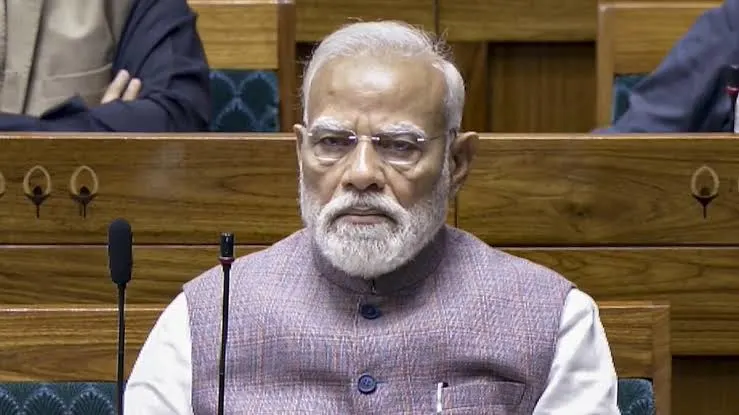
- Properties of convicted individuals can reportedly be seized, aimed squarely at the financial incentive behind organised leak networks rather than just punishing individuals.
- Fast-track courts are proposed specifically for these cases, with a mandate to complete trials and deliver verdicts within three months, a sharp contrast to how slowly these cases have historically moved through India's courts.
- The law would apply broadly, covering major examinations like NEET, JEE, UPSC, SSC, and other government recruitment tests, not just one exam board.
Real-World Context That Makes This Land Differently
This didn't happen in isolation, and honestly, understanding the timeline matters. Prime Minister Narendra Modi had already announced plans for stronger anti-leak measures, noting that over roughly the past two and a half months, government action had led to arrests connected to paper leak cases. Around the same period, sustained youth protests, organized partly by a movement known as the Cockroach Janta Party, pushed the issue into daily headlines, eventually contributing to Education Minister Dharmendra Pradhan's resignation. Separately, a task force chaired by Nandan Nilekani was appointed to recommend structural, technology-driven reforms to the National Testing Agency.
Put together, that's three moves happening almost simultaneously: a resignation, a new task force, and now tougher criminal penalties. That's not a coincidence, that's a government responding to pressure on every front it can.
Mistakes Past Anti-Leak Efforts Have Made
It's worth being honest here, since not everyone thinks harsher punishment alone solves this. Critics of India's earlier examination law argued that severe punishment by itself hasn't historically fixed the problem, partly because cheating and impersonation were already punishable under existing criminal law, and leaks kept happening anyway. Several states, including Uttar Pradesh, Bihar, and Gujarat, have passed their own tough anti-paper-leak laws in recent years, some with penalties up to life imprisonment, yet leaks continued to surface. The pattern suggests punishment alone doesn't close every gap, especially if the actual point of failure is how papers are printed, transported, or digitally secured before test day.
Pro Tips Worth Understanding
If you're trying to judge whether this law will actually work, don't just watch the penalty numbers, watch the enforcement side. Fast-track courts only matter if they're properly staffed and actually hit that three-month target. And a law with ten-year sentences means very little if investigators can't trace leaks back to their source quickly enough to prosecute anyone at all. The real signal to watch for is whether arrests under this new framework lead to convictions within the promised timeline, not just headlines about tougher sentencing.
Closing Thoughts
There's a reasonable case that this law was inevitable, given how much pressure had built up by the time it reached Cabinet approval. Whether it actually deters the next paper leak, or simply raises the price of getting caught without touching the underlying vulnerabilities in how exams are secured, is something only the next year or two will really answer.
Read More: Cockroach Janta Party Rises: What Is CJP, Who Is Behind It, and Why India Is Paying Attention
FAQs
What is the Public Examinations Amendment Bill 2026?
It's a proposed amendment to India's Public Examinations (Prevention of Unfair Means) Act, 2024, introducing stricter penalties, up to ten years imprisonment and fines up to ten crore rupees, for exam paper leaks and organised cheating.
Which exams does this law cover?
It applies broadly to major competitive examinations including NEET, JEE, UPSC, SSC, and other government recruitment tests conducted across India.
What are fast-track courts under this Bill?
Special courts mandated to complete trials and deliver verdicts within three months specifically for paper leak and exam fraud cases, meant to speed up justice compared to standard trial timelines.
Why was this Bill introduced now?
It follows sustained public pressure after alleged NEET-UG paper leaks, which triggered nationwide student protests and led to Education Minister Dharmendra Pradhan's resignation.
Will tougher penalties actually stop paper leaks?
That's genuinely debated. Critics point out that several states already passed strict anti-leak laws with heavy penalties, yet leaks continued, suggesting enforcement and exam security infrastructure matter as much as sentencing.
When will the Bill be discussed in Parliament?
It's expected to be tabled during the ongoing Monsoon Session of Parliament for consideration and passage.