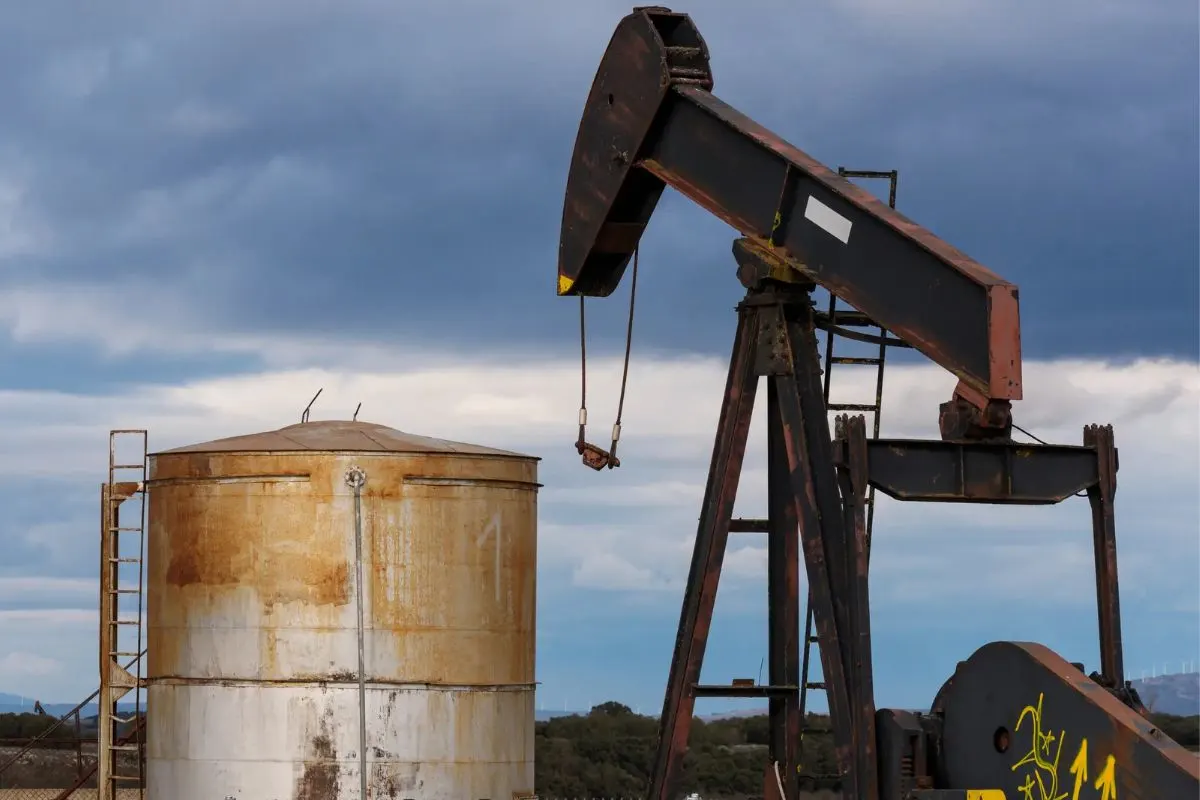
Global Oil Supply: How US-Iran Conflict Impacts Oil Prices
There’s something oddly tense about oil markets right now like a quiet storm building under still water. You look at the headlines US Navy, Iran, Strait of Hormuz and you already feel it. Prices don’t just move because of numbers.
They move because of fear. Expectation. Memory. And maybe history repeating itself, just slightly louder this time. So let’s slow down and unpack this properly no jargon overload, no confusion. Just clear thinking, step by step.
What’s Actually Happening? (The Situation Explained Simply)
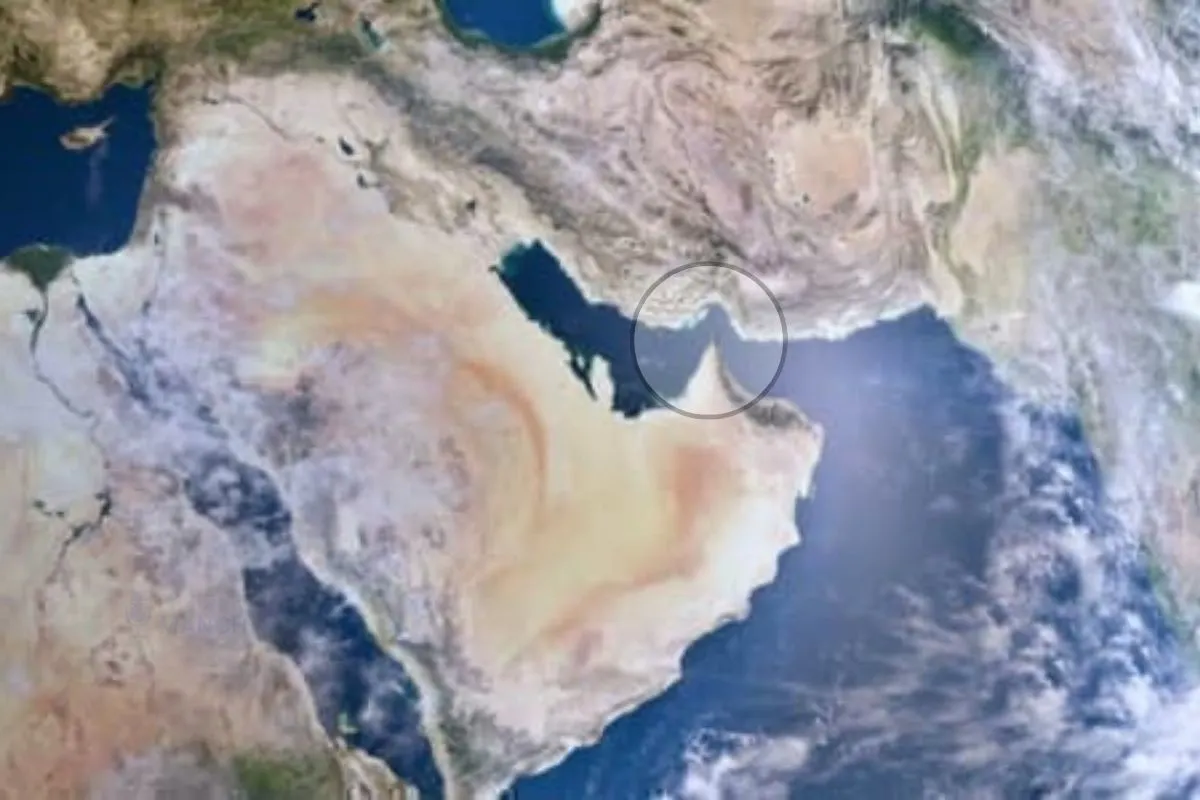
At the centre of all this is the Strait of Hormuz blockade a narrow but extremely critical sea route. Around 20% of the world’s oil passes through this tiny stretch of water.
Now imagine this:
One narrow chokepoint carrying almost one-fifth of the planet’s energy.
And then suddenly military tension.
- The US Navy moves to restrict or monitor Iranian ports
- Iran reacts (or threatens to react)
- Markets panic because uncertainty spreads faster than oil spills
And just like that, oil prices rise.
Not slowly. Not gently. But sharply.
WHY Are Oil Prices Rising?
Let’s break this down in a way that actually makes sense:
1. Fear of Supply Disruption
- Oil markets are driven by expectation, not just actual supply
- Even a small threat to the global oil supply triggers price spikes
- Traders think: “What if supply stops tomorrow?”
That “what if” it’s powerful.
2. Strait of Hormuz = Global Lifeline
- Countries like Saudi Arabia, the UAE, and Kuwait export oil through it
- A blockade or conflict here means:
- Ships delayed
- Routes blocked
- Insurance costs rising
Which directly leads to crude oil prices increasing
3. Geopolitical Tension = Market Instability
- The US-Iran conflict isn’t new but escalation changes everything
- Any military movement increases risk perception
- Investors move money into safe assets like gold
- Meanwhile oil becomes expensive
4. Speculation and Panic Buying
- Traders start buying oil early (before shortages)
- This creates artificial demand
- Result? Prices go up even more.
It’s not always reality it’s the anticipation of reality.
Read More: Why Iran and Israel are at War: 2026 Conflict & Operation Epic Fury Explained
HOW Does This Affect Global Supply?
This is where things start to ripple quietly at first, then everywhere.
Direct Impact
- Oil shipments slow down
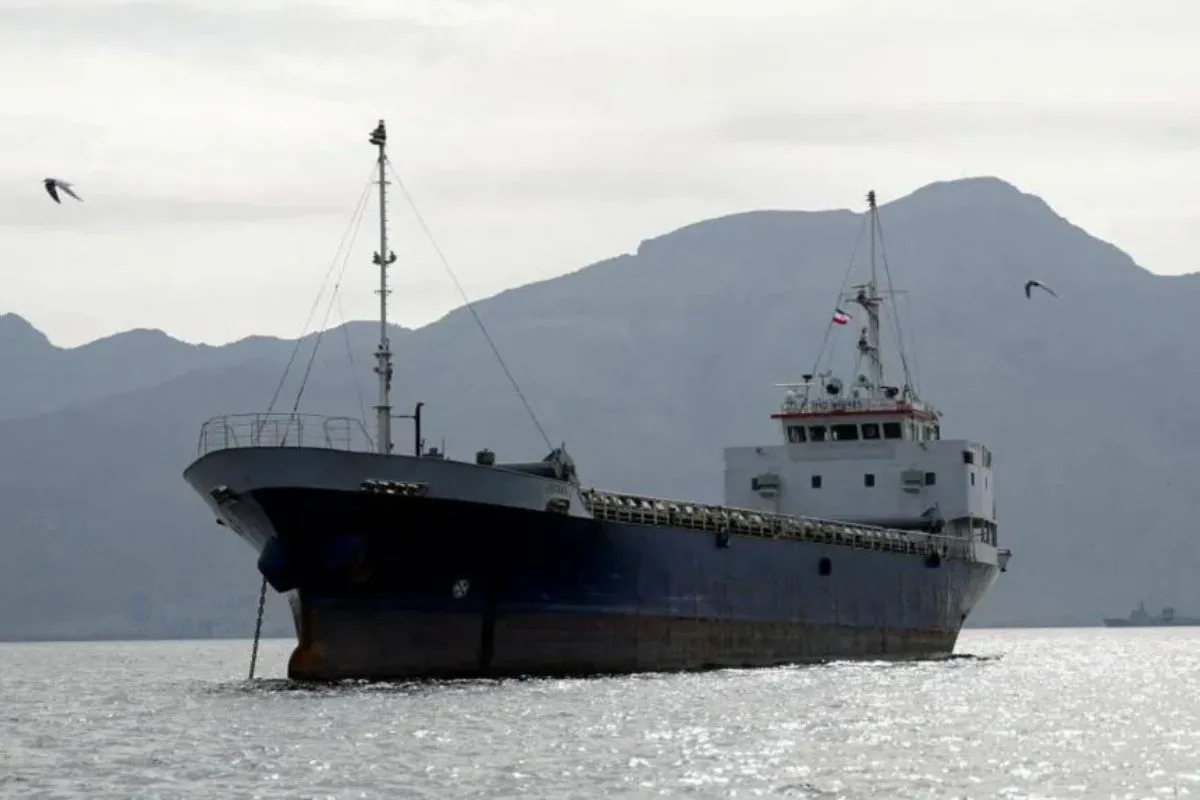
- Tankers avoid risky routes
- Shipping costs increase
Indirect Impact
- Countries start stockpiling oil
- Refinery operations adjust
- Airlines, industries, logistics all feel pressure
Chain Reaction
- Higher oil → higher fuel prices
- Higher fuel → higher transportation cost
- Higher transport → everything becomes expensive
Even your grocery bill yes, that too.
EXAMPLE: What Happens in Real Life
Let’s take a simple example.
Imagine India (or any oil-importing country):
- It imports most of its oil
- Suddenly, oil prices rise globally
- The government pays more for crude oil
- Petrol and diesel prices increase
Now see the chain:
- Transport becomes expensive
- Food prices rise
- Inflation increases
- Stock markets fall
And all of this because of tension thousands of kilometres away.
That’s how interconnected the global oil crisis really is.
Energy Market Impact (The Bigger Picture)
This isn’t just about oil. It’s about trust in global systems.
Short-Term Effects
- Sharp increase in crude oil prices
- Stock market volatility
- Currency fluctuations
Long-Term Effects
- Countries rethink energy dependency
- Push toward renewable energy increases
- Strategic oil reserves become more important
Asia Feels It More
- Countries like India, China, and Japan rely heavily on imports
- Any oil supply disruption hits them harder
So while the conflict may seem regional the impact is global.
Read More: Iran-Israel War 2026: Global Crisis & Its Strong Impact on India
MISTAKES People Often Make While Understanding This Situation
Sometimes we misunderstand how these things work. Let’s clear that up.
Mistake 1: “Oil prices rise only when supply actually stops”
No prices rise when supply is expected to stop.
Mistake 2: “This won’t affect me directly”
It will. Through fuel, inflation, jobs, and the economy.
Mistake 3: “This is temporary”
Maybe or maybe not. Geopolitical conflicts can stretch longer than expected.
Mistake 4: Ignoring Global Interdependence
No country operates alone anymore.
A disruption in one region impacts everyone.
PRO TIPS (What Smart Observers & Investors Watch)
If you want to understand or even benefit from such situations, keep these in mind:
- Watch the Strait of Hormuz blockade updates closely
- Track crude oil prices daily
- Observe shipping and tanker movement trends
- Look at gold prices (they rise during uncertainty)
- Follow government policy responses
And one more thing
Don’t react emotionally to headlines.
Understand the pattern behind them.
A Deeper Reflection (Because It’s Not Just Economics)
There’s something strange about all this.
We talk about oil like numbers on a screen but it’s really about movement. Ships crossing water. Engines running. People travelling. Economies breathing.
And when that flow gets interrupted even slightly it’s like the world holds its breath.
Maybe that’s why these moments feel heavier than they look.
Conclusion
The rise in oil prices due to the US Navy’s move around Iranian ports is not just another news headline it’s a signal.
A signal that the global oil supply is fragile.
A signal that geopolitics still controls economics.
And maybe… a reminder that energy is still the backbone of everything we do.
From transport to food, from industries to households this ripple spreads everywhere.
Understanding this isn’t optional anymore. It’s necessary.
Because when oil moves the world moves with it.
For more real and informational news, visit here - Parcharmanch and stay updated with trusted updates.
Read More: Strait of Hormuz Crisis 2026: Latest News on Shipping & Oil Supply
FAQs
Why are oil prices rising suddenly?
Because of fears around the Strait of Hormuz blockade and potential disruption in global oil supply.
What is the Strait of Hormuz, and why is it important?
It’s a key oil shipping route through which about 20% of global oil passes.
How does this affect common people?
Through higher fuel prices, increased inflation, and rising cost of living.
Which countries are most affected?
Oil-importing nations like India, China, and Japan.
Will oil prices keep rising?
It depends on how the US-Iran conflict evolves. Stability can reduce prices, escalation can increase them.