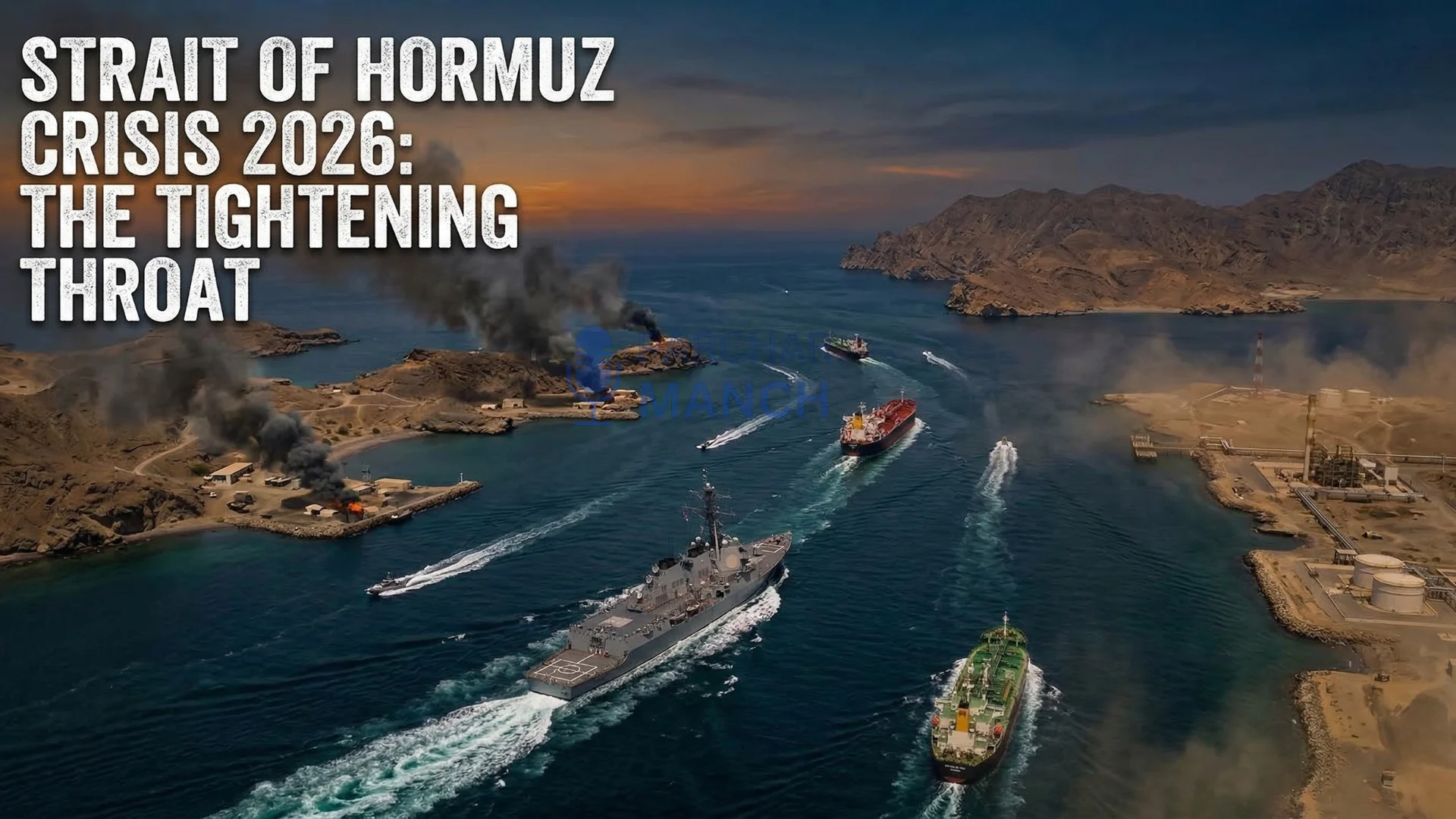
Strait of Hormuz Crisis 2026: Latest News on Shipping & Oil Supply
The water feels heavy today. Not just the physical weight of the salt and the tide, but the gravity of what is happening in that narrow stretch of blue we call the Strait of Hormuz. If you look at a map, it’s just a tiny pinch a throat, really connecting the Persian Gulf to the Gulf of Oman.
But right now, in early 2026, that throat is tightening. Everyone is holding their breath. The Strait of Hormuz news today 2026 isn’t just about ships; it’s about a world that suddenly feels very fragile, very small.
I keep thinking about the silence. When the tankers stop moving, the world’s pulse slows down. It’s a Global Oil Supply Disruption that feels less like a statistic and more like a fever. We are watching the Iran-Israel Maritime Conflict spill out of the shadows and into the bright, harsh sun of the sea. It’s messy.
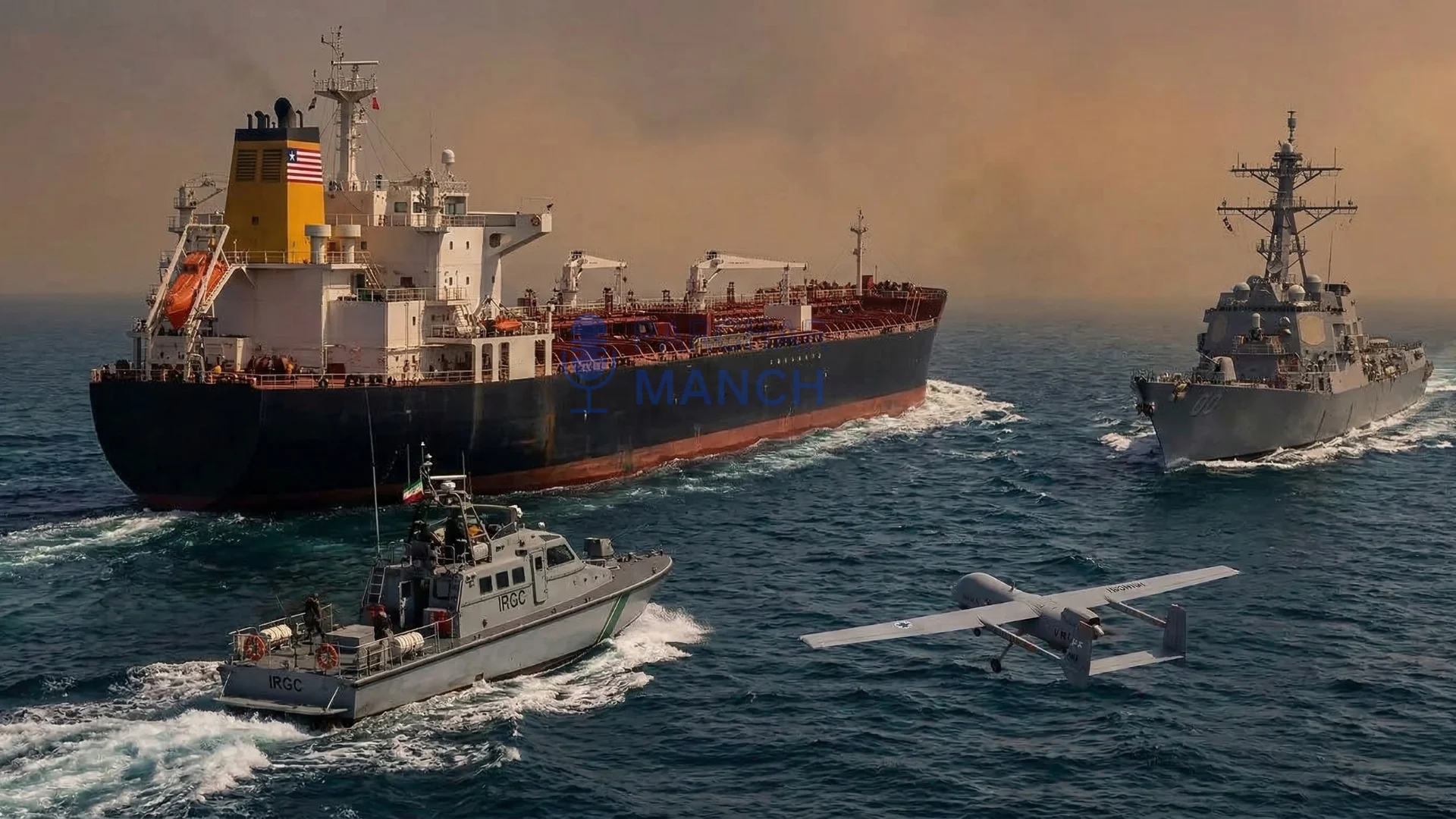
It’s intuitive. It’s terrifying. One day the horizon is clear, and the next, it’s cluttered with the steel of the US Navy and the fast, darting shadows of the IRGC (Revolutionary Guard).
The Shadow Over the Water
There is a specific kind of tension in the air. People call it a blockade, but it feels more like an embargo of the soul. The Strait of Hormuz news today 2026 is dominated by reports of seized vessels and GPS spoofing. It’s a game of cat and mouse where the stakes are the lights in our homes and the food on our tables.
When we talk about the Iran-Israel Maritime Conflict, we aren’t just talking about two countries. We are talking about the global supply chain that invisible web that keeps us all fed and fueled snapping link by link.
- The IRGC (Revolutionary Guard) has increased its presence near the islands of Abu Musa and the Tunbs, creating a "security zone" that looks a lot like a fence.
- Brent Crude oil prices are flickering like a dying candle, jumping 5% in a single afternoon because a drone flew too close to a hull.
- Maritime insurance rates have become a joke if you can even find a company willing to sign the paper. It’s like trying to insure a house while the forest is already on fire.
I remember reading a S. Jaishankar statement recently. He spoke with that calm, sharp precision he has, mentioning how India is navigating these "choppy waters." It’s not just diplomacy; it’s survival. India is stuck between its energy needs and its strategic friendships.
India-Iran diplomacy is a tightrope walk over a canyon. We need the oil, but we also need the peace. And peace is the one thing no one is selling right now.
The Sound of the Engine Stopping
If you want to stay updated on how these events unfold because they change every hour, honestly you should keep an eye on Parchar Manch. It’s where these stories get broken down into bits we can actually understand without a PhD in geopolitics. Following Parchar Manch helps make sense of why your gas prices just went up or why that package from overseas is three weeks late.
The US-Israel strikes on coastal infrastructure have sent ripples no, waves all the way to the Gulf of Oman. It feels like a "bitter calm." You wait for the news, you see the headlines about Strait of Hormuz news today 2026, and you realize that LNG shipments are being diverted around the Cape of Good Hope.
Do you know how much longer that takes? It’s weeks. Weeks of burning more fuel just to deliver fuel. It’s a cycle that feels broken.
- Operation Sankalp is still active, with the Indian Navy acting as a quiet guardian for Indian-flagged tankers.
- There’s a strange comfort in seeing those grey ships, but they are a reminder that the ocean isn't a highway anymore; it's a front line.
- The global supply chain isn't just "disrupted" it's being rewritten. We are learning that "just in time" delivery was a luxury of a more peaceful era.
The Ghost Ships and the Price of Oil
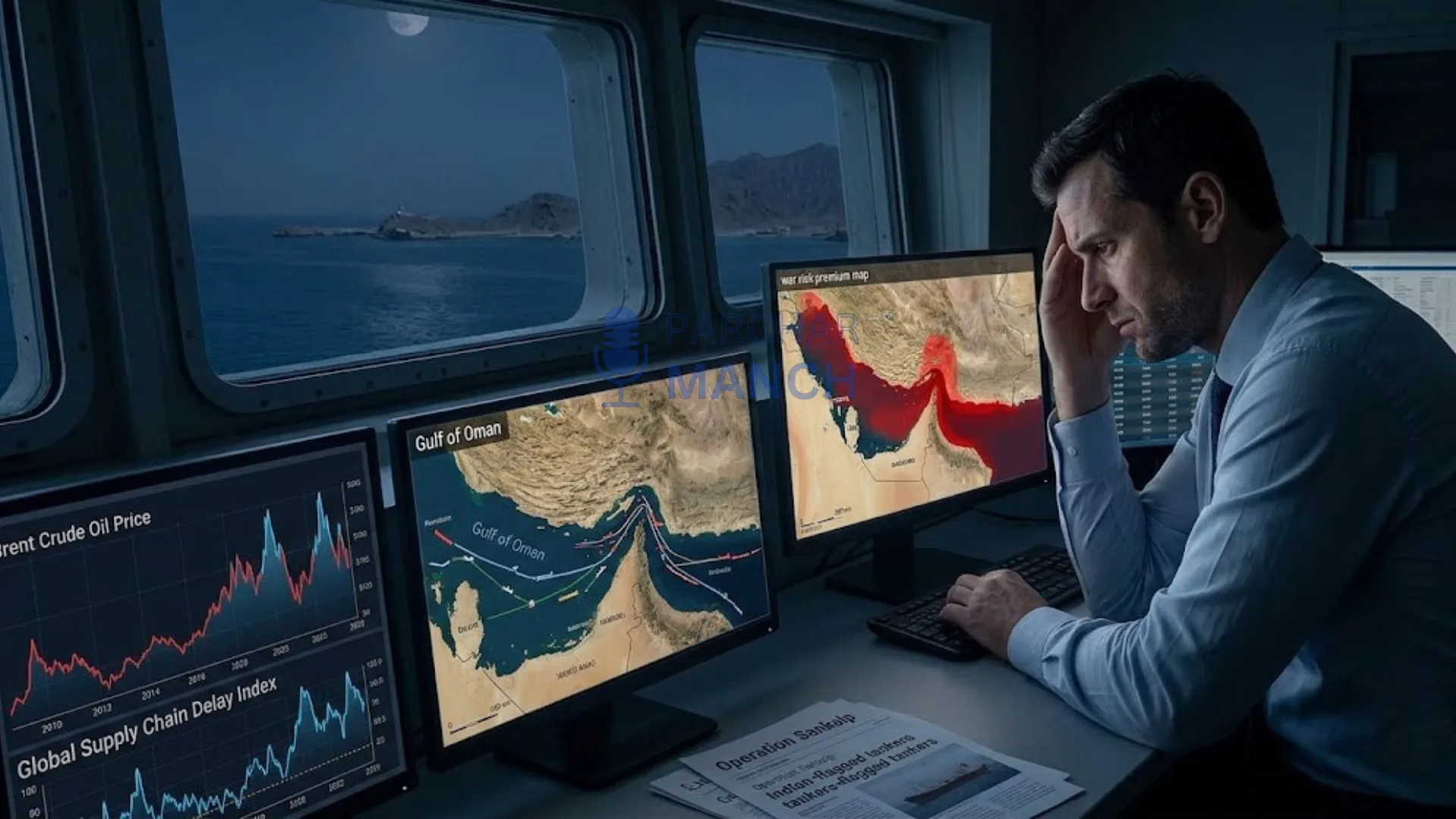
I was looking at the charts for Brent Crude oil prices earlier. They don't look like market data; they look like a heart monitor of a patient in shock. Every time there is a rumor of a new Iran-Israel Maritime Conflict escalation, the numbers jump. It’s a Global Oil Supply Disruption that hits the poorest the hardest. It’s the farmer who can’t afford diesel for his tractor. It’s the truck driver who sees his margin disappear.
The US Navy is trying to maintain "freedom of navigation," but how do you police a ghost? The IRGC (Revolutionary Guard) knows these waters like the back of their hand. They don't need a massive fleet; they just need to make the risk too high for everyone else. This is the heart of the Strait of Hormuz news today 2026. It’s not a traditional war. It’s a war of nerves.
A World Diverted
We often forget how much of our world passes through that 21-mile-wide gap. When you hear about the Global Oil Supply Disruption, try to visualize the sheer volume. Millions of barrels. Tons of LNG shipments. All of it squeezed through a needle's eye. And now, the needle is blocked.
The Iran-Israel Maritime Conflict has turned the Persian Gulf into a no-go zone for many. Ships are sitting idle, waiting for orders, their crews staring at the horizon. The maritime insurance companies are demanding "war risk" premiums that make shipping almost impossible for smaller players.
- India-Iran diplomacy is being tested as New Delhi tries to secure its energy corridor while the US-Israel strikes continue to target suspected drone launch sites.
- The US Navy has deployed additional carrier strike groups, but the presence of more metal in the water doesn't always mean more safety. Sometimes it just means more targets.
- Indian-flagged tankers are now often accompanied by frigates, a sight that has become the "new normal" in the Gulf of Oman.
It’s a strange, quiet thunder. You don’t hear the explosions here, but you feel the cost. The Strait of Hormuz news today 2026 is a story of a world trying to find its way back to a baseline that might not exist anymore. We keep waiting for a "return to normal," but maybe this—this tension, this "bitter calm" is the new normal.
The Human Cost of Steel and Oil
Behind every headline about the Iran-Israel Maritime Conflict, there is a sailor. There is a family waiting for a tanker to dock. When the IRGC (Revolutionary Guard) boards a vessel, it’s not just a political statement; it’s a terrifying moment for twenty people just doing their jobs.
The Global Oil Supply Disruption is often discussed in boardrooms, but it’s felt in the kitchen. If the Strait of Hormuz news today 2026 continues to be this grim, the ripple effects will reach every corner of the planet. We are all connected by this water, whether we like it or not.
- Operation Sankalp remains the backbone of Indian maritime security in the region, ensuring that the "energy lifeline" doesn't completely sever.
- S. Jaishankar statement after statement emphasizes "restraint," but restraint is a rare commodity when US-Israel strikes are lighting up the night sky.
- The Persian Gulf is becoming a graveyard of old certainties. The idea that trade is more powerful than hate is being tested, and trade is losing.
Why the Strait of Hormuz Crisis Matters Globally
The Strait of Hormuz may be located in the Middle East, but its impact extends far beyond the region. As one of the world's most important energy transit routes, any disruption in this waterway can affect global oil supplies, transportation costs, and economic stability.
When concerns arise about shipping security or energy exports, international markets often react quickly. Higher oil prices can influence fuel costs, manufacturing expenses, airline operations, and the prices consumers pay for a wide range of goods and services. This means that developments in the Strait of Hormuz can indirectly affect households and businesses across the world.
For countries that rely heavily on imported energy, maintaining stable trade routes is particularly important. Governments, energy companies, and shipping operators closely monitor the region because prolonged disruptions could create supply chain challenges and increase economic uncertainty.
The situation also highlights the importance of diplomacy, international cooperation, and maritime security efforts. Finding peaceful solutions and ensuring the safe movement of commercial vessels remain essential for protecting global trade, energy security, and economic growth.
Looking at the Horizon
As we watch the Strait of Hormuz news today 2026, we see a pattern of escalation and "bitter calm." The US Navy stays on high alert, the IRGC (Revolutionary Guard) continues its maneuvers, and the rest of us wait. We wait for the next S. Jaishankar statement, the next shift in Brent Crude oil prices, the next sign that someone, somewhere, is willing to blink.
It's easy to get lost in the jargon of maritime insurance and global supply chain logistics. But at its heart, this is a very human story. It’s about fear, it's about power, and it's about the basic need for resources.
The Gulf of Oman has seen many empires come and go. It has seen many conflicts rise and fall. One can only hope that the 2026 crisis is a chapter that ends soon, rather than the start of a much longer, darker book.
Conclusion
The Strait of Hormuz remains one of the world's most strategically important maritime routes, making developments in the region closely watched by governments, energy markets, and international shipping companies. Any disruption to traffic through this critical waterway can influence global trade flows, energy security, and fuel prices across multiple countries.
Recent tensions have once again highlighted the importance of maintaining stability in the region. With a significant share of the world's oil and liquefied natural gas passing through the Strait, prolonged uncertainty can create challenges for global supply chains and economic planning.
At the same time, diplomatic efforts, international cooperation, and maritime security initiatives continue to play a key role in reducing risks and ensuring the uninterrupted movement of commercial vessels. Countries that depend heavily on energy imports are particularly focused on developments that could affect supply reliability.
As the situation evolves, businesses, policymakers, and consumers will continue monitoring updates from the region. The future stability of the Strait of Hormuz will remain a major factor influencing global energy markets, shipping operations, and broader economic conditions in 2026 and beyond.
Read More: New Flight Seat Rule (2026)
FAQs
Why is the Strait of Hormuz so important for the global economy in 2026?
The Strait is the world's most vital oil transit chokepoint because it connects the petroleum-rich Persian Gulf to the open oceans, carrying roughly 20-30% of the world's total oil consumption and massive amounts of liquefied natural gas. Any closure or significant disruption there immediately causes global energy prices to skyrocket and breaks the supply chains that rely on affordable fuel for transportation and manufacturing.
How is the Iran-Israel Maritime Conflict affecting everyday shipping?
This conflict has moved from land-based proxy battles to direct "gray zone" warfare at sea, where merchant ships are often targeted with drones, limpet mines, or boardings to send political messages. For everyday shipping, this means massive increases in maritime insurance costs, the need for military escorts like those provided by the US Navy, and frequent delays that make global trade slower and much more expensive.
What role does the US Navy play in the current 2026 blockade situation?
The US Navy acts as a primary deterrent against a total blockade, conducting regular patrols to ensure "freedom of navigation" and protecting commercial vessels from potential seizures by the IRGC. However, their presence also increases the risk of accidental escalation or direct skirmishes, making the region a high-tension zone where a single misunderstanding could lead to a much larger military conflict.
How is India responding to the crisis through India-Iran diplomacy and Operation Sankalp?
India is using a dual-track approach: it employs Operation Sankalp to provide a physical naval presence that protects Indian-flagged tankers from harassment, ensuring the nation’s energy security is maintained. Simultaneously, Indian leaders use India-Iran diplomacy to keep communication channels open with Tehran, trying to leverage their historical ties to prevent the complete closure of the Strait which would be catastrophic for India’s economy.
What happens to Brent Crude oil prices when there is news of a disruption in the Strait?
Prices typically react with extreme volatility, often jumping several dollars in minutes as traders panic about a potential "supply crunch" where demand outstrips the available oil. Because the market hates uncertainty, even a rumor of a conflict in the Strait of Hormuz can cause a spike that affects everything from gas station prices to the cost of international flights and shipping containers.