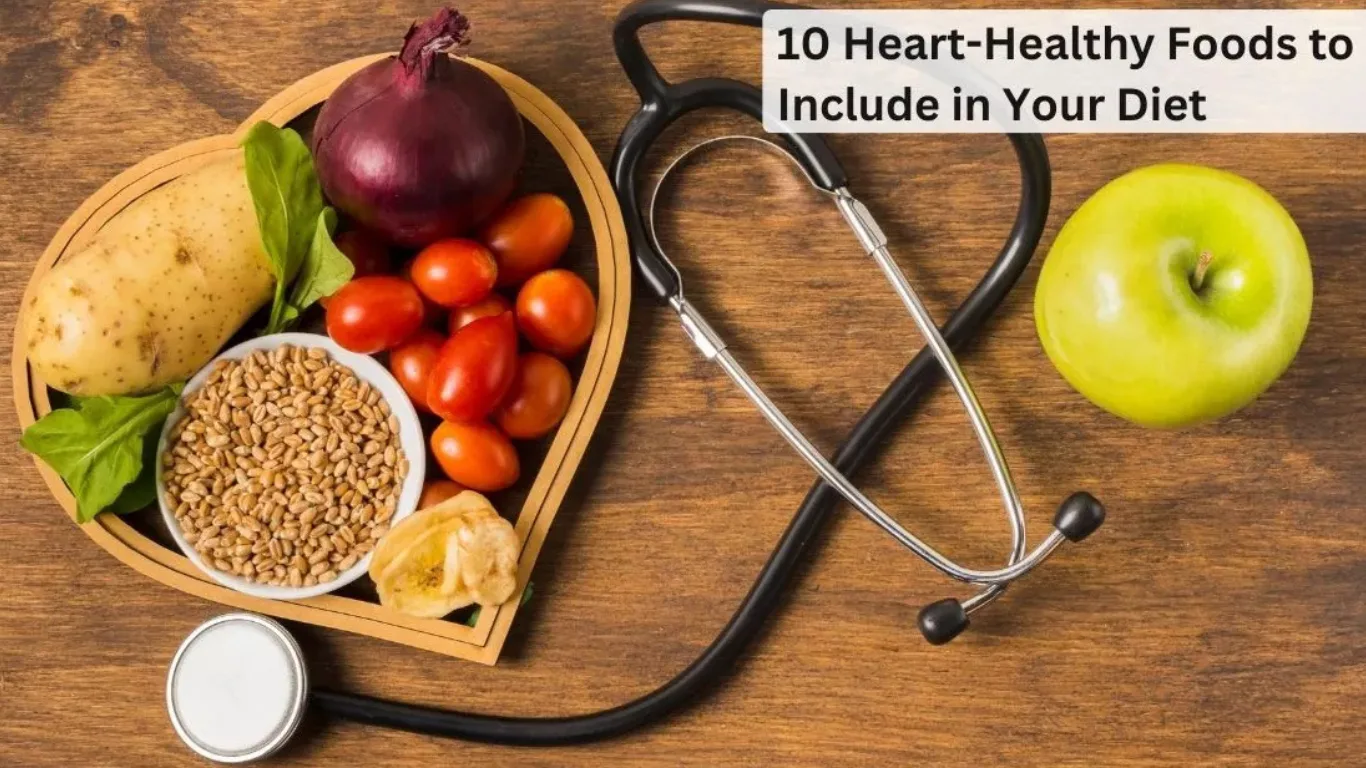
Heart-Healthy Diet: Foods to Eat and Avoid
Heart health often changes quietly. One may feel completely well, but high cholesterol levels, high blood pressure or a poor eating routine can slowly increase the risk of cardiovascular disease. This is why a sensible, healthy, heart-healthy diet is essential. It's not about eating bland food or cutting out every favourite meal. It's about forming daily routines around fruits, vegetables, whole grains, nuts, fish, beans, and healthy fats.
Why a Heart-Healthy Diet Plan Matters
A well-planned heart-healthy diet can help support healthy cholesterol and blood pressure levels, while also helping to maintain a healthy weight. The principle is straightforward: eating habits are more important than a single meal.
An effective heart-healthy diet will also help you reduce excessive sugar, salt, as well as saturated fats and highly processed foods. That's an area where the DASH lifestyle can be helpful. DASH diet is a good way to encourage fruits, vegetables, whole grains, as well as low-fat dairy, beans, nuts and lean protein, while limiting sodium and foods high in saturated fat.
What Should a Heart-Healthy Diet Plan Include?
Imagine the food you eat as a miniature map. A majority of it will be made up of plants and moderate amounts of protein as well as healthy fats.
A practical heart-healthy diet plan can include:
- Fruits and vegetables every day
- Brown rice, oats, whole-wheat roti, and other grains
- Peas, beans, lentils and peas
- Nuts and seeds that are in sensible portions
- Fish, in particular oily fish
- Unsweetened or low-fat dairy alternatives
- Healthy oils, such as mustard, olive, or groundnut oil, are used sparingly
It is believed that the Mediterranean eating plan for cardiovascular health is similar to the Mediterranean diet for heart health and includes fruits, vegetables and whole grains, as well as legumes, fish, nuts and unsaturated oils playing a significant role. A Mediterranean food plan to improve heart health is not just about one specific food, but more about a general eating plan.
Cholesterol, Sodium and Omega-3: The Details Matter
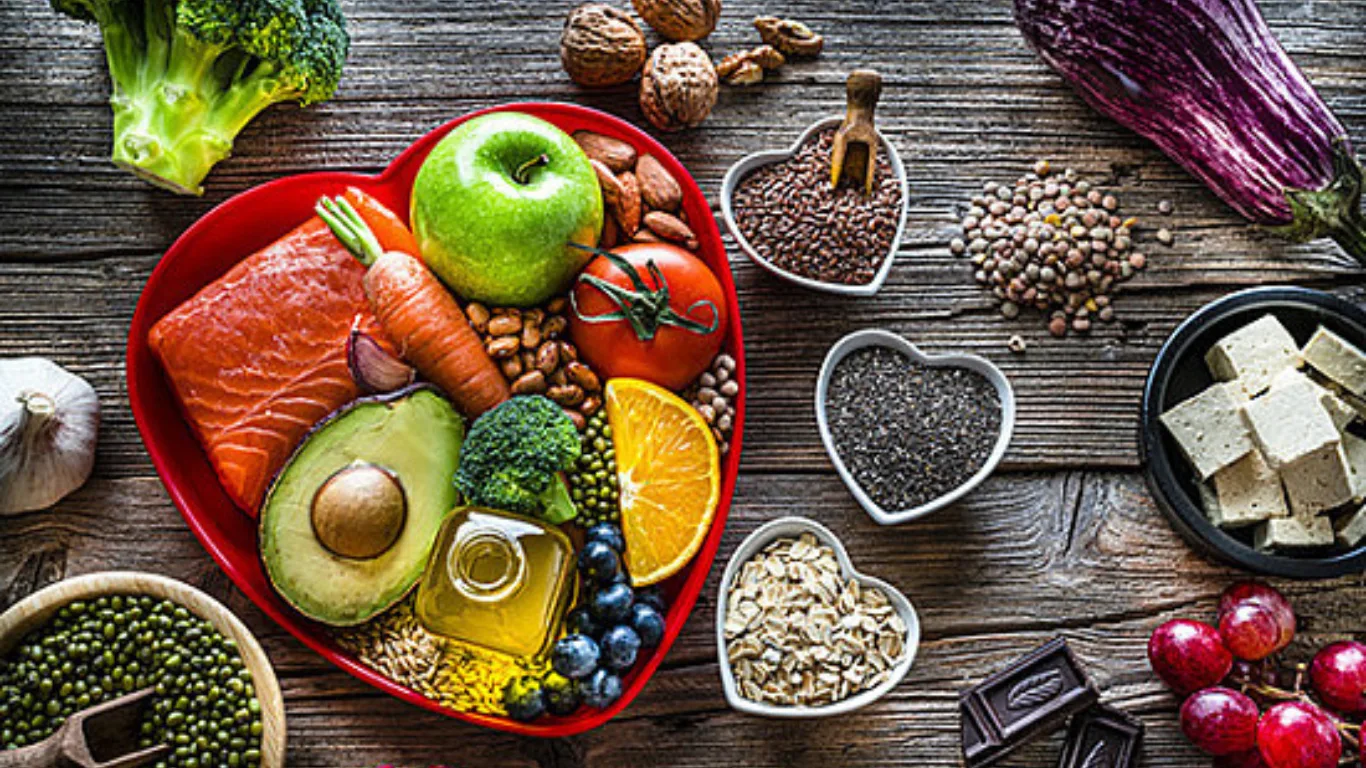
Some foods deserve special attention. Oats as well as beans, lentils, nuts, and other vegetables are examples of cholesterol-lowering foods since they contribute to a healthier diet and fibre. The thing is, cholesterol-lowering foods do not substitute for cholesterol medications prescribed by a doctor in cases where medically needed medication is required.
Salt is a different problem. The reduced sodium diet is particularly beneficial for those in need of more control of blood pressure. The term lower sodium intake doesn't mean that you do not use your salt shaker. Sauces, soups, packaged soups, instant noodles, processed meats, as well as salty snacks and a variety of food items in restaurants can have a lot of sodium.
Then there's fish. The fattier fish like mackerel, sardines, and salmon contain omega-3 fats. The evidence on omega-3 and heart health suggests the consumption of fish as an element of a healthy and balanced diet instead of assuming that supplements are always more beneficial. Omega-3 intake to improve heart health should be considered within overall dietary patterns.
Must read: Superfoods for Brain Health and Memory Improvement
A Simple Heart-Healthy Diet Plan for One Day
Breakfast might be oatmeal with fruits and a tiny portion of nuts. Lunch could be salad, dal, vegetables, and whole wheat Roti. To snack, opt for fruits, nuts that aren't salted or plain yoghurt instead of processed foods.
A meal that is part of the healthy heart diet could consist of grilling or lightly cooking fish, vegetables, and brown rice. For vegetarians, chickpeas, beans and tofu can be a good source of protein.
It is believed that the Mediterranean diet, to support heart health, may inspire similar meals, and the DASH diet will help in situations where blood pressure control and sodium are essential.
Foods to Limit or Avoid
A healthy heart diet should restrict foods high in saturated fats, trans fats, sodium, and added sugar and trans fat.
This means avoiding fast food that is fried, processed meats, drinks that are sugary, chips and desserts packaged in a box and excessive cream, butter and salted food items as occasional options instead of everyday staples.
It doesn't mean that the cake you eat will ruin your diet. It's not true. The pattern is important.
Select foods that reduce cholesterol more often, adhere to a lower-sodium diet whenever possible and also include sources of omega-3, essential for heart health, like oily fish.
Common Mistakes People Make
A common mistake is thinking"healthy" means unlimited; "healthy" automatically means unlimited. Oils, nuts and even healthy carbohydrates are full of calories, and therefore portions have a bearing on the outcome.
Another mistake is focusing solely on the cholesterol level while not considering sodium. A more heart-healthy diet includes cholesterol, blood pressure and the weight of the person, their blood sugar levels and the overall quality of your diet.
Some people also make the switch to supplements after learning about omega-3 supplements for the health of their hearts. Food should be the primary focus unless a doctor recommends supplements.
In the same way, adding additional food items that lower cholesterol as you continue to consume lots of processed food could not bring about the improvement people expect.
Practical Tips That Make Healthy Eating Easier
Start with a smaller amount. A long-term healthy heart diet may start by replacing sodas and other sugary drinks with water, adding servings of vegetables, making a habit of eating whole grains frequently and reducing the amount of processed snacks.
Utilise lemon, herbs, garlic, and other spices to help make a lower-sodium lifestyle easy to adhere to. Check the labels on food items, particularly for saturated fat and sodium.
If you like Indian food, there's no reason not to give it up. Dal and rajma, chana, curd, roti, vegetables and fish can easily fit into a healthy and heart-healthy diet in the event that cooking techniques and serving sizes are appropriate.
The DASH diet, Mediterranean diet, cholesterol-lowering foods, low-sodium diet, as well as foods that provide omega-3 for heart health, all help achieve the bigger goal of a regular and balanced eating plan.
Must read: 7 Superfoods That Can Help You Achieve Healthy, Glowing Skin Naturally
FAQs
Does a heart-healthy vegetarian diet plan?
It could be. Dal, chickpeas, beans and soya nuts, seeds, vegetables, whole grains and fruits could form the basis of a heart-healthy diet.
Do foods that lower cholesterol suffice to lower cholesterol?
It's not always. Cholesterol-low foods may help; however, the genetics of your body, weight, as well as medical conditions and prescriptions can also play a role.
Do you think the DASH diet is suitable for people with high blood pressure?
The DASH diet is designed specifically to promote a healthy eating style that promotes good blood pressure, specifically by reducing sodium levels and eating nutrient-rich food items.
How do you know the Mediterranean diet for heart health?
The Mediterranean diet for heart health emphasises fruits, vegetables, whole grains, legumes, as well as fish, nuts and unsaturated fats, while limiting highly processed food items.
Does a diet with low sodium refer to that there is no salt?
No. A moderate sodium intake involves reducing the total sodium consumption. A large portion of sodium is found in packaged and prepared food items as well as table salt.
Should everyone be taking omega-3 supplements?
Not necessarily. Omega-3 is a component of heart health that is a common ingredient in foods like oily fish. It is recommended to discuss any supplementation with a medical expert, especially if you are taking medications.