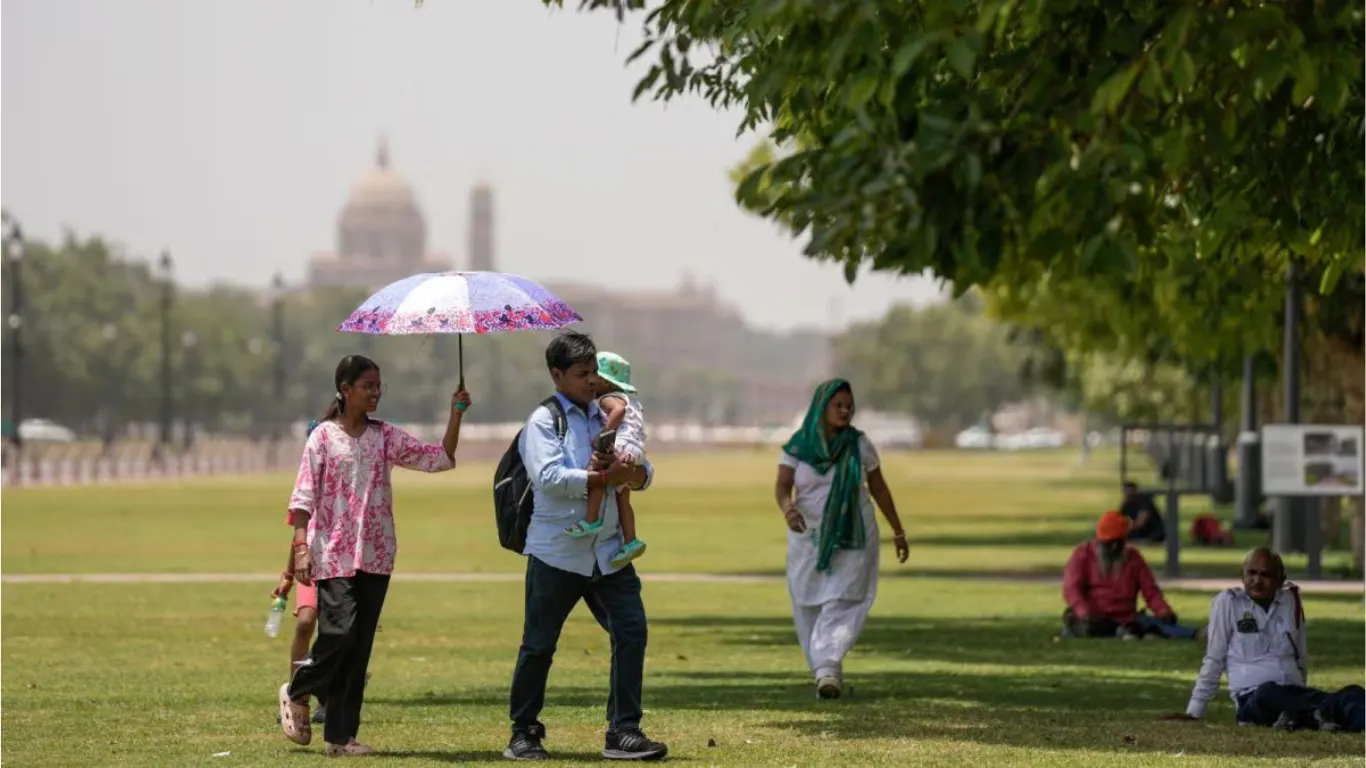
Heatwave Alert for Delhi, UP, Punjab, Haryana: What IMD's Orange and Red Warnings Mean for You Over the Next 5 Days
It is not just hot. Banda hit 48.2 degrees Celsius. That is the kind of number that stops you mid-sentence.
The Heat Has Arrived and the IMD Is Not Being Subtle About It
The India Meteorological Department (IMD) heatwave alert issued this week covers a vast stretch of the country, and the language being used is unusually pointed. North-West and Central India are under active warnings, and the forecast is clear: no meaningful relief for at least five days.
Delhi, Punjab, Haryana, and Chandigarh are under an orange alert, which in IMD's colour-coded system means residents should "be prepared" for severe heatwave conditions. Orange is not the most severe warning. It is the second most. Red has been issued for parts of Uttar Pradesh, Madhya Pradesh, and Vidarbha, and red means "take action."
For anyone living in these states right now, this is not abstract weather data. This is about the next few days of their lives.
What These Temperature Numbers Actually Mean on the Ground
Delhi's daytime temperatures are sitting between 44°C and 45°C, with some pockets touching 46°C. The national capital recorded its first official heatwave day of the month on Tuesday, and the IMD upgraded its warning from yellow to orange on Wednesday. That upgraded status is expected to hold for five days.
Read More: Google's REPLIQA Program: How Quantum AI and Life Sciences Are About to Change Medicine Forever
Meanwhile, in Uttar Pradesh, the district of Banda in Bundelkhand hit 48.2°C. That is one of the highest temperatures recorded anywhere in Asia this month. Asphalt softens at those temperatures. Metal surfaces become dangerous to touch. Prayagraj was at 45.8°C. Jhansi, Agra, and several other UP districts are under active red warnings, including Firozabad, Etawah, Jalaun, Hamirpur, Mahoba, Fatehpur, Auraiya, Chitrakoot, and Kaushambi.
The red warning is not just a number on a map. It means the administration in those districts is expected to activate emergency protocols, including heat action plans, cooling centres, and public health advisories.
Why Night Is No Longer a Relief From the Heat
One of the less-discussed aspects of this heatwave cycle is the warm night conditions being reported across UP, Madhya Pradesh, and Vidarbha. Normally, nighttime temperatures drop enough to give some physiological relief. That is not happening consistently right now.
In Delhi, the minimum temperature at Safdarjung was 28.3°C, nearly two degrees above the seasonal normal. Palam recorded 28.5°C at night. When nights stay this warm, the body cannot recover from daytime heat exposure, and heat stress accumulates across multiple days. This is when heatwave-related illness becomes genuinely dangerous, not just uncomfortable.
The IMD has flagged warm night conditions specifically as a compounding factor, and it is worth taking seriously.
What the Orange and Red Alerts Mean and What You Should Do
The IMD's colour-coded system breaks down as follows: yellow means "be aware," orange means "be prepared," and red means "take action." The distinction matters because each level carries different implications for how you should spend your day.
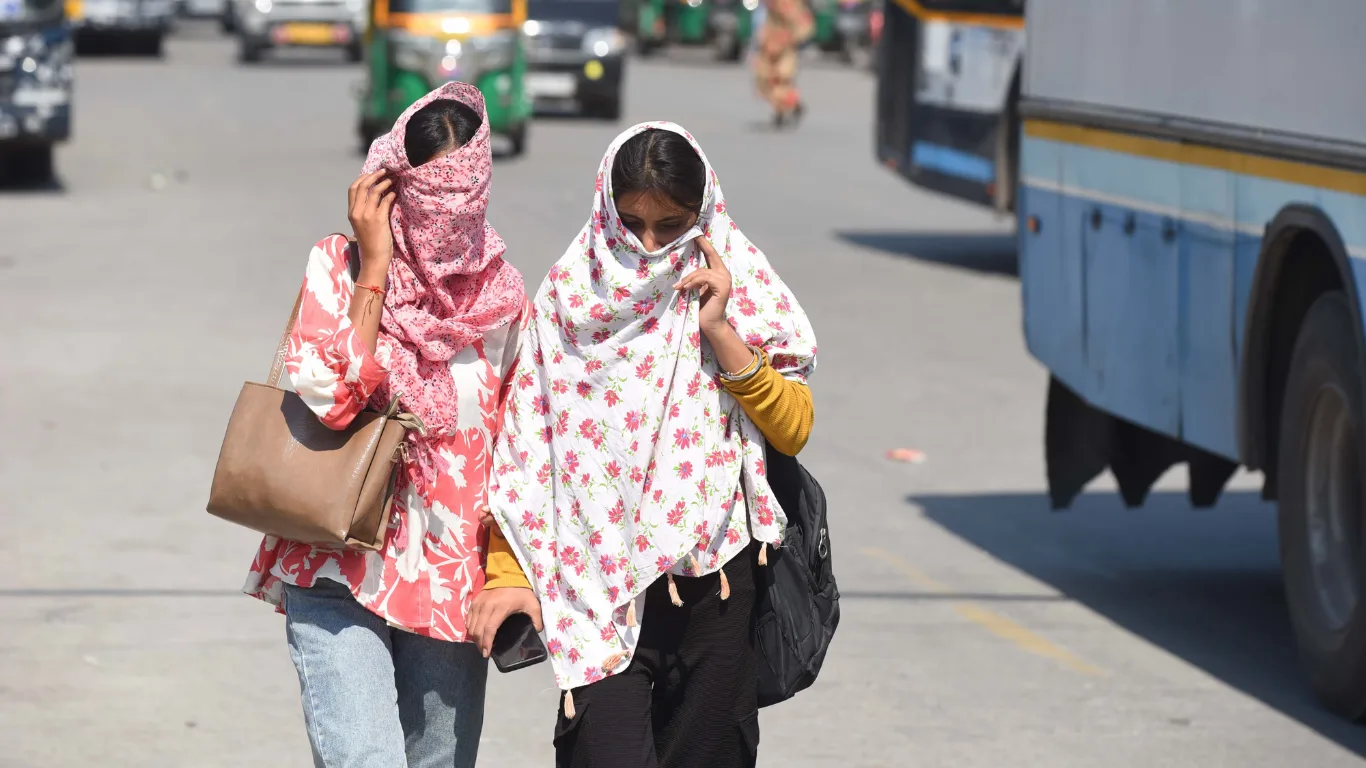
Under an orange alert, the advice is to avoid outdoor activity during peak heat hours between 11 am and 4 pm, stay hydrated consistently, wear light-coloured loose clothing, and check on elderly family members and young children who are more vulnerable to heat illness. Livestock and outdoor workers face heightened risk too.
For districts under a red alert, particularly in UP, local authorities are expected to open cooling shelters, ensure water availability at public places, and issue direct advisories to halt non-essential outdoor work during the hottest parts of the day.
The El Nino Factor: Why 2026 Feels Different
The IMD has flagged the likely development of El Nino conditions in the Pacific Ocean this year. El Nino, in the simplest terms, is a warming of sea surface temperatures in the central and eastern Pacific that disrupts global atmospheric circulation. For India, historically, it has meant weaker monsoons, intensified pre-monsoon heat, and prolonged dry spells. India saw this pattern in 1987, 2002, 2009, and 2015.
If El Nino strengthens through 2026, this heatwave may not be a peak event. It may be a preview of what the summer as a whole looks like.
How Delhi's Infrastructure Is Already Struggling
The heat is also doing visible damage to urban systems. Delhi's peak power demand hit 7,776 MW at 3:30 pm on Tuesday, surpassing the previous day's record of 7,600 MW. Air conditioners running at full capacity across homes, offices, and hospitals are pushing the grid hard. The Delhi AQI slipped to 336 on Tuesday, placing it in the "poor" category, prompting authorities to activate Stage 1 of GRAP. It had improved slightly to 177 by Wednesday morning, but evening conditions can reverse that quickly when heat and dust combine.
Closing Thoughts
A heatwave at this scale is not something you wait out quietly. It asks something of you: preparation, awareness, care for the people around you. The IMD's five-day warnings give enough lead time to act. The question is whether the information gets where it needs to go fast enough, to the daily-wage worker in Banda, to the student without a fan in a UP hostel, to the elderly person in a top-floor flat in Delhi with no cross-ventilation.
The temperature will come down eventually. The monsoon will arrive. But between now and then, these five days matter.
Disclaimer: This article is based on information available across the web. Parchar Manch does not take responsibility for its complete accuracy, as the content could not be fully verified.
Read More:Himanta Biswa Sarma Resigns as Assam CM: What Comes Next and Why This Moment Is Bigger Than It Looks
FAQs
What does the IMD orange alert for Delhi mean?
An orange alert from IMD means residents should "be prepared" for severe heatwave conditions. It advises avoiding outdoor activity during peak heat hours, staying hydrated, and monitoring vulnerable individuals.
Which states are under red heatwave alert?
Parts of Uttar Pradesh, Madhya Pradesh, and Vidarbha are under red alerts as of this week. The red alert means "take action," triggering emergency heat response protocols by local administrations.
Why is UP's Banda so much hotter than Delhi?
Banda in Bundelkhand sits in a dry interior region with minimal vegetation and no nearby water bodies to moderate temperatures. It consistently records some of the highest temperatures in North India during May heatwaves.
What are warm night conditions and why are they dangerous?
Warm night conditions occur when overnight temperatures remain significantly above normal, preventing the body from recovering from daytime heat exposure. They increase the risk of cumulative heat stress and heat-related illness over consecutive days.
How long will the heatwave last?
IMD forecasts severe heatwave conditions across North-West and Central India through at least May 25, 2026. No significant relief is expected within the five-day warning window currently active.
What is El Nino and how does it affect India's heatwaves?
El Nino refers to warming of sea surface temperatures in the Pacific Ocean that disrupts global weather patterns. For India, it typically brings weaker monsoon rainfall, intensified pre-monsoon heat, and prolonged dry conditions.