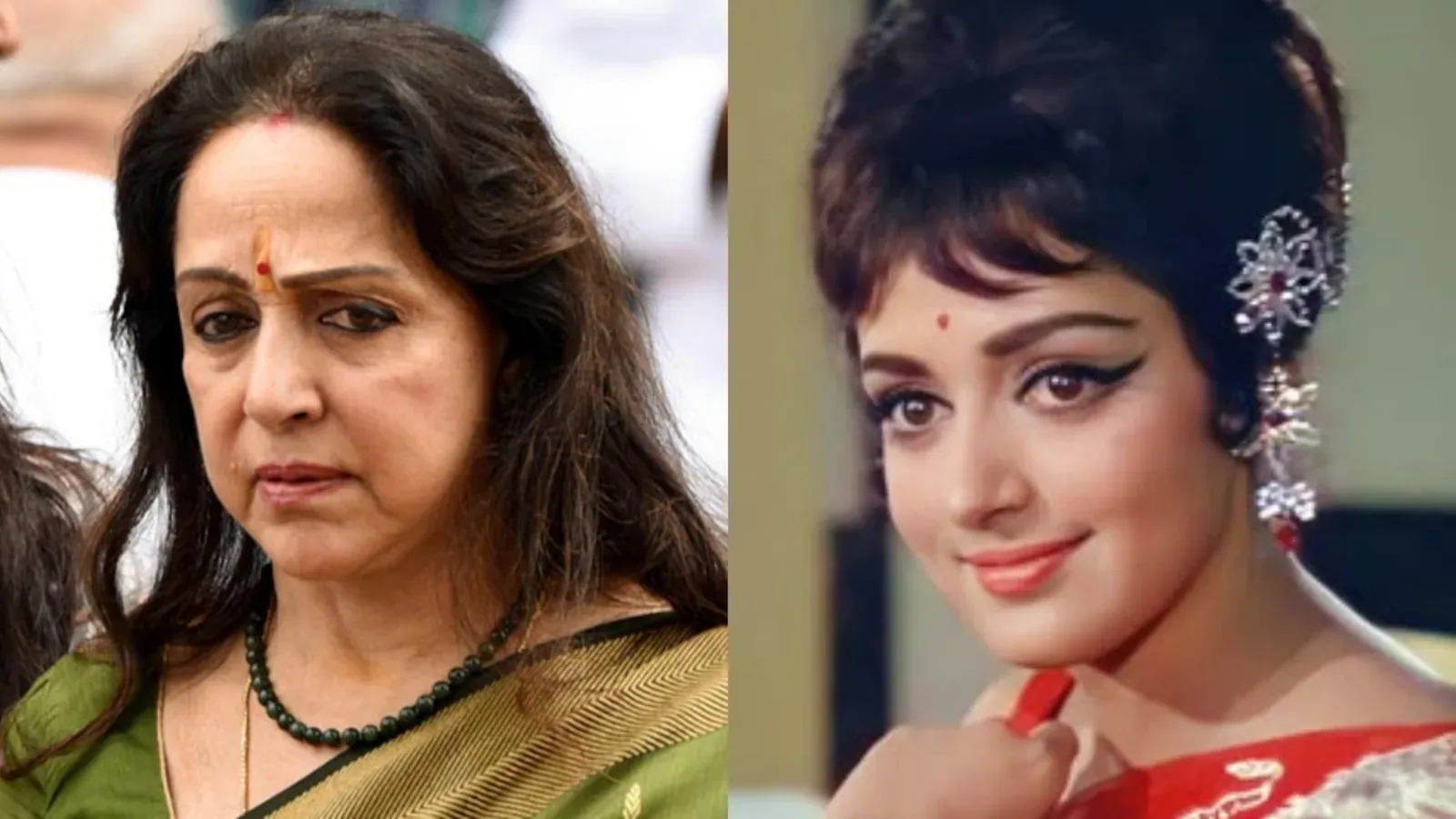
Hema Malini Denies Being the Highest-Paid Actress of Her Era, Here's What She Actually Said
"Kisne bola yeh?" Who said that? That's how Hema Malini responded when asked, point blank, whether she'd been Bollywood's highest paid actress during her prime. Not a polished PR answer. Not a careful dodge. Just genuine surprise, the kind that tells you the rumor had been circulating far longer than she'd realized. The Hema Malini highest paid actress claim, one that's followed her for decades, got a direct and rather candid correction this week, straight from her.
Speaking on a podcast, the actress who dominated Hindi cinema through the 1970s and into the early 1980s said, plainly, that she never earned anywhere close to what people assumed. Actors in her era, she explained, were paid modest amounts, nothing resembling the fees stars command today. And money, she was careful to add, was never actually why she made films in the first place.
Why This Actually Matters, Beyond Old Bollywood Trivia
You might wonder why this deserves real attention rather than a passing celebrity quote. Here's the honest answer. This isn't just nostalgia, it's a rare, firsthand correction of film industry history from someone who actually lived it. Public assumptions about star salaries tend to calcify into accepted fact over decades, repeated so often nobody questions them anymore. When the person at the center of that assumption steps in and says, no, that's simply not accurate, it's worth paying attention, both for what it reveals about her, and about how differently the film business actually operated back then.
There's also something genuinely useful here about how success and compensation don't always move together, a pattern that still shows up across creative industries today.
What She Actually Revealed, Explained Simply
Think of Bollywood's payment structure in the 1970s like a much smaller pie, split among fewer, less commercially aggressive negotiations. Hema Malini explained that as her popularity grew, her fees increased only slightly, nothing dramatic, nothing close to today's headline-grabbing signing amounts. She emphasized that directors and producers genuinely liked working with her, but that admiration never translated into the massive paychecks people now assume she received.
What stood out most in her account wasn't the numbers, it was the attitude behind them. She described accepting whatever a production could reasonably afford, without ever pushing back or threatening to walk away over money. That's a strikingly different negotiating posture compared to how modern star fees typically get discussed and disputed today.
How Her Financial Arrangements Actually Worked, Step by Step
- Producers set the budget first: Hema said she never demanded a fixed amount before agreeing to a film, she worked within whatever a producer could genuinely afford.
- Her mother managed negotiations: All financial discussions with producers were handled by her mother, described as remarkably accommodating toward budget constrained filmmakers.
Read More: Russia Launches Progress MS-34 Cargo Ship to the ISS, Delivering Over 2.5 Tonnes of Vital Supplies

- Payments came modestly, and simply: She recalled receiving payments in simple envelopes, comparing the experience to receiving alms, a detail that says a lot about how differently money was treated back then.
- Fees rose gradually with reputation: As her name grew bigger within the industry, compensation increased incrementally, never in the dramatic leaps associated with today's star economics.
- Recognition mattered more than income: She described the experience and respect gained from her films as a form of earning that outweighed the actual money involved.
Real Context Behind This Conversation
This podcast appearance touched on more than just her finances. Hema Malini also spoke about her late husband, veteran actor Dharmendra, who passed away in November 2025, reflecting on her enduring bond with his sons, Sunny Deol and Bobby Deol. That personal backdrop matters here, this wasn't a defensive clarification issued to protect a reputation, it read more like an unguarded, reflective conversation about a life spent in an industry that's changed dramatically around her.
Hema made her acting debut in 1968 with Sapno Ka Saudagar and went on to headline films like Seeta Aur Geeta, Sholay, and Baghban, cementing her status as one of Hindi cinema's most enduring stars, alongside her later work as a filmmaker, Bharatanatyam dancer, and sitting Member of Parliament.
Read More: Shreyas Iyer on His Career: From BCCI Contract Snub to India's White-Ball Captaincy Race
Mistakes People Make Assuming Old Bollywood Pay Scales
The most common one, applying today's star economics backward onto a completely different era. Film budgets, marketing scale, and even how stardom itself translated into money were structured entirely differently decades ago. Another mistake, assuming a star's cultural dominance automatically meant financial dominance, this account is a clear reminder that those two things don't always align.
Pro Tips for Understanding Bollywood's Pay History Accurately
If you're genuinely curious about how compensation has evolved in Hindi cinema, look for firsthand interviews from veteran actors rather than relying on decades-old assumptions repeated across entertainment sites. And when comparing eras, focus on relative context, adjusted for industry size and budgets at the time, rather than raw numbers, which almost never translate meaningfully across generations.
Closing Thoughts
There's something quietly disarming about a legend correcting the record on her own terms, without defensiveness, without spin. Maybe that's the real takeaway here, the biggest names in any industry aren't always the ones who benefited the most from it, and sometimes it takes decades, and one honest podcast conversation, to say so plainly.
Read More: Virat Kohli Becomes First Batter to Score 9000 Runs in IPL History: A Record Nobody Else Is Close To
Disclaimer: This article is based on information available across the web. Parchar Manch does not take responsibility for its complete accuracy, as the content could not be fully verified.
FAQs
Did Hema Malini confirm she was Bollywood's highest-paid actress?
No, she directly denied this, saying she never received the kind of fees people assumed and that actors in her era were paid modestly.
Why did Hema Malini never negotiate higher fees?
She said money was never her priority, and her mother, who managed her finances, was accommodating toward producers with limited budgets.
When did Hema Malini make her acting debut?
She debuted in 1968 with Sapno Ka Saudagar and went on to star in iconic films including Sholay and Seeta Aur Geeta.
What else did Hema Malini discuss in this podcast?
She also reflected on her late husband Dharmendra and her relationship with his sons, Sunny Deol and Bobby Deol.
What is Hema Malini's role today?
Beyond her acting legacy, she currently serves as a Member of Parliament and was honoured with the Padma Shri in 2000.