Election Campaigns 2026: How They Shape Public Opinion and Voting Behaviour
In 2026, election campaigning is more lively, visible, and influential than ever before. When we talk about Election Campaigns 2026, we are talking about the strategies and actions that political parties and candidates use to shape public opinion and win voter support.
In many countries , with voters young and old, city and village , campaigns have become powerful forces in deciding how people think about issues, parties, and policies.
But how exactly do Election Campaigns 2026 influence the way voters think and act? How much power do campaign messages have on the choices people make on polling day?
This detailed guide explains it all in simple, easy language that anyone can read and understand. We will explore how modern campaigning works, why it matters, and how it affects individual voters and society as a whole.
What are the Election Campaigns 2026?
Before we dig into influence and impact, it helps to understand what we mean by Election Campaigns 2026. At its core, an election campaign is the organised effort by political parties or candidates to reach voters and convince them to support their ideas and vote for them.
These campaigns include many activities like speeches, debates, messaging, advertisements, rallies, and outreach programs.
In 2026, campaigns will be carried out not only in big meetings but also online. This mix of real‑world events and online messaging means that voters get exposed to political communication more times and in more places than before.
Key parts of Election Campaigns 2026 include:
- Creating strong, persuasive messages to present political views.
- Holding large public rallies where leaders speak to crowds.
- Launching social media campaigns to reach people directly on phones and computers.
- Planning campaign funding events to support voter outreach.
- Understanding how people think and react is what we can call voter psychology.
Why Election Campaigns Matter for Public Opinion
At its core, an election campaign is a structured form of communication. It creates a continuous dialogue between political leaders and voters, where ideas, promises, and expectations are exchanged and interpreted. In this way, Election Campaigns 2026 play a central role in shaping how political conversations unfold in the public space.
Public opinion refers to the overall views, attitudes, and perceptions held by the majority of voters toward candidates, parties, or key issues. These opinions are not formed in isolation—they are influenced by repeated exposure to campaign messages, speeches, debates, advertisements, and media coverage.
When political leaders address topics such as economic growth, employment, healthcare, or public welfare, the framing of these issues strongly affects how citizens understand and evaluate them. Similarly, campaign slogans, visuals, and narratives are designed to leave a lasting impression, often shaping how voters emotionally connect with a party or candidate.
Over time, these combined messages influence not only what people think, but also how they think about political choices, ultimately playing a significant role in voting behaviour and decision-making during elections.
Read More: Key Parliament Updates 2026: Bills Passed, Debates Held, and Policy Decisions Explained
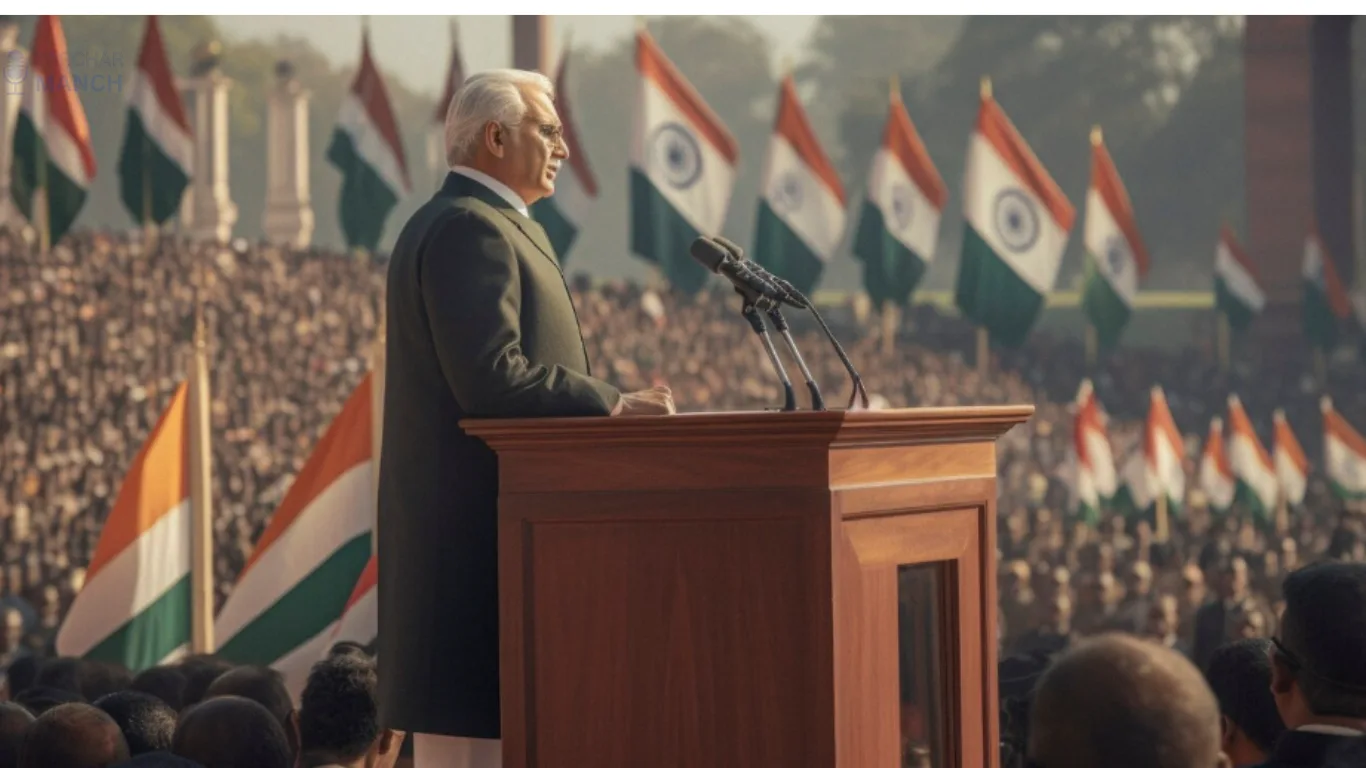
When social media posts go viral, conversations begin in homes, schools, and workplaces. All of this is part of how Election Campaigns 2026 shape public opinion.
How Strategies Shape Voting Behaviour
Voting behaviour is the way people ultimately decide to vote. It is the result of many factors , personal experience, family traditions, local issues, media exposure, and, of course, what they hear during election campaigns.
Here are some major ways Election Campaigns 2026 influence voting behaviour:
1. Messaging and Repetition
Campaign messages are repeated again and again , in speeches, banners, media coverage, and online posts. When people hear the same phrase often enough, it starts to feel familiar.
Research shows that familiarity can make voters more comfortable with a candidate or party, increasing the chance that they will support them on voting day.
2. Emotional Appeals
Campaigns often aim not just at the mind, but at the heart. Sad stories about hardship, hopeful promises about the future, or strong patriotic themes , these emotional messages can influence how voters feel about a candidate more than what they know.
These emotional appeals are a major reason why the Election Campaigns 2026 are so powerful. People do not decide only with logic , emotions matter in shaping decisions, especially in politics.
3. Issue Framing
Issue framing refers to how a campaign chooses to present a public concern. For example, one party may frame unemployment as a failure of government policy, while another frames it as a problem caused by global economic conditions.
How issues are framed can lead voters to see the same topic in very different ways.
4. Targeting Specific Groups
Modern campaigns are not one size fits all. Through sophisticated research and outreach, parties and candidates tailor messages to specific groups , youth, women, workers, farmers, urban residents, or professionals.
Read More: Comprehensive Election News 2026: Candidates, Campaign Updates, Poll Trends, and Results
These specialised messages speak directly to the interests and concerns of each group, often making the appeal more persuasive.
5. Influence of Leaders and Influencers
Leaders, celebrities, and public figures have their own influence. When they endorse a candidate or speak on a topic, they shape opinions and behaviour. This influence can sometimes be stronger than the formal campaign messages from parties themselves.
Role of Social Media in Shaping Opinion in 2026
Without question, one of the biggest changes in modern elections is the role of social media campaigns. Platforms like Facebook, Instagram, TikTok, and Twitter are major battlegrounds for political ideas and attention.
Social media has changed campaigns in several ways:
- Messages can reach millions of people instantly.
- Users can share content with their own networks, amplifying reach.
- Campaigns can run targeted ads to specific demographic groups.
- People react in real time , likes, shares, videos, and comments become part of public opinion.
This has made social media a powerful tool in 2026. Instead of listening to one message on TV, voters see many small pieces of information every day on their screens. This constant flow of content affects how people think about candidates and issues.
Public Rallies and Grassroots Engagement
Even in an era of digital campaigning, in‑person events remain important. Public rallies are gatherings where candidates speak directly to voters, respond to questions, and show support in a real-world setting.
These rallies help voters feel connected to the people running for office. They also create media coverage that can influence public opinion.
Grassroots engagement , direct contact with voters in communities , still plays a crucial role in influencing behaviour. When campaign volunteers visit homes, attend local meetings, or organise community programs, voters often feel heard and valued.
This personal interaction can strongly shape how people think about a candidate.
Understanding Voter Psychology in 2026
A lot of the power of election campaigns comes from understanding voter psychology , why people think the way they do and what influences their decisions.
Voters are influenced by:
- Personal experiences, like job status or healthcare access.
- Family and community opinions.
- Emotional responses to campaign messages.
- The sense of trust or distrust in leaders.
- Cultural identity or social values.
Read More: Impact of Government Policies 2026 on Businesses, Housing, and Healthcare Decisions

Campaigns that understand these psychological factors are often more successful. They can craft messages that speak directly to people’s hopes and fears. In 2026, many political campaigns have invested heavily in understanding these human factors to communicate more effectively.
Impact of Campaign Funding on Public Opinion
Money plays a key role in modern politics. Campaign funding determines how far a candidate’s message can travel. More funds allow bigger advertisements, more staff, better digital tools, and broader outreach.
However, money also affects public perception. When voters see big campaign ads from a well‑funded candidate, they may assume that the candidate is serious, credible, or powerful.
At the same time, concerns about money can also shape opinion , some voters criticise wealthy campaigns for influencing politicians too much or for being out of touch with ordinary people.
Thus, funding is not just a financial tool , it has psychological and social influence as well.
Media Coverage and Election Promotion
Media outlets , TV, newspapers, online news sites , play a significant role in shaping public opinion during elections. Through election promotion, the media highlights certain stories, covers debates, interviews, and informs voters about events. What media chooses to emphasise can influence public perception of candidates and issues.
Media also interacts with campaigns in complex ways. Sometimes campaigns set news agendas through strategic messaging, while at other times media independently highlight breaking issues that influence campaign direction.
In the 2026 election campaigns, the media remains a bridge between political communication and public awareness. Clear, accurate, and unbiased coverage can help voters make informed decisions. Biased or misleading coverage can distort perceptions.
How Election Campaigns Affect Voting Behaviour
So far, we have talked about opinion and psychology , now let us connect these to voting behaviour , the choices people make when they go to the ballot box.
Read More: Latest Election Campaign Updates 2026: Strategies, Promises, and Voter Outreach Programs

Here are some major ways Election Campaigns 2026 shape how people vote:
1. Reinforcement of Beliefs
For many people, campaigns reinforce what they already believe. If someone has supported a party for years, a steady stream of campaign messages can strengthen that loyalty and make them even more likely to vote.
2. Persuasion of Undecided Voters
There are always voters who are undecided until the final weeks or days of an election. Through repeated messages, emotional appeals, direct engagement, and media influence, campaigns aim to persuade these voters. This group is often the most targeted in elections and can determine close outcomes.
3. Motivating Voter Turnout
Campaigns do not just deliver messages , they also encourage people to show up and vote. Calls to action, reminders of polling dates, and community mobilisation efforts all influence whether people go to the polls at all.
4. Shaping Perceptions of Candidates
Campaigns build narratives about each candidate , their strengths, weaknesses, character, loyalty, and vision. Strong narrative campaigns can shift how voters see a candidate, influencing their behaviour on election day.
5. Responding to Events
Sometimes events outside the campaign , crises, economic changes, social movements , interact with campaign messages to influence behaviour. Campaigns that respond quickly and empathetically to these changes can shift public behaviour in their favour.
Challenges and Questions about Influence
While campaigns shape public opinion and voting behaviour, there are concerns:
- Misinformation is a challenge , incorrect or misleading political information can influence beliefs unfairly.
- Over‑targeting may invade privacy when campaigns collect too much data on individuals.
- Polarisation can increase when campaigns focus on division instead of unity.
- Fairness questions arise when well‑funded campaigns dominate the narrative.
These issues remind us that influence is powerful, and with power comes the need for ethics, responsibility, and regulation.
Conclusion
In 2026, Election Campaigns 2026 have become central to how people form opinions and decide to vote. Through a combination of strong messaging, social media activities, public rallies, targeted outreach, and media coverage, campaigns influence voter psychology and shape voting behaviour.
These campaigns connect emotions, beliefs, logic, and identity with political choices that matter for the future of countries. While campaigns offer information and encourage participation, they also raise questions about fairness, accuracy, and influence over personal choices.
Understanding how campaigns work helps citizens become more aware and thoughtful , making decisions not just because a message was heard many times, but because it aligns with their own values and interests.
In this evolving landscape, voters who are informed, critical, and engaged are best positioned to make choices that truly reflect their voice and will.
For more real and informational news, visit here - Parcharmanch and stay updated with trusted updates.
FAQs
How do Election Campaigns 2026 shape public opinion before elections?
Election Campaigns 2026 shape public opinion by repeatedly sharing messages that highlight specific ideas, concerns, and promises. These messages reach voters through speeches, media coverage, social platforms, and public gatherings, creating familiarity and emotional connection. Over time, such exposure influences how people think about parties, candidates, and issues, gradually shaping collective opinions in the lead‑up to voting.
What role does social media play in influencing voting behaviour?
Social media acts as a powerful channel for political messages in Election Campaigns 2026. It allows campaigns to broadcast messages widely and interact directly with voters. Targeted ads, viral content, and user engagement help reinforce certain views and persuade undecided voters. Because social platforms are part of daily life, they have a strong influence on how people perceive candidates and issues, and this shapes how voters behave when they cast their ballots.
Why are public rallies still important in modern election campaigns?
Public rallies remain vital even in the age of digital campaigning because they create a direct emotional connection between candidates and voters. Hearing leaders speak face‑to‑face, seeing community support, and feeling the atmosphere of a large gathering can enhance voter trust and enthusiasm. These rallies also attract media attention that reaches broader audiences, strengthening the overall impact of Election Campaigns 2026.
How does campaign funding influence public perception and voting choices?
Campaign funding determines the reach and visibility of political messages. Well‑funded campaigns can afford more advertisements, better outreach tools, and wider engagement activities. When voters see extensive messaging from a well‑funded party, they may perceive the candidate as strong or credible. At the same time, concerns about the influence of money can also lead some voters to question fairness, shaping their final voting decisions.
Can election campaigns change how a person votes?
Yes , especially for undecided or less informed voters, Election Campaigns 2026 can change voting choices by introducing new information, framing issues in particular ways, and appealing emotionally or logically to voters’ priorities. While loyal supporters may remain unchanged, many voters decide late in the campaign season based on the effectiveness of messaging, outreach, and perceived leadership qualities.