Election Campaign 2026: Latest Strategies, Manifestos & Voter Outreach Explained
Election campaigns play a crucial role in every democratic process, giving political parties and candidates an opportunity to present their vision, policies, and priorities before voters. As election activity intensifies in different regions, campaign strategies continue to evolve with changing voter expectations, digital communication, and data-driven outreach.
Modern election campaigns are no longer limited to public rallies and newspaper advertisements. Political parties now combine traditional campaigning with social media, digital platforms, door-to-door outreach, televised debates, and community engagement to connect with a wider audience. At the same time, voters are paying closer attention to manifestos, candidate credibility, governance records, and issue-based discussions before making their decisions.
Read More: Understanding Legal News India: Court Cases, Laws, and Public Implications
This article explains how election campaigns are conducted, the latest campaign strategies, the role of election promises, and how voter outreach programs influence public participation. It also explores the growing impact of digital campaigning, grassroots engagement, and political communication in today's elections.
Key Focus Areas of Election Campaigns
Although campaign priorities differ across countries and constituencies, several themes remain common in most modern elections. Political parties typically focus on issues that directly affect citizens and shape public opinion.
Some of the major campaign priorities include:
- Economic growth and employment: Promises related to job creation, business development, and economic stability.
- Education and healthcare: Policies aimed at improving public services and expanding access to quality education and medical care.
- Infrastructure and urban development: Investments in roads, transport, housing, and digital connectivity.
- Public safety and governance: Measures to strengthen law enforcement, transparency, and efficient public administration.
- Youth and women empowerment: Programs supporting entrepreneurship, skill development, education, and equal opportunities.
- Digital voter outreach: Using social media, mobile applications, online campaigns, and virtual interactions to communicate directly with voters.
By combining traditional campaigning with digital engagement and issue-based communication, political parties aim to build public trust, increase voter participation, and present their vision more effectively during the election process.
Read More: Exciting Scientific Discoveries in India That Could Change Technology and Medicine
Major Global Election Updates in 2026
Let’s look at what is happening in some major places where Election Campaign Updates 2026 are trending:
Bangladesh Parliamentary Election 2026
In Bangladesh, a major general election took place on 12 February 2026 to elect the members of the national parliament. This election was historic for its scale , with over 127 million eligible voters , and was described by many as the world’s first “Gen Z‑inspired” election because young voters were highly engaged and influential in campaign discussions.
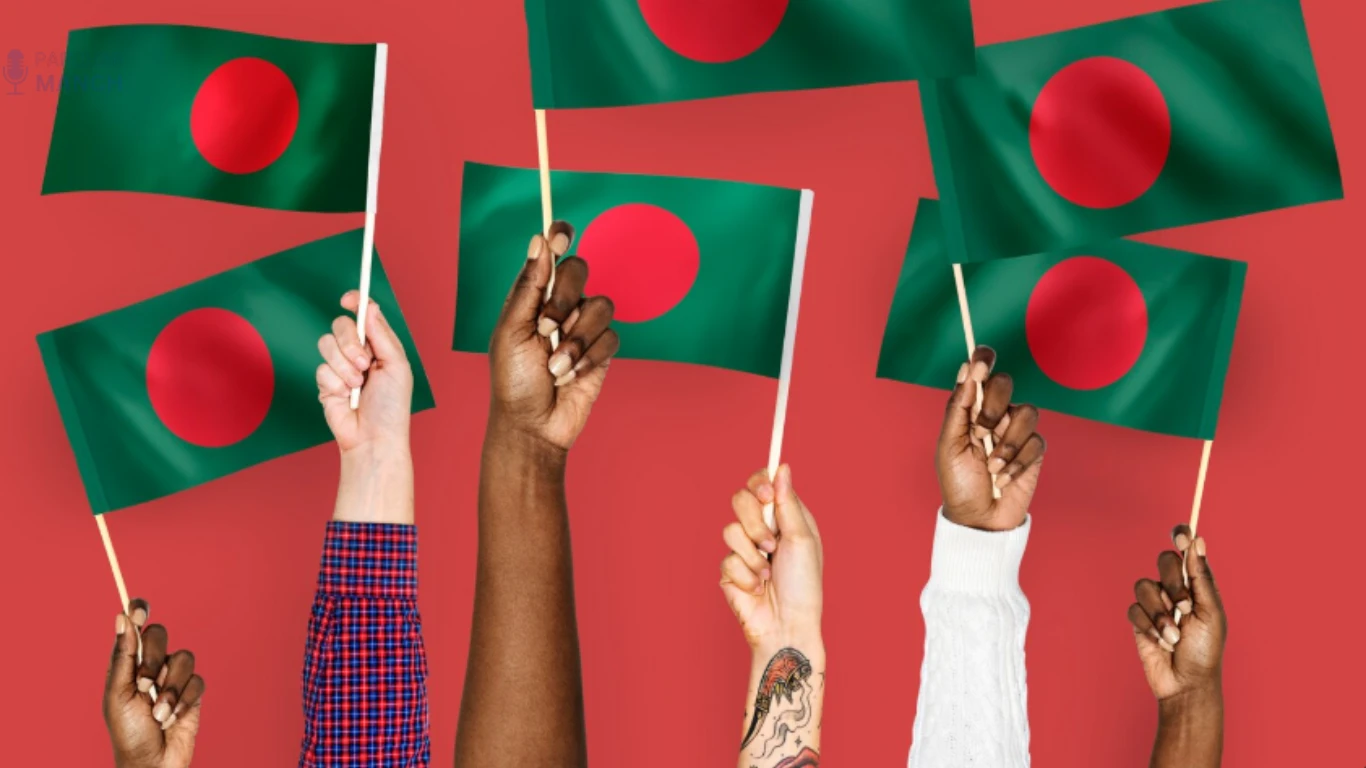
Analysts say the contest focused more on how governments would be run rather than specific ideologies, with key issues including jobs, unemployment, corruption, and youth voter promises.
Read More: Government Policies 2026: Shaping Economic Growth and Citizen Welfare in India
Parties used a variety of strategies to reach voters. Traditional rallies co‑existed with heavy social media usage, especially targeting youth and urban populations. This approach highlights how Election Campaign Updates 2026 are not just about speeches, but about digital conversations and promises that appeal to newer generations of voters.
Japan’s Snap General Election
In Japan, a snap general election was held in early February 2026. The ruling coalition led by Prime Minister Sanae Takaichi was expected to secure a strong majority in the lower house, according to exit polls and campaign coverage.
Campaign strategies here included:
- Major political rallies where leaders discussed security, the economy, and social welfare.
- Local town hall meetings for voter engagement.
- Heavy talk on economic policies and job creation.
Read More: IPL 2026: Why This Is the Most Anticipated Season Ever
This election showed that even traditional democracies embrace both old‑fashioned public rallies and modern election coverage methods, such as live broadcasts and social media updates.
Nepal’s Hybrid Campaigning Model
Nepal is preparing for its parliamentary elections on 5 March 2026 with a hybrid campaign strategy , blending offline local outreach and advanced digital engagement.
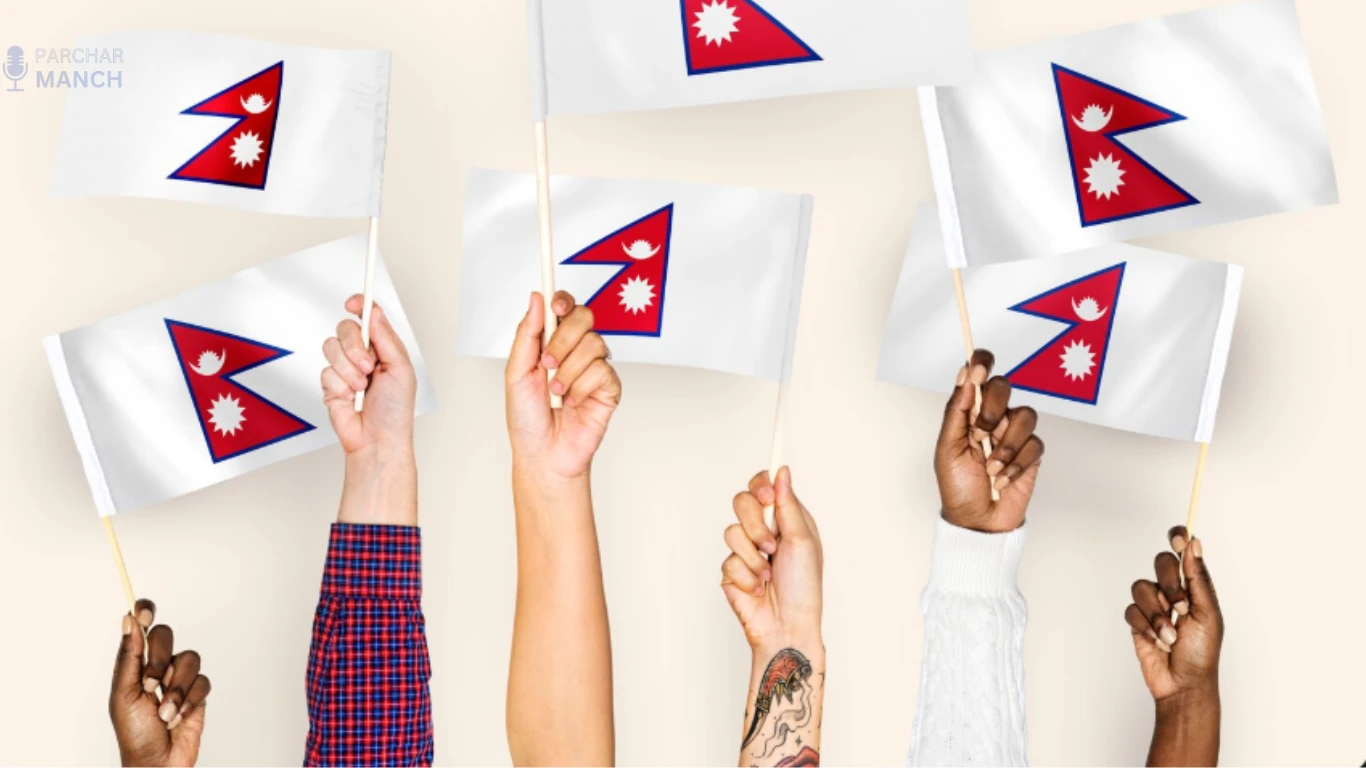
Parties are increasingly focusing on reaching voters through digital platforms rather than relying only on printed materials and road rallies.This shift is significant in the current Election Campaign Updates 2026 because it reflects how political campaigns around the world are evolving thanks to internet influence, particularly among young voters who are active online.
Thailand’s 2026 Election Results and Referendum
Thailand’s 2026 general election showed a strong preference for nationalism and conservative economic policies. The Bhumjaithai party achieved a major victory, and alongside the election, voters participated in a referendum on constitutional reform, where more than half supported drafting a new constitution.
This campaign highlighted:
- Strategic voter engagement efforts in rural and urban areas.
- Focus on nationalist themes and public services.
- Combined campaigning and referendum education programs.
Election Strategies and Tactics Trending in 2026
Across countries, there are many strategies that political parties and candidates are using to win voter support. Some of the main campaign strategies trending this year include:
Use of Digital Platforms
Parties are creating strong online presences to connect with younger voters. Campaign teams are using social media, online videos, custom content, and even chat groups to spread messages and engage supporters.

This trend reflects a broader shift in how campaigns operate in the digital age, with digital tools often reaching more people than traditional methods.
Data‑Driven Targeting
More campaigns are employing data analytics to understand voter preferences in different regions. By studying data, campaign teams tailor their messaging and promises to specific groups , such as youth, rural voters, or professionals , giving them an edge in persuading undecided voters.
Grassroots Voter Outreach Programs
Read More: Top Career Guidance Tips for Indian Students to Choose the Right Colleges and Jobs
Even with digital advances, many parties are still focusing on voter outreach programs that include grassroots efforts:
- Door‑to‑door visits.
- Local community meetings.
- Workshops and listening sessions for citizen concerns.
These efforts help build trust directly with voters, especially in areas where digital penetration may be limited.
Youth Engagement Initiatives
Campaigns are increasingly focused on young voters, who often care about jobs, education opportunities, climate action, and governance transparency. Special program events, youth‑oriented discussions, and social media outreach are all part of how parties are building youth support in Election Campaign Updates 2026.
Direct Promises Reflecting Public Concerns
Political leaders and candidates are making very specific candidate promises, like:
- Better job opportunities.
- Improved healthcare access.
- Economic support for small businesses.
- Infrastructure and housing plans.
- These promises are designed to reflect what citizens often worry about most , everyday life issues , rather than abstract ideology.
Political Rallies and Public Engagement
Public gatherings and political rallies continue to be a core part of campaign outreach. These events give voters a chance to hear leaders speak directly, ask questions, and voice their expectations.
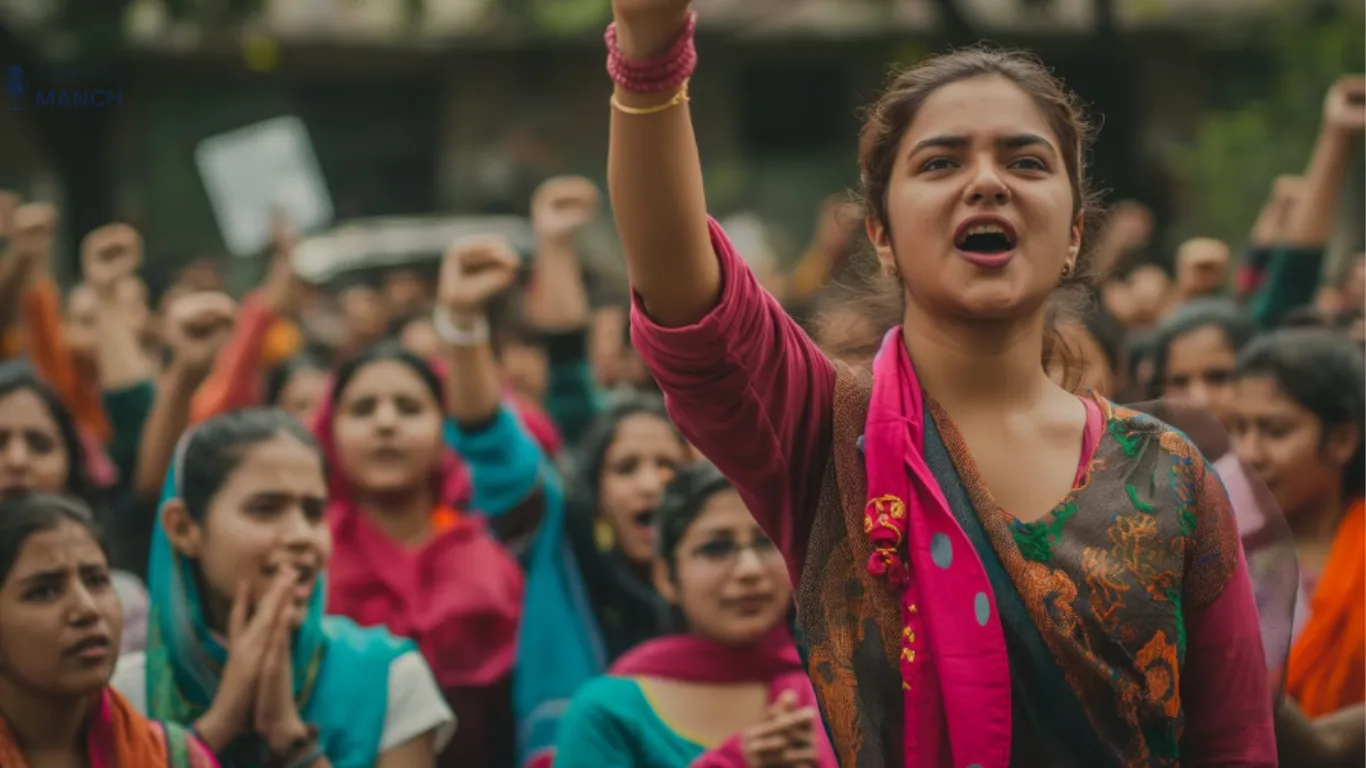
Campaign coverage shows that rallies are often not just about speeches. They include local cultural programs, panel discussions, and Q&A sessions that invite voters to feel greater engagement and influence in the election process.
At the same time, there have been concerns in some areas about privacy and the methods used in outreach. For example, a recent court case in India challenged the use of government employee contact details in campaign WhatsApp messaging, raising questions about data privacy and ethics in campaigning.
Election Coverage and Public Perception
The way elections are covered by the media and citizens plays a major role in shaping public opinion. Modern election coverage includes news updates, social media discussions, and live debates.
In Bangladesh, election coverage was extensive leading up to the 12 February 2026 general election, with a major focus on how parties would deliver on their key promises, especially to young voters.
In Japan, live reporting and analysis of polls helped voters understand ongoing shifts in public support, with conservatives aiming for stability and opposition voices highlighting different economic views.
These examples show that Election Campaign Updates 2026 are not just about speeches and posters. They include how society engages with information and how individuals interpret what leaders are saying.
Challenges and Concerns in the 2026 Election Campaign Landscape
Even as campaigns innovate, there are challenges:
- Privacy concerns about how voter contact information is used.
- Misinformation is spreading through social platforms.
- Unequal access to technology across regions.
- Scepticism about promises that may be difficult to fulfil.
These challenges highlight the need for ethical campaigning and transparent voter engagement practices so that people can trust the electoral system. International observers and election commissions in many countries are now working to strengthen electoral coordination and transparency , as seen in India, where a national declaration was adopted to improve election management processes.
Conclusion
Election campaigns in 2026 continue to demonstrate how political communication is evolving in response to changing voter expectations and technological advancements. While traditional methods such as public rallies, door-to-door campaigning, and community meetings remain important, digital platforms, social media, and data-driven outreach have become equally influential in connecting with voters.
Successful election campaigns today are no longer judged solely by the number of rallies or campaign advertisements. Voters increasingly evaluate political parties based on their manifestos, governance records, policy proposals, leadership credibility, and ability to address real issues such as employment, inflation, healthcare, education, and infrastructure.
At the same time, challenges like misinformation, AI-generated content, voter privacy, and ethical campaigning have become major concerns during modern elections. Governments, election authorities, political parties, digital platforms, and citizens all share the responsibility of promoting transparent, fair, and informed democratic participation.
Ultimately, effective election campaigns are built on clear communication, public trust, and meaningful voter engagement. As campaign strategies continue to evolve, informed voters remain the foundation of every healthy democracy, making fact-based decision-making more important than ever.
Read More: Major State Assembly Updates 2026: Political Movements and Decisions Affecting Citizens
FAQs
What are the latest Election Campaign Updates 2026 around the world?
The latest Election Campaign Updates 2026 show a mix of traditional and modern campaigning. In Bangladesh, a huge election drew record‑breaking voter participation and a strong focus on youth promises. Japan held a snap election with major coverage, and conservative parties gained momentum. Nepal adopted digital outreach, and Thailand combined election campaigning with constitutional reform voting. Campaigns now emphasise digital engagement and grassroots outreach to connect with voters more directly.
How are digital strategies changing election campaigns in 2026?media
Digital strategies are now central in many campaigns. Parties use social media, online videos, targeted ads, and internet platforms to reach voters , especially young people. In Nepal, parties shifted away from printed materials to digital platforms, reflecting how online tools can influence voter opinions and turnout. This shows how technology has become a key part of voter engagement in modern elections.
What kinds of promises are candidates making in the 2026 campaigns?
Candidate promises in 2026 focus on everyday concerns. Leaders talk about job opportunities, economic support for families, healthcare improvements, education reforms, and infrastructure development. In many places, promises aim to address public worries about inflation, unemployment, and future opportunities, showing that policies are increasingly tied to voter priorities rather than broad ideological statements.
Are there concerns about election campaigning methods in 2026?
Yes, several concerns have emerged. Some campaigns face criticism for using private contact data to reach voters without proper consent, raising privacy issues. There is also worry about misinformation being spread through social media. These concerns highlight the need for ethical and transparent campaign strategies to ensure fair elections and protect democratic values.
How important are voter outreach programs in 2026 election campaigns?
Voter outreach programs are extremely important. Campaigns now combine door‑to‑door visits, community meetings, and digital engagement to connect with citizens directly. These programs help build trust between candidates and voters, address local concerns, and motivate people to participate in elections. Effective outreach can make a significant difference in election results, especially among youth and undecided voters.