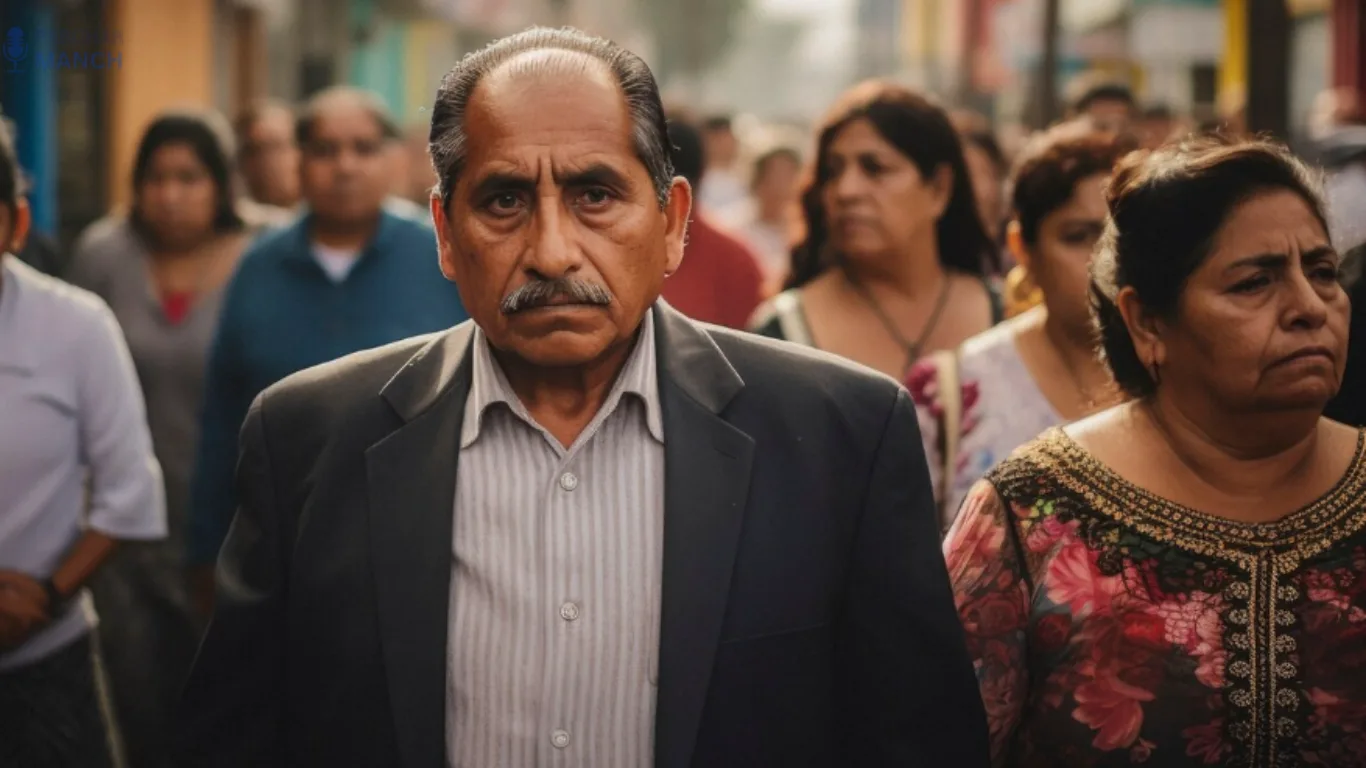
How Political Power Shifts 2026 Affect Policies, Governance, and Public Decisions
Politics is never just about elections , it is, in fact, about what happens after people vote. As India moves through the year 2026, we are witnessing many political movements and elections that will decide not just who leads, but how policies are made, how governments function, and how everyday decisions affect citizens.
In this article, I will explain in simple, easy language how the Political Power Shifts 2026 in India are shaping public policies, governance, and decisions that touch the lives of millions of people.
You might think , politics and governance are general ideas. But they are not. Even small changes in political power can change how schools work, how hospitals are funded, how jobs are created, and how people relate with each other.
Let’s explore this topic clearly, step by step.
1. What Political Power Shifts 2026 Really Means
When we say Political Power Shifts 2026, we mean big changes in who holds power at both the state and national levels this year. This includes:
- Elections in major states like Assam, Kerala, Tamil Nadu, and West Bengal, where new governments may come to power or existing ones may stay.
- Alliances between different parties are changing , for example, parties joining together to compete in elections.
- New leadership in national parties, and ministers or regional leaders rising in influence.
These changes are not just names on a ballot; they shape how a state or the country makes laws, spends money, and addresses real problems.
2. How Regime Change and Election Results Shape Public Policies
In 2026, elections are happening in several important states. These elections can create regime change , meaning a different political party or coalition forms the government.
When a regime change happens, the new leaders bring their ideas and priorities.
For example:
- In Assam, the chief minister and ruling party will decide whether to continue big infrastructure projects or slow them down.
- In Tamil Nadu, political alliances are shifting, and parties promise changes in how taxes, jobs, and social welfare are managed.
- In Kerala, major parties compete on promises about jobs, healthcare, and local governance.
When citizens choose a new government, they are also choosing what kinds of policies that government will pursue. These might be:
- Improving public services like hospitals and schools
- Changing tax levels or welfare programs
- Boosting infrastructure spending
- Supporting specific industries or workers
These decisions are made by elected governments, and only a change in power leads to a change in these decisions.
3. How Party Influence Affects Governance Style
The type of political party in power matters for governance.
Read More: Major State Assembly Updates 2026: Political Movements and Decisions Affecting Citizens

Some parties focus on:
- Welfare programs (things like job schemes, financial support)
- Economic growth through industry promotion
- Cultural or regional identity
- Law and order priorities
If a party that prioritises public welfare wins an election, governance might lean toward offering more social support schemes. If a party that prioritises infrastructure wins, governance might focus on big construction and development projects.
The influence of political parties , and how much power they hold after the Political Power Shifts 2026 , directly determines the nature of governance that citizens experience.
For instance, when a coalition gains power, decisions may reflect compromises between different parties, affecting policy priorities and budgets.
4. Political Transitions and Public Decision Making
A political transition is the process by which one government hands over power to another, or when it reorganises leadership within itself.
This transition affects public decisions in many ways:
- Decisions may slow down temporarily as new leadership settles in
- Policies may be reviewed or changed entirely
- Budgets may be reworked to match a new government’s goals
- New promises made during elections may be implemented
Political transitions also affect how responsive a government is. Some governments act quickly after elections, passing new laws or budgets. Others take longer, especially if different parties in coalitions need to agree.
In some regions, transitions lead to major changes in how land, education, and job policies are run, because new leaders bring new visions.
5. Specific Ways Political Power Shifts 2026 Impact Public Policies
A shift in political power does not just change who leads , it reshapes what the government does. Here are some clear examples:
a. Economic Policy Changes
When a new government takes over, economic policies are often among the first things it reviews.
- This includes taxes, business incentives, and spending priorities.
- States might change how they attract investment or promote industries.
- New governments might increase or decrease welfare spending.
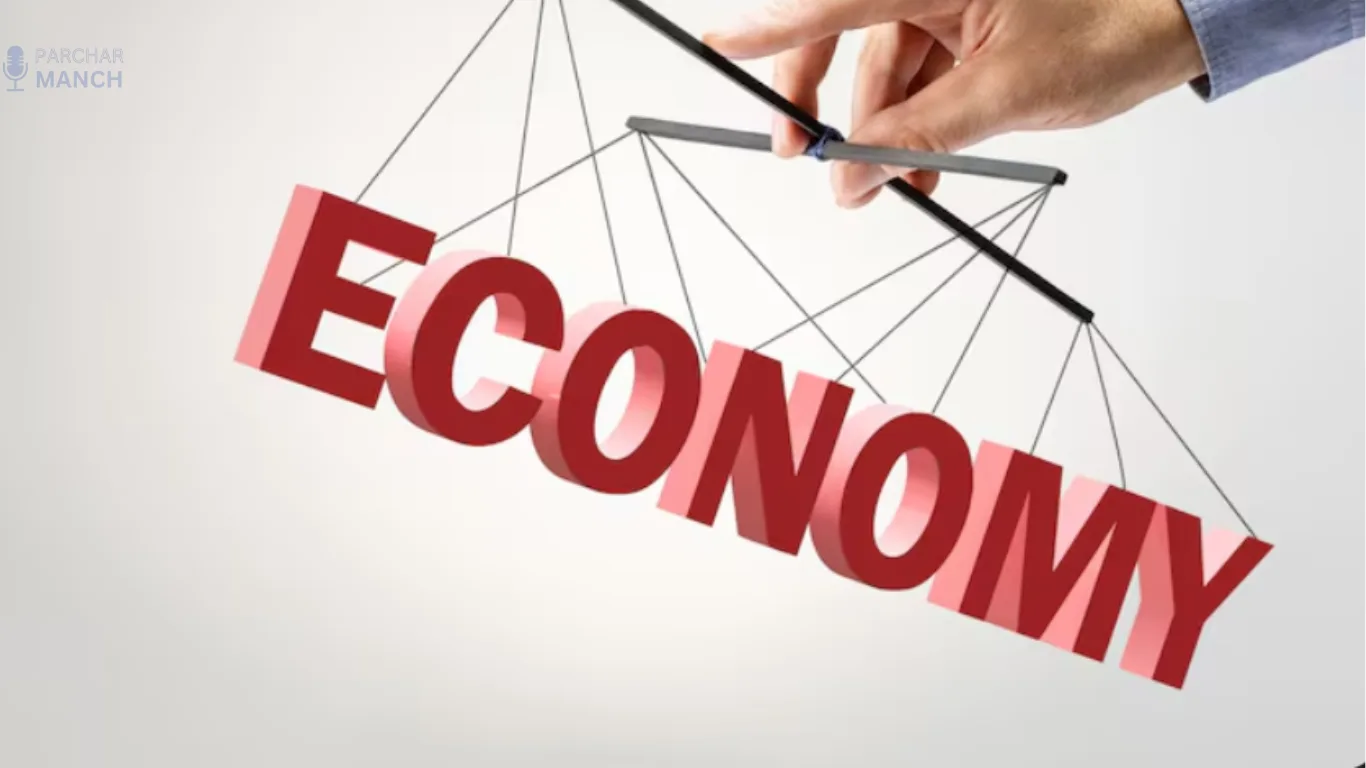
These decisions matter to citizens directly , affecting jobs, prices, and economic growth.
b. Social Service Delivery
Governments decide how to support schools, hospitals, welfare programs, and welfare schemes. If governance priorities change after a political shift, public decisions about education quality, healthcare access, and social safety nets will change too.
c. Law and Order Policies
The government in power also decides how police and courts should act. If a shift leads to new leadership, decisions about crime prevention, public protests, and safety can change. Often, political changes influence how strictly laws are enforced, which affects citizens’ daily lives.
d. Federal Policies and Cooperation Between States and Centre
When states shift power politically, cooperation between state and central governments may change. If the state ruling party is the same as the one at the centre, policies might flow smoothly.
But if different parties govern the state and centre, there might be disagreements over funding, policy priorities, and implementation of central schemes.
This policy impact can affect how quickly citizens see improvements in services.
6. Examples of Current Shifts in 2026
We see real effects already in 2026:
- Assembly elections in Assam, Kerala, Tamil Nadu, and West Bengal are influencing voter expectations, policy promises, and governance debates.
- Political alliances , like the joining of different regional parties , are reshaping the political landscape and strategies going into elections.
- National policy discussions, such as proposals for synchronised elections across India (One Nation, One Election), show how political shifts influence thinking about governance at the highest level.
These ongoing developments illustrate how political changes are affecting public decisions and the direction of governance in India.
7. Why These Shifts Matter to You
It’s easy to think that politics is something far away , something that only politicians deal with. But that is not true.
When political power shifts:
- Roads may get built faster or slower
- Hospitals and schools may get more or less funding
- Programs for senior citizens or farmers may be changed
- Jobs and economic development priorities may move in new directions
Every voter, family, and citizen can feel the impact of these decisions. Your life , whether it’s about job opportunities, safety, education, health services, or community support , can change based on how governments set policies after power shifts. That is why understanding the Political Power Shifts 2026 is important: it helps you know what public decisions might change and how they affect you.
Conclusion
The Political Power Shifts 2026 in India are not just momentary events. They represent big changes in how governments think, make choices, and act on behalf of citizens. When power shifts, it affects policies that govern our everyday life , from economic decisions to social services to law and order.
These shifts reflect the voice of the people , when voters choose a different government or a new alliance, they express a demand for change. Governments then respond with new policy directions, adjustments in governance styles, and fresh public decisions. Whether it is through elections, coalition changes, or leadership transitions, the impact extends far beyond the ballot box.
Understanding these shifts means understanding how India is choosing to lead itself and what that means for citizens tomorrow. These changes influence the laws that shape our future, the budgets that fund schools and hospitals, and the public decisions that define the quality of life across states and at the national level.
As India moves forward in 2026, these political changes and their effects on policy and governance will remain at the heart of how the country decides to grow, serve its citizens, and build a shared future.
Read More: Government Policies 2026: Shaping Economic Growth and Citizen Welfare in India
FAQs
How do Political Power Shifts 2026 change public policies?
Political shifts alter which party or coalition holds office. Since each party has its agenda, these changes directly influence which policies are prioritised, how public funds are spent, and what laws are introduced. This affects services such as healthcare, education, and welfare.
Do these shifts affect everyday life?
Yes. When new governments come into power or political alliances realign, decisions on issues like jobs, infrastructure, and social programs change, directly influencing how citizens experience public services and economic opportunities.
Why does a regime change matter for governance?
A regime change means a new leadership team with its priorities. This leads to revised governance strategies, new policies, and adjustments in how public systems are run, often shifting focus toward different community needs and economic goals.
Can these shifts influence national policies too?
Absolutely. State election outcomes and party influences affect national debates, federal cooperation, and overall national policy direction, especially when major regional parties gain strength or align with national coalitions.
How long do the effects of these shifts last?
The effects can be long-term. Policy directions taken after a political shift can last through the entire tenure of the government and influence subsequent elections, affecting governance and citizens’ lives for years.