Impact of Climate Change India: Heatwaves, Floods, and What Citizens Can Do
Climate change has become more than a scientific idea or future threat in India it is now a lived reality affecting daily life, health, economy, and nature. Across towns and cities, in villages and farms, the rising heat, unpredictable rains, and violent natural forces are reshaping how people live, work, and survive.
This article explains in simple words how Climate Change India is creating severe global warming effects, why heatwaves and floods are becoming more common, and most importantly, what citizens can do to make a difference at home and in their communities. The world’s climate is warming faster than people expected, and India because of its size, population, and geography feels the impacts most intensely today.
We will walk through the science, the experience, the risks, and the sustainability tips that citizens can use right now. This is not abstract or distant. It is real, urgent, and something every family can understand and respond to. Let’s explore.
Understanding Climate Change in India and Why It Matters
Climate Change India refers to the ongoing long‑term changes in temperature, rainfall, extreme weather events, and sea levels that are affecting India’s environment and people.
This change is largely driven by greenhouse gas emissions especially carbon dioxide, methane and other gases from burning fossil fuels, deforestation, agriculture, transportation, and industries. These emissions trap heat in the atmosphere, warming the planet and intensifying weather patterns. India has experienced one of its hottest years on record recently, confirming a trend of rising average temperatures across seasons.
This warming is not evenly spread, and its effects show up differently across regions of India. Northern plains, coastal zones, hilly states, and arid districts all face unique problems from heat stress, irregular rainfall, rising sea levels, melting glaciers, and shifting monsoon cycles. The biggest cities, due to heat‑trapping urban environments, are heating even faster than rural areas.
Heatwaves: The Rising Scorch of Climate Change in India
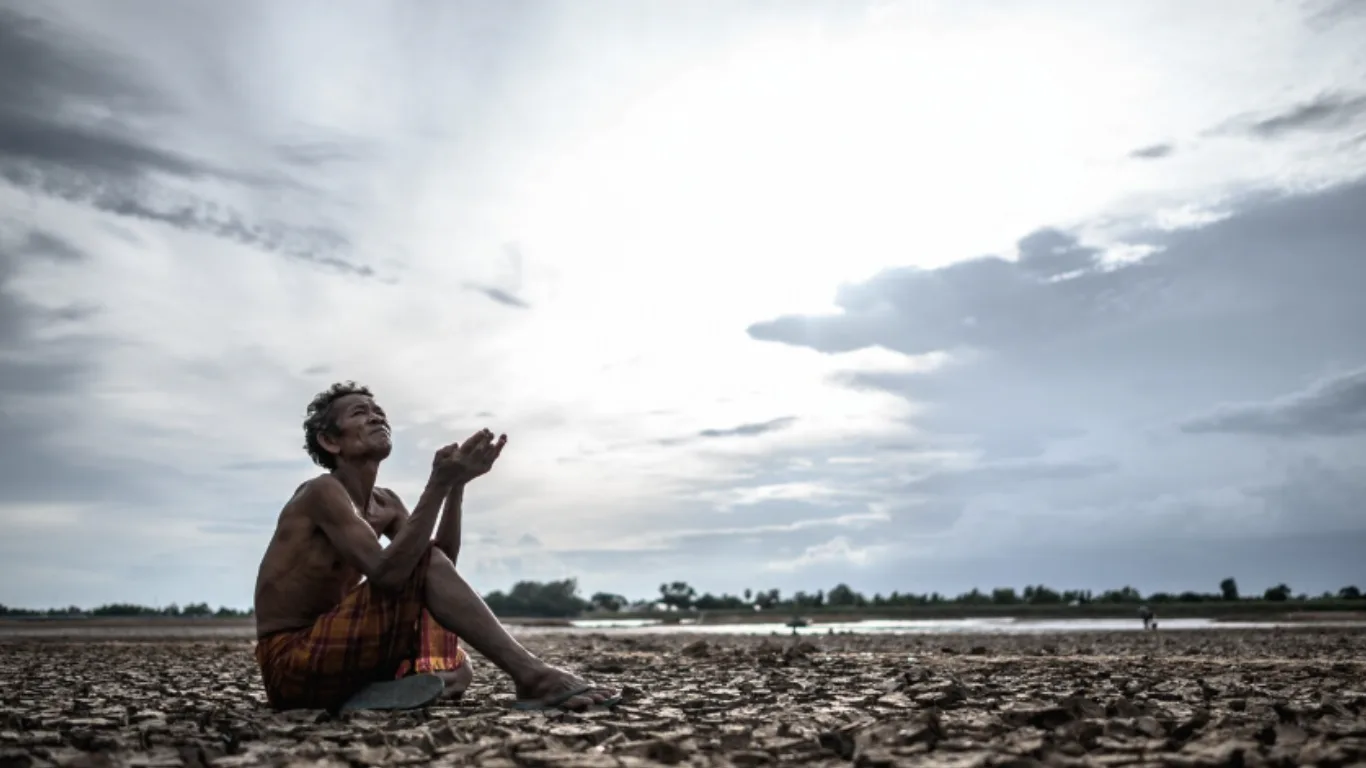
One of the most visible ways Climate Change India affects daily life is through heatwaves. Heatwaves are prolonged periods of abnormally high temperatures often exceeding 40°C that can be lethal, especially when combined with high humidity and little relief at night.
In recent years, areas of India such as Rajasthan, Delhi, Uttar Pradesh, and parts of central India have recorded extremely high temperatures. In 2025, a severe heatwave saw temperatures reach around 48°C in some places, with serious health impacts and confirmed deaths.
Scientists warn that heatwaves are likely to last longer and cover larger areas as the climate warms. They are no longer limited to a short hot season but can extend into shoulder months, posing a threat not only to individual health but also to the economy, agriculture, and energy systems.
Heatwaves cause dehydration, heatstroke, heart problems, and loss of labour productivity. Children, elderly people, outdoor workers (like construction workers or farmers), and people without access to cool shelters are most at risk. They strain healthcare systems and can push vulnerable families into crisis.
Floods and Erratic Rainfall: Water That Worsens Global Warming Effects
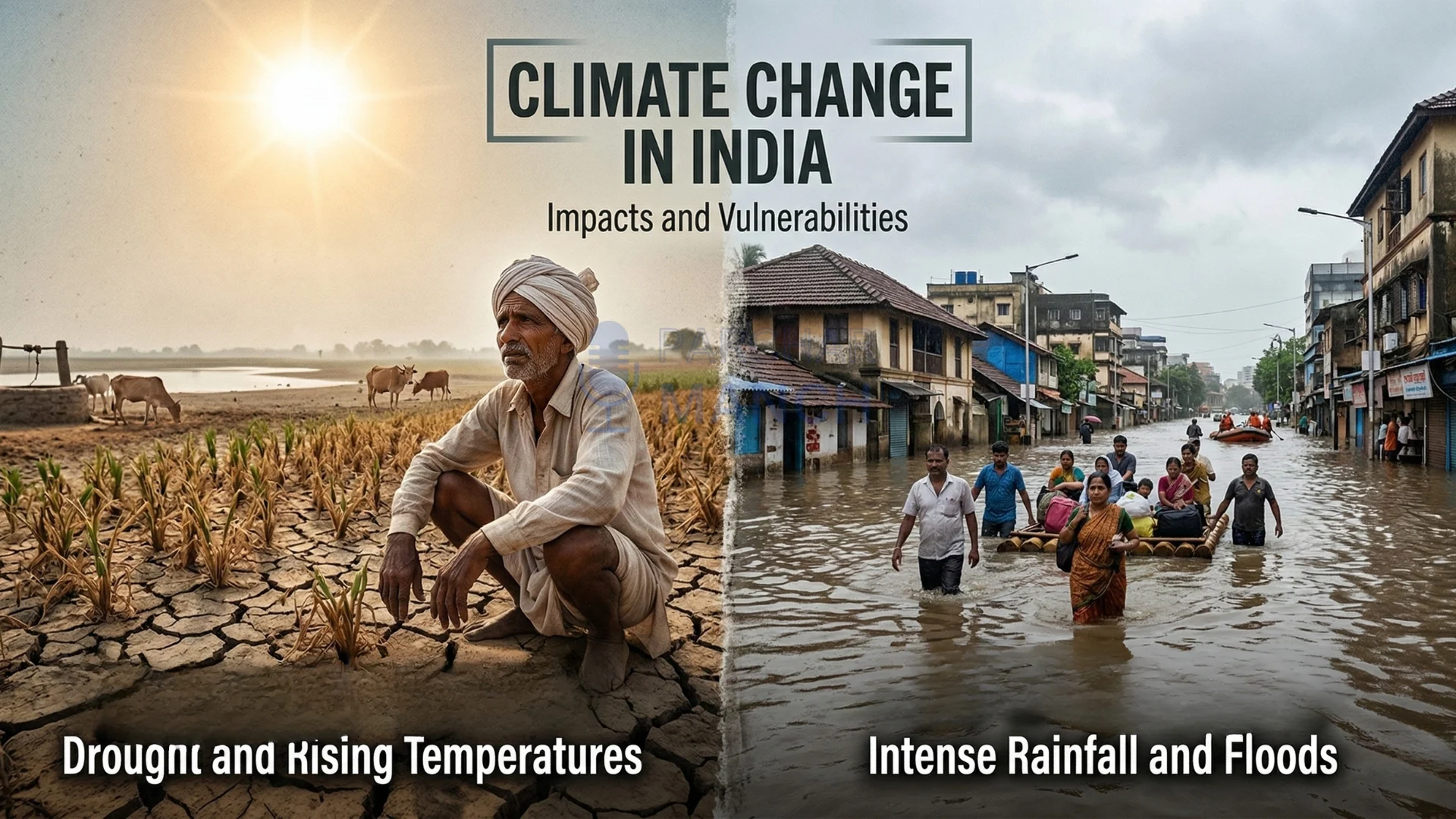
Another dramatic effect of climate change in India is the change in rainfall patterns. India’s monsoon system — which millions depend on for crops and drinking water has become unpredictable and intense. Climate scientists have found that heavier downpours are happening more often in short bursts, and dry periods between rains are getting longer and more frequent.
Such erratic rainfall leads to severe floods in one place and drought in another. The Himalayan region sees faster glacier melting and more glacial lake outflows, increasing the risk of sudden floods and landslides.
In recent years, floods during the monsoon season have been unusually damaging, displacing families, destroying homes, damaging roads and bridges, and disrupting farming just when crops are near harvest. Some studies suggest India experienced extreme weather events on nearly 90 per cent of days in a year, highlighting how common these impacts have become.
Economic Toll of Climate Change in India
The effect of climate change is not just physical or emotional it hits the economy hard too. Extreme heat slows down workers, especially those working outdoors, leading to huge losses in output and earnings. Erratic rains and floods destroy crops, reduce agricultural yields, and damage farmland. Heat stress has cost millions of labour hours and billions of dollars in potential income because people cannot work during peak heat.
Urban flooding causes businesses to halt, damages property, and forces governments to spend more on repair and recovery. According to global economic estimates, urban flooding alone costs billions every year in India, with projections of much higher losses if no action is taken.
Human and Social Impact of Climate Change in India
The human toll of climate change is profound. Some reports show that extreme heatwave events have led to thousands of deaths across India in the last decade.
Changes in climate affect water quality, spread diseases, lower food production, and can even hamper educational attendance when schools close during extreme weather. Many families are forced to migrate when their homes are repeatedly damaged by floods or when farms no longer produce enough crops.
These are not distant problems communities, especially those with fewer resources, feel them now. Children, elderly people, those living in informal settlements, and low‑income farmers are hit hardest by heat, water scarcity, and unpredictable storms.
Read More : Chaitra Navratri 2026: Complete Guide, Dates, Fasting Rules & 9 Days Significance
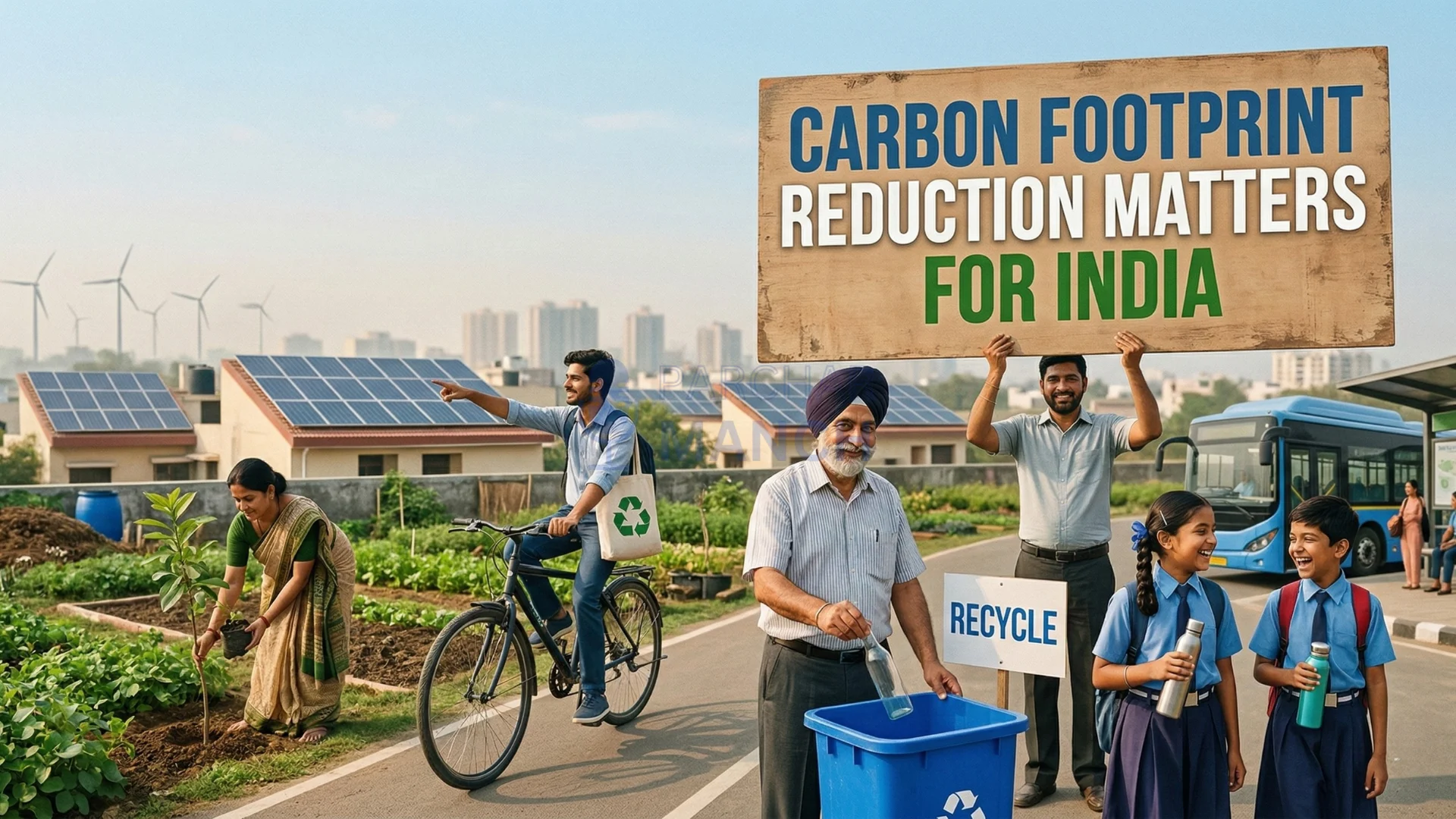
To slow climate change, reducing carbon emissions is essential. A “carbon footprint” means the total amount of greenhouse gases that human activities release into the atmosphere. Individuals, households, and communities can help reduce their carbon footprint in many ways. Saving energy, choosing cleaner transport options, supporting renewable energy, planting trees, using less plastic, and consuming sustainably are all part of lowering emissions.
Carbon footprint reduction might sound abstract, but it is connected to everyday choices like taking public transport instead of driving alone, using energy‑efficient appliances, reducing waste, and supporting community gardening. Small choices add up when millions participate.
How Environmental Awareness Helps Citizens
Understanding Climate Change India and its mechanisms why heatwaves happen, how floods intensify, and how weather is becoming unpredictable helps citizens make smarter choices. Environmental awareness leads to smarter public pressure, too. When citizens know the impacts, they demand better policies, stronger climate plans, and more sustainable cities. Awareness naturally extends to younger people, schools, workplaces, and community groups, building a culture of environmental responsibility.
Practical Sustainability Tips for Citizens in India
Here are realistic steps every citizen can take:
- Reduce energy use at home by turning off lights, fans, and devices when not in use.
- Choose public transport or carpooling to lower individual emissions.
- Plant trees and support urban green spaces that cool local temperatures.
- Save water by fixing leaks, using efficient irrigation, and capturing rainwater.
- Practice waste segregation and recycling to limit landfill emissions.
- Use renewable energy solutions like solar panels or community shared resources.
These actions may be small individually, but they create a ripple effect in communities and contribute to slowing climate change faster.
What Governments and Institutions Are Doing
At national and international levels, governments and organisations are investing in climate planning, heat action plans, early warning systems for heat and floods, sustainable infrastructure, disaster risk reduction, and renewable energy deployment. These policies support communities in preparing and coping with extreme weather events. But experts say community participation is critical — policy alone is not enough without public cooperation and awareness at every level.
Conclusion
The impact of climate change in India is visible in heatwaves that stretch hotter and longer, floods that come suddenly and fiercely, disappearing glaciers, disrupted monsoons, and vulnerable communities that live on the frontlines of these changes. These dramatic effects are not distant threats they are happening today and affecting millions. But this story does not have to be one of despair. When citizens understand the nature and urgency of climate change, when individuals adopt sustainability tips like reducing energy use and waste, when communities plant trees and conserve water, and when public awareness drives policy decisions, positive change becomes possible.
Climate change may be a global challenge, but meaningful action begins locally in households, schools, neighbourhoods, and cities across India. Awareness, action, resilience and cooperation are the words that can transform challenge into opportunity. The heatwaves will still come, the rains may still break records, but prepared, informed and proactive citizens can adapt, reduce risks, and protect lives while pushing for a future that is sustainable, fair and less fragile to the storms of climate change.
Read More : Gudi Padwa 2026: The Marathi New Year, Its History, Rituals, Date, Muhurat and Why It Still Matters
FAQs
What exactly is Climate Change India, and why is it happening?
Climate Change India refers to long‑term shifts in temperature, storms, rainfall patterns, and natural systems across India caused mainly by human activities such as burning fossil fuels, deforestation, and industrial emissions. These activities increase greenhouse gases in the atmosphere, warming the planet and disrupting weather systems.
How do heatwaves and floods connect with global warming effects?
Heatwaves become hotter, longer, and more frequent when the planet warms, increasing health risks and heat stress. Floods and erratic rainfall happen because warmer air holds more moisture, leading to intense bursts of rain that overwhelm rivers, drainage systems, and communities, often destroying property and lives.
What are some common signs of climate change in India today?
Signs include record‑breaking high temperatures, more frequent heatwave days, unpredictable monsoon rains, stronger floods, longer droughts in certain regions, melting glaciers in the Himalayas, and increasing infrastructure damage across cities and rural areas.
How can citizens reduce their carbon footprint?
Citizens can reduce their carbon footprint by using public transport, saving electricity at home, planting trees, practising waste segregation, conserving water, choosing energy‑efficient appliances and supporting renewable energy like solar power — each action lowers greenhouse gas emissions.
Why is environmental awareness important for fighting climate change?
Environmental awareness helps people understand the risks and impacts of climate change, which motivates smarter personal choices, community participation, and stronger public demands for climate‑friendly policies — all essential for building a resilient and sustainable future.