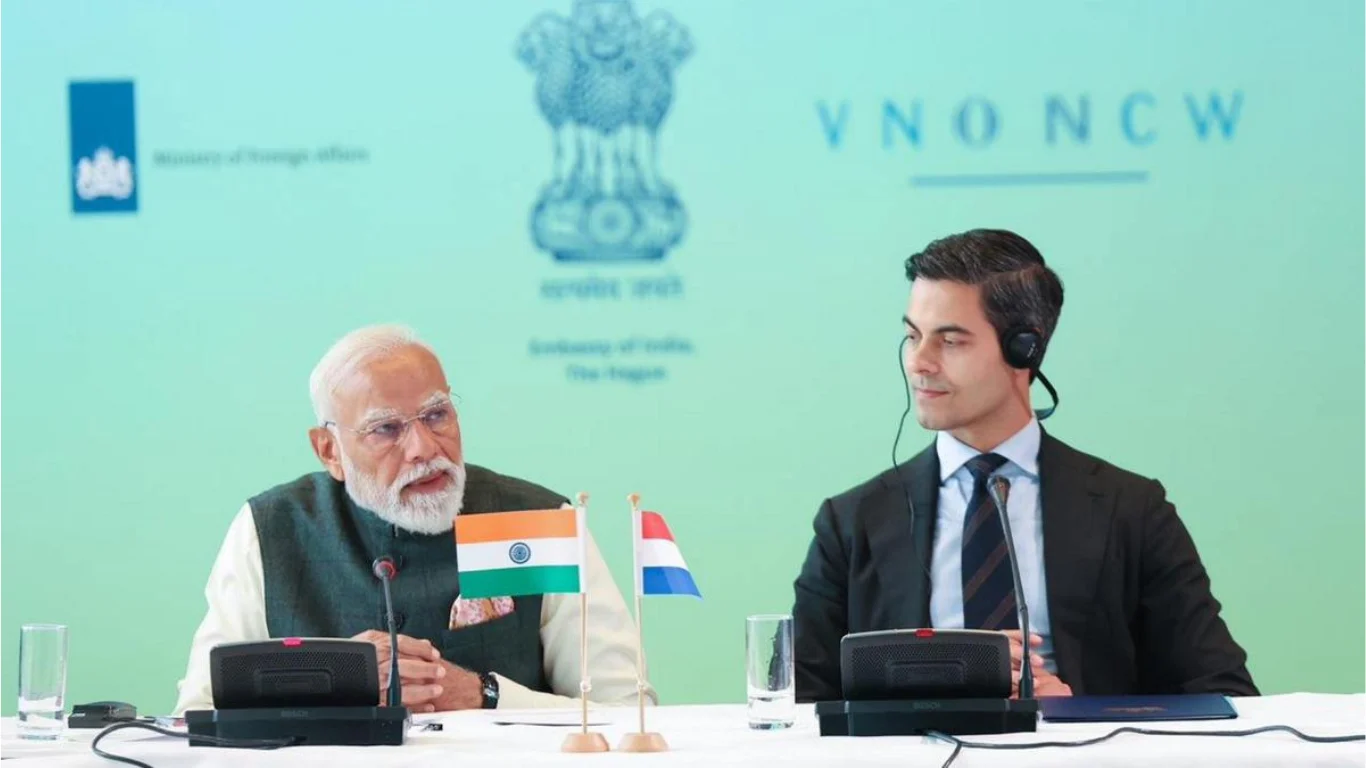
India and the Netherlands Just Upgraded Their Relationship , And It's Bigger Than Most People Realise
PM Modi's Netherlands visit was not a routine diplomatic stopover. When a sitting Indian Prime Minister travels to The Hague, stands on a 90-year-old dam holding back the sea, and signs 17 agreements in a single sitting, something meaningful is being built. Something with a long shelf life.
What happened in the Netherlands this week deserves more attention than it is getting.
Why This India-Netherlands Strategic Partnership Is a Turning Point
Most diplomatic visits produce statements that fade within a news cycle. This one is different, and the difference lies in the specificity of what was agreed.
India and the Netherlands formally upgraded their relationship to a strategic partnership , a designation that signals far more than friendship. It means shared priorities, coordinated action, and a level of institutional trust that takes years to develop.
The two countries signed 17 MoUs spanning water management, renewable energy, semiconductors, defence, pharmaceuticals, and medical technology. That is not a single-sector conversation. That is a structural recalibration of how two nations will work together across the most consequential industries of the next decade.
And then there is the Kalpasar Project.
What Is the Kalpasar Project , and Why Is Dutch Technology the Right Fit?
The Kalpasar Project is Modi's long-held vision for Gujarat: a massive freshwater reservoir to be built across the Gulf of Khambhat using a causeway dam. Think of it as India's answer to water scarcity in its western coastal regions. The project, if completed, would provide irrigation water to over a million hectares of farmland, generate hydroelectric power, and improve freshwater access for millions.
It has been discussed for decades. What is new is the pact signed with the Netherlands to fast-track it using Dutch water management technology , the same engineering tradition that reclaimed land from the sea for centuries.
Which brings us to why PM Modi visited the Afsluitdijk Dam.
The 90-Year-Old Dam That Held Back a Sea , and What India Can Learn From It
The Afsluitdijk Dam in the Netherlands is one of the most extraordinary pieces of civil engineering on earth. Completed in 1932, it is a 32-kilometre barrier that closed off the Zuiderzee , a tidal inlet , converting it into a freshwater lake called the IJsselmeer. It has protected the Netherlands from catastrophic flooding for over nine decades.
Modi visited this structure deliberately. The message was quiet but unmistakable: India wants to learn from a country that literally built its nation on water it had to tame.
The Dutch model of integrated water management , combining engineering, ecology, and long-term planning , is exactly what Gujarat's coastline demands. The Netherlands, a country where roughly a third of its landmass sits below sea level, has developed water expertise that no other nation can match.
Semiconductors, Green Hydrogen, and Defence , The Other Pillars
The water story dominated headlines, but the semiconductor roadmap signed between the two countries may prove equally significant over time.
The Netherlands is home to ASML, the only company in the world that makes the extreme ultraviolet lithography machines required to produce the most advanced chips. India's ambitions in chip manufacturing are no secret. A bilateral technology roadmap with the Netherlands that houses ASML is not incidental , it is strategic positioning.
Additionally, the two sides agreed on cooperation in green hydrogen infrastructure in Gujarat, medical supply chain resilience, and a defence cooperation roadmap , the first of its kind between the two nations.
What People Are Missing About This Visit
Most coverage reduces this to Modi's Europe tour. That framing undersells what is happening. The India-Netherlands relationship is shifting from a trade partnership to something more architecturally significant , shared technology standards, co-developed infrastructure, coordinated supply chains.
Read More: Raghav Chadha and Six Other AAP MPs Join BJP: What It Means for Indian Politics
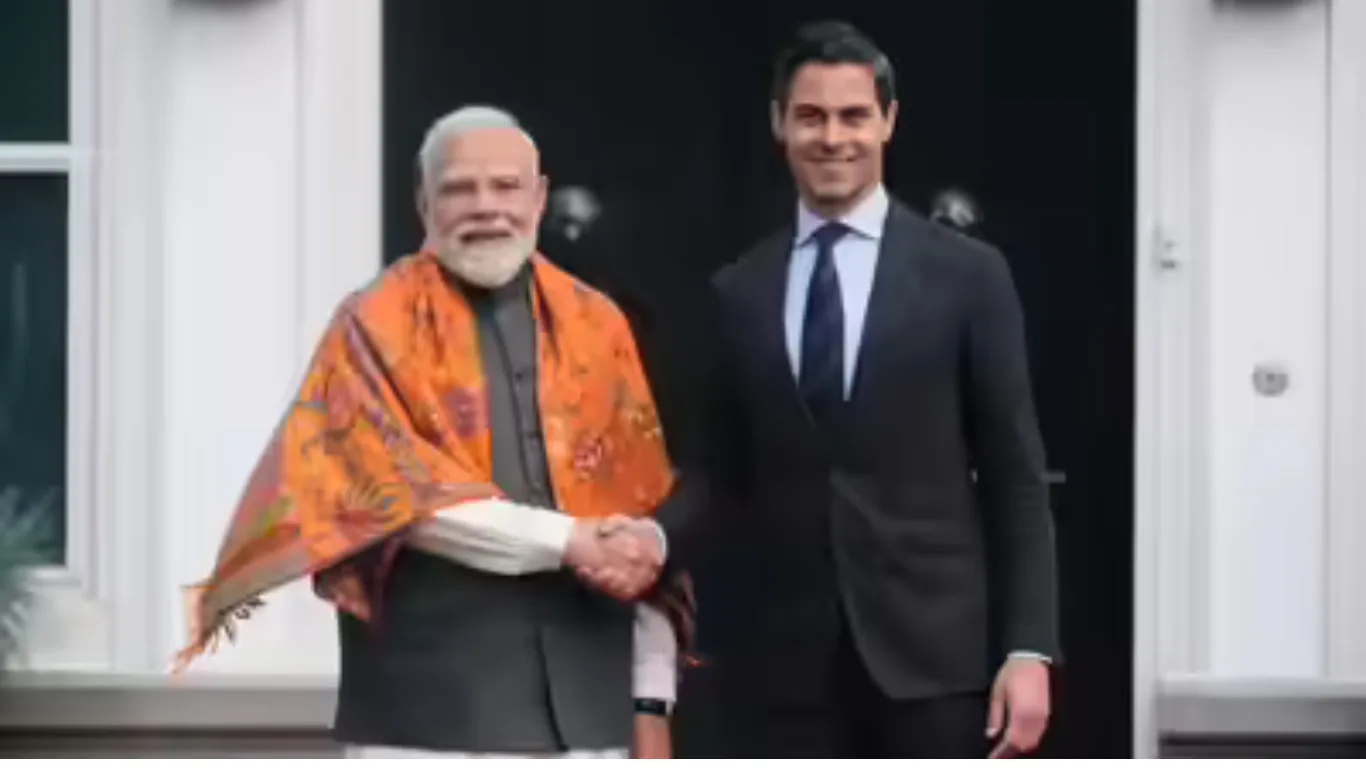
The Netherlands foreign minister called India "a logical partner." That phrasing matters. Logical. Not aspirational. Not emergent. Logical , as in, this should have happened sooner.
Read More: Core Member Sandeep Pathak's Exit from AAP Hits Party the Most , And Here Is Why
Common Misconceptions Worth Clearing Up
People often assume that bilateral agreements between countries are largely ceremonial. The Kalpasar pact is not. It attaches Dutch technical expertise to a project that Indian engineers have been unable to start alone. That is real leverage.
Others assume the semiconductor roadmap is about ASML exports to India. It is more nuanced. It is about building India into a viable node of the global chip supply chain , a long-term industrial positioning exercise, not a single transaction.
What Comes Next
The 17 agreements signed this week need implementation timelines, funded allocations, and bureaucratic follow-through to become real. That is always the gap between diplomatic ambition and ground reality.
But the architecture is now in place. India has a partner in water management that understands scale. It has a neighbour to ASML when it needs to discuss chip futures. It has a defence roadmap with a NATO member.
PM Modi called this the beginning of "unparalleled momentum" in the bilateral relationship. That kind of language is easy to dismiss. After this week, it is slightly harder to.
Disclaimer: This article is based on information available across the web. Parchar Manch does not take responsibility for its complete accuracy, as the content could not be fully verified.
Read More: Raghav Chadha and Six Other AAP MPs Join BJP: What It Means for Indian Politics
FAQs
What is the Kalpasar Project?
It is a proposed dam-reservoir project across the Gulf of Khambhat in Gujarat, India. It aims to create a freshwater reservoir, support irrigation, and generate power. A pact was signed with the Netherlands during PM Modi's visit to accelerate it using Dutch water engineering technology.
Why did PM Modi visit the Afsluitdijk Dam?
The Afsluitdijk is a 32-kilometre dam completed in 1932 that converted a tidal sea inlet into a freshwater lake, protecting the Netherlands from flooding. Modi visited it to explore how Dutch water management expertise could be applied to the Kalpasar Project and India's broader water challenges.
What does upgrading ties to a strategic partnership mean?
It means both countries have agreed to deepen cooperation structurally , across sectors like defence, technology, water, and energy , with a commitment to coordinate policy and share expertise at a level beyond regular trade relations.
What is the significance of the semiconductor roadmap?
The Netherlands is home to ASML, the world's only manufacturer of machines needed to produce advanced chips. A technology cooperation roadmap with the Netherlands positions India to access critical semiconductor expertise as it builds its own chip manufacturing ambitions.
How many agreements were signed during Modi's visit to the Netherlands?
A total of 17 MoUs were signed, covering water management, renewable energy, semiconductors, defence, pharmaceuticals, medical technology, and green hydrogen infrastructure.
Is the India-Netherlands defence roadmap significant?
Yes. It is the first such bilateral defence roadmap between the two countries, and it reflects India's growing interest in deepening security partnerships with European NATO members.