India Fires Back: Why the China-Pakistan Joint Statement on Jammu and Kashmir Has No Ground to Stand On
India's rejection of the China-Pakistan joint statement on Jammu and Kashmir is not a new headline. But this time, something feels different. The timing is pointed. The language from New Delhi is sharper. And the statement itself came wrapped inside a high-profile diplomatic visit that Beijing and Islamabad clearly wanted to look like a statement of unity.
It was not received that way in New Delhi.
What Actually Happened: The Joint Statement That Triggered India's Response
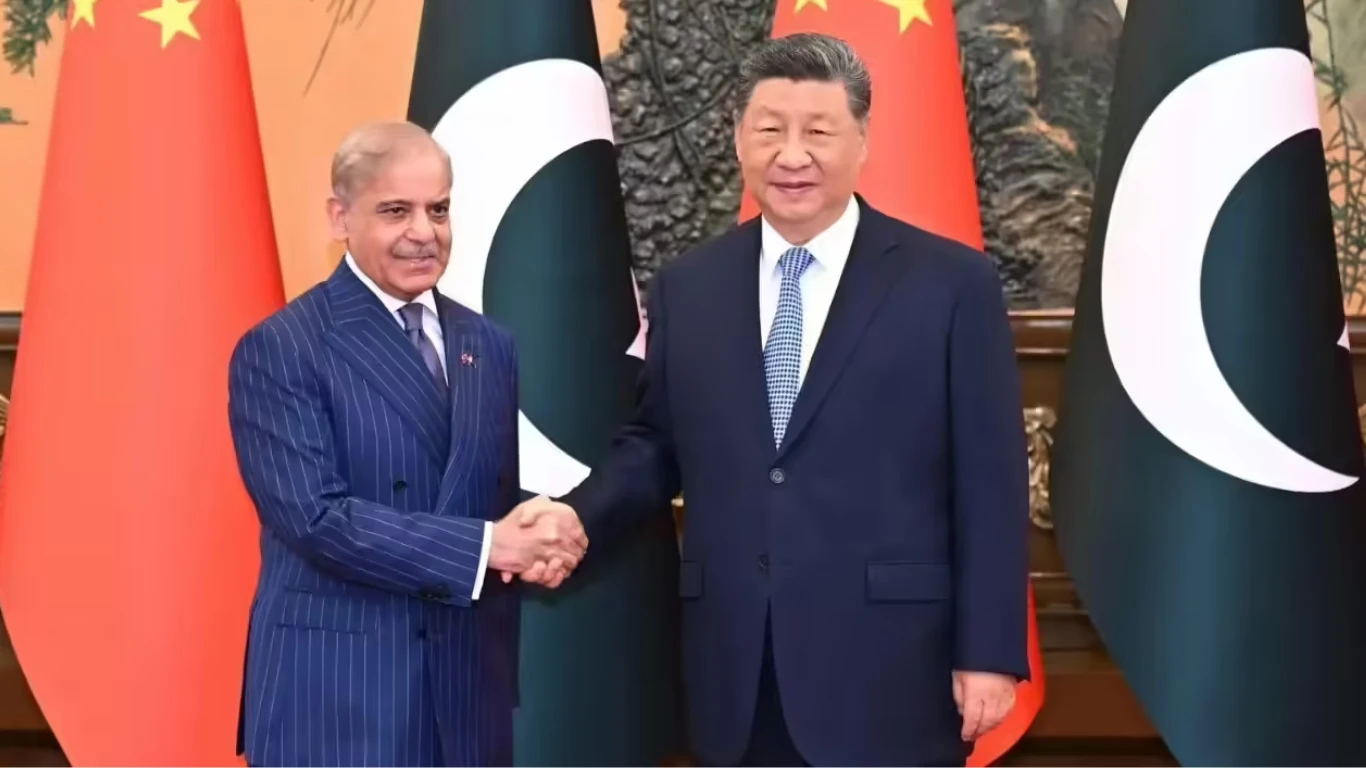
Pakistan Prime Minister Shehbaz Sharif was in Beijing on May 25, 2026, for high-level talks with Chinese President Xi Jinping. The two sides issued a joint statement, and within it were references to Jammu and Kashmir, renewed support for deeper cooperation under the China-Pakistan Economic Corridor (CPEC), and a call for enhanced "trans-boundary water resources cooperation."
During the meeting, Islamabad reportedly briefed Beijing on the latest developments in Jammu and Kashmir. In response, China repeated its standard position that the dispute is a legacy of history and should be resolved peacefully through the UN Charter, Security Council resolutions, and bilateral agreements.
That is where India drew the line.
India's Position: Clear, Consistent, and Non-Negotiable
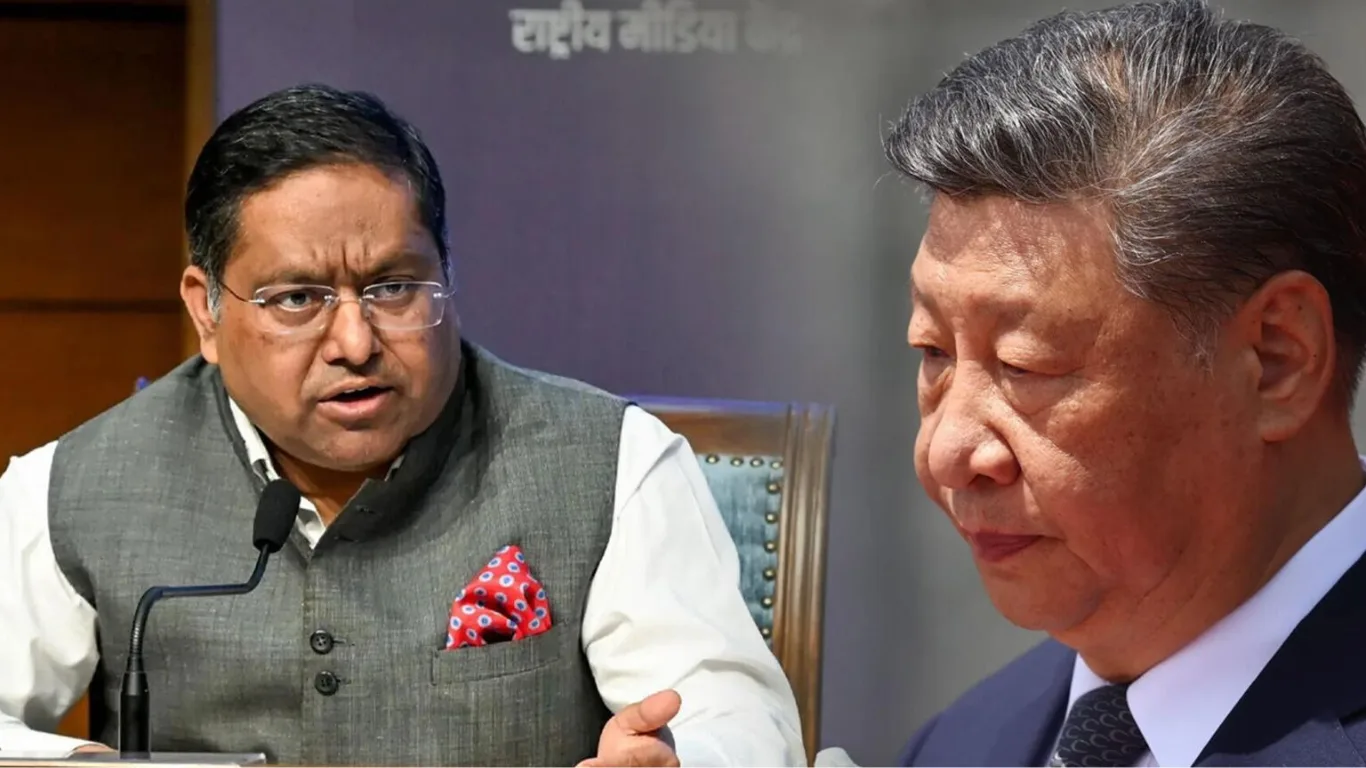
Responding to media queries, Ministry of External Affairs spokesperson Randhir Jaiswal said India categorically rejects the "unwarranted references" made in the China-Pakistan joint statement regarding Jammu and Kashmir.
The MEA stated that the Union Territories of Jammu and Kashmir and Ladakh "have been, are and will always remain integral and inalienable parts of India," asserting that no other country has the "locus standi" to comment on the matter.
Locus standi. That is a legal term meaning the right to bring a matter before a court or authority. India was essentially telling both China and Pakistan: this is not your issue to raise. You have no standing here.
Read More: Long,Term Residential Property Investment Strategy 2026
The CPEC Problem: Why India Keeps Rejecting It
This is where things get particularly sensitive. CPEC, the China-Pakistan Economic Corridor, is a massive infrastructure network connecting China's Xinjiang region to Pakistan's Gwadar port. The issue is that parts of this corridor pass directly through Pakistan-occupied Kashmir, territory that India claims as its own.
MEA spokesperson Jaiswal said that as regards CPEC projects, some of which are in India's sovereign territory, India resolutely opposes and rejects any moves by other countries to reinforce or legitimize Pakistan's illegal and forcible occupation of these territories, adding that India has conveyed its concerns to both Pakistani and Chinese authorities on multiple occasions.
For India, every time China backs CPEC in a joint statement, it is not just economic cooperation. It is, in New Delhi's reading, a deliberate endorsement of Pakistani control over disputed land.
Why Does China Keep Doing This?
China's position has remained consistent for years: the Kashmir dispute is a legacy of history and should be resolved through the UN Charter and bilateral agreements.
Beijing uses this language each time. India finds it unacceptable each time. There is something almost ritualistic about the cycle, except the stakes underneath it are anything but routine. China and Pakistan share a deep strategic partnership. For Beijing, supporting Pakistan's position on Kashmir costs little diplomatically but keeps its all-weather ally reassured.
For India, the cost of staying silent would be enormous.
Read More: PCOS Diet Plan for Weight Loss: What to Eat & Avoid for Hormonal Balance
This Is Not the First Time, But Context Matters Now
India has rejected such joint statements before, multiple times over the years. But the current moment carries added weight. India mounted a sharp diplomatic rebuttal this time, strongly opposing renewed Chinese backing for CPEC in Pakistan-occupied territories. This comes at a time when India-Pakistan relations remain deeply strained following recent security developments along the border, making any third-country commentary on Kashmir a particularly sensitive flashpoint.
What India's Opposition Leaders Said
Political unity on this was unusually clear. Leaders across party lines backed the MEA's strong rejection, with many asserting that Jammu and Kashmir is an integral part of India and calling for the return of Pakistan-occupied Kashmir.
That kind of cross-party consensus does not always happen in Indian politics. On this, it did.
What This Means Going Forward
India's diplomatic rejection of the China-Pakistan joint statement signals something beyond a routine rebuttal. It is a consistent assertion of sovereignty, repeated every time Beijing and Islamabad attempt to internationalize a matter that New Delhi considers entirely internal.
The real question is whether these statements from China and Pakistan actually change anything on the ground. So far, they have not. India's position has not shifted. Neither has the geography of the dispute.
But diplomatic messaging matters. Every statement, every rebuttal, every carefully worded MEA response is part of a longer conversation about who controls the narrative on one of the world's most contested regions. India is making sure its voice is not absent from that conversation, even when it would rather the conversation not exist at all.
Read More: Just 14 Days Off Social Media Could Reverse 10 Years of Brain Rot, New Study Reveals
Disclaimer: This article is based on information available across the web. Parchar Manch does not take responsibility for its complete accuracy, as the content could not be fully verified.
FAQs
What did the China-Pakistan joint statement on Jammu and Kashmir say?
The joint statement, issued during PM Shehbaz Sharif's visit to Beijing in May 2026, referenced Jammu and Kashmir and called for the dispute to be resolved through UN Security Council resolutions and bilateral agreements. It also expressed continued support for CPEC projects, some of which pass through territories India claims as its own.
Why did India reject the China-Pakistan joint statement?
India rejected it because it considers Jammu and Kashmir and Ladakh to be integral and inalienable parts of its territory. Any foreign reference to it as a disputed region, or any suggestion that outside parties should mediate, is firmly opposed by New Delhi.
What is CPEC, and why does India object to it?
The China-Pakistan Economic Corridor is a major infrastructure project linking China and Pakistan. India objects to it because parts of the corridor pass through Pakistan-occupied Kashmir, which India claims as sovereign territory. Supporting CPEC, in India's view, is the same as legitimizing Pakistani occupation of that land.
What does "locus standi" mean in this context?
It is a legal term meaning the right or standing to bring a matter forward. When India says China and Pakistan have no locus standi to comment on Jammu and Kashmir, it is asserting that neither country has any legitimate authority or right to raise the issue at all.
Has India rejected such joint statements before?
Yes, multiple times. India has consistently rejected references to Jammu and Kashmir in China-Pakistan joint statements going back several years. Each time, the MEA reaffirms that J&K is an internal matter and that outside commentary is unwelcome.
What is India's official position on the UN Security Council resolutions regarding Kashmir?
India does not accept the applicability of older UN Security Council resolutions on Kashmir, viewing them as outdated and overtaken by events. New Delhi insists the matter is settled as an internal issue and does not require any third-party resolution.