India Tells Oil Companies to Build 30-Day LPG Reserves: What It Means and Why It Matters Now
When the government quietly tells oil companies to start building emergency fuel reserves, it is worth paying attention. The India LPG strategic reserves directive, issued by a senior Petroleum Ministry official, has asked oil marketing companies to prepare plans for maintaining LPG stocks sufficient for at least 30 days of demand. The timing is not coincidental. It comes amid an escalating crisis in West Asia that has rattled global energy supply chains.
"They are working on it," the official confirmed to the media. Simple words. But behind them is a significant shift in how India is thinking about energy security.
Why India Building LPG Reserves Matters Right Now
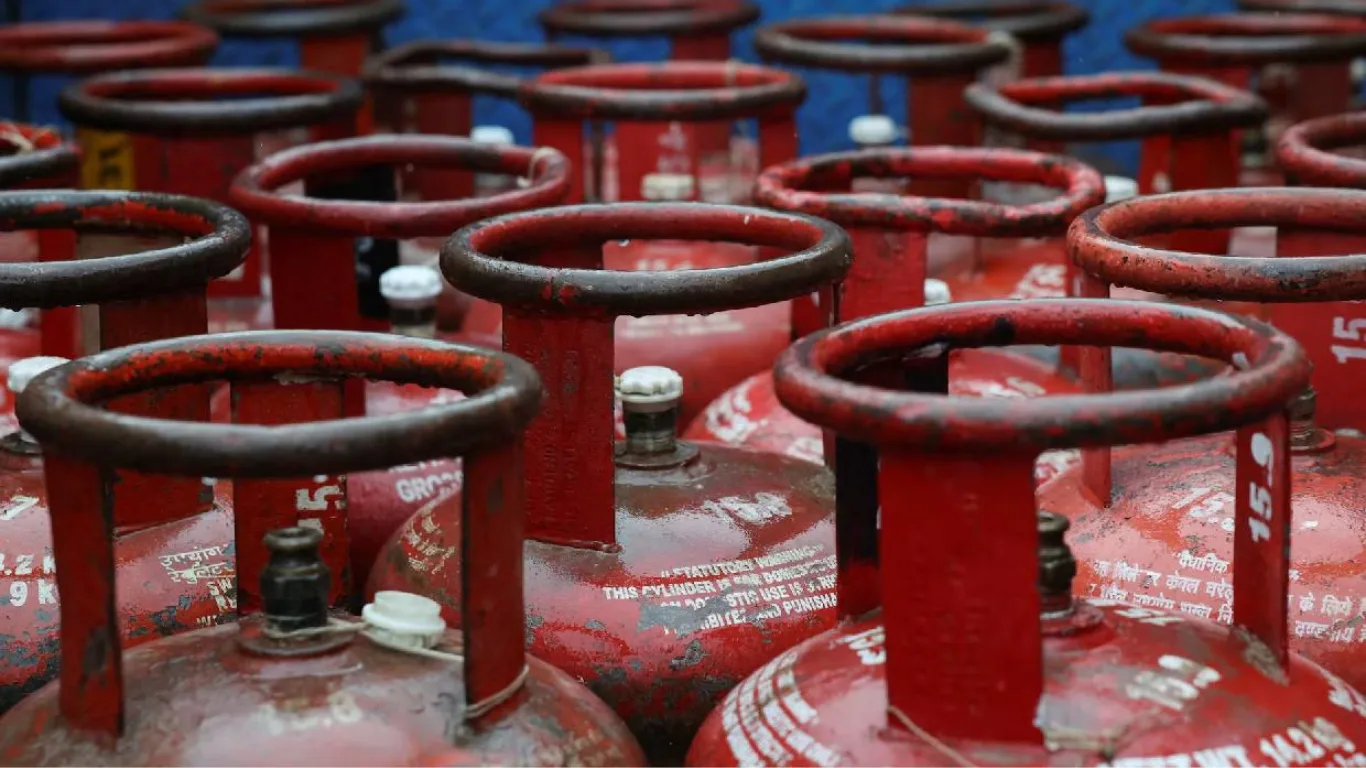
LPG, which is liquefied petroleum gas, is what powers the kitchen stoves of roughly 320 million Indian households. It is not an abstract commodity. When LPG supply tightens, families feel it immediately. Prices rise. Cylinders become scarce. The ripple effects reach rural areas fastest and hardest.
India imports a substantial portion of its LPG, and a significant share of those imports passes through or near the Strait of Hormuz, the narrow waterway separating Iran and Oman. With tensions in West Asia at their highest point in years, that shipping route is under pressure. The government is not waiting to find out what happens next.
This is the quiet urgency that sits behind the reserve-building directive.
What the Indian Government Has Already Done
The directive on 30-day LPG reserves is one piece of a broader emergency preparedness push. The Ministry of Petroleum and Natural Gas has been issuing regular reassurances alongside its directives, and the picture they paint is one of aggressive preparation rather than panic.
India's domestic LPG production has been ramped up significantly. Daily output from refineries reached approximately 52,000 metric tonnes per day, which is a record high. Refineries across the country are running at or above 100 percent utilisation. Oil companies including Indian Oil Corporation (IOC), Bharat Petroleum (BPCL), and Hindustan Petroleum (HPCL) have been boosting production and prioritising domestic consumer supplies.
Over 800,000 metric tonnes of LPG cargoes have already been secured and are en route to India from the United States, Russia, Australia, and other countries. These cargoes are arriving across India's 22 LPG import terminals spread along its coastline.
The government also reported that India currently holds around 74 days of total reserve capacity in crude oil, petroleum products, and dedicated strategic caverns, with actual stock cover at approximately 60 days.
Why a 30-Day LPG Reserve Specifically
Think of a 30-day reserve the way you would think of an emergency fund in personal finance. You do not need it most of the time. But when a crisis hits and supply gets disrupted, those 30 days give the government time to reroute imports, negotiate new supply contracts, and manage public distribution without triggering shortages or price spikes.
India's existing Strategic Petroleum Reserves, managed by Indian Strategic Petroleum Reserves Ltd (ISPRL), focus primarily on crude oil stored in underground caverns in Mangaluru and Padur in Karnataka, and Visakhapatnam in Andhra Pradesh. LPG-specific reserves are a separate category and building dedicated 30-day coverage for a commodity consumed by hundreds of millions of households is a significant undertaking.
The Indian government has been diversifying its LPG import sources away from Gulf-dependent supply chains, with increasing volumes from the US and Canada. This geographic diversification reduces the exposure to any single chokepoint like the Strait of Hormuz.
Read More: Core Member Sandeep Pathak's Exit from AAP Hits Party the Most , And Here Is Why
The Broader Picture: India's Energy Security Strategy
India imports over 80 percent of its crude oil needs. That dependence has always made the country vulnerable to global supply shocks. The West Asia crisis has simply made that vulnerability impossible to ignore.
The government has made the point publicly that Indian energy companies now have access to supply routes that do not pass through the Strait of Hormuz, a statement intended to signal to markets and the public alike that contingency planning is in place.
LPG production being at an all-time high is meaningful. But reserves are not just about production. They are about what you have stored when production or imports are disrupted. A 30-day buffer is the government asking the system to absorb the first month of a worst-case scenario without fracturing.
A Quiet Observation Worth Making
Governments rarely build reserves proactively unless they are genuinely worried about what is coming. The directive to oil marketing companies is not a crisis signal. It is a preparation signal. There is a difference. But the fact that India's petroleum ministry has gone from reassurance statements in March 2026 to formal reserve-building instructions by May 2026 tells you that the calculus has shifted.
Every cylinder delivered to a household is the final point of an immensely complex supply chain. A 30-day reserve is an effort to protect that chain from snapping.
Read More: Sanjay Dutt Returns as Ballu in Khal Nayak Sequel
Disclaimer: This article is based on information available across the web. Parchar Manch does not take responsibility for its complete accuracy, as the content could not be fully verified.
FAQs
Why is India building LPG reserves now?
Escalating tensions in West Asia, particularly around the Strait of Hormuz through which a significant share of India's LPG imports travel, have prompted the government to direct oil marketing companies to build 30-day LPG stockpiles as a precautionary measure.
Which companies are being asked to build LPG reserves?
The directive applies to India's oil marketing companies, primarily Indian Oil Corporation (IOC), Bharat Petroleum Corporation (BPCL), and Hindustan Petroleum Corporation (HPCL), which are the principal distributors of LPG in India.
What does 30 days of LPG reserves mean?
It means oil companies must maintain enough stored LPG to meet the country's full demand for 30 days without receiving any new imports or domestic production. This is a safety buffer against supply disruptions.
Is there an LPG shortage in India right now?
No. As of the latest government statements, there is no shortage of LPG anywhere in the country. Refineries are operating at full capacity and domestic production has reached record levels. The reserve-building is a forward-looking precautionary step.
How much LPG does India produce domestically?
India's domestic LPG production has been ramped up to approximately 52,000 metric tonnes per day, covering more than 60 percent of the country's daily requirement, with the remainder covered by imports.
Where does India import LPG from?
India has been diversifying its LPG imports away from Gulf sources. It is now importing from the United States, Russia, Australia, and other countries. Over 800,000 metric tonnes of secured LPG cargoes are currently en route to India's 22 import terminals.