India Rupee Slump 2026: Why the RBI Is Considering a Rate Hike and What It Means for You
When the currency of a country slides to nearly 97 to the dollar, the central bank stops having routine meetings. It starts having emergency ones.
The Rupee Has Fallen to a Record Low and the RBI Is Watching Closely
The Indian rupee slump that has been building through 2026 crossed a significant threshold this week. The rupee touched a fresh record low of nearly 97 to the US dollar, a number that would have been almost unthinkable a year ago. The Reserve Bank of India, which has spent months managing this decline through various interventions, is now internally reviewing a more aggressive response.
According to people with direct knowledge of the discussions, senior RBI officials including Governor Sanjay Malhotra have been holding a series of internal meetings to map out every available option. The message from one of those people was pointed: the top priority is to stop the depreciation, and the RBI is ready to do whatever it takes.
Whatever it takes. That phrase carries weight when it comes from a central bank.
Why the Rupee Is Falling This Hard
Three forces are pushing the rupee down simultaneously, and that combination is what makes the current situation more difficult than usual.
The first is elevated crude oil prices. India imports a substantial portion of its oil from West Asia. With the US-Iran war ongoing and the Strait of Hormuz under strain, global oil prices have risen sharply. For a major oil-importing economy, higher oil prices mean more dollars going out and fewer staying in.
The second is rising US Treasury yields. When yields on US government bonds go up, global investors tend to move money toward dollar-denominated assets because the return is better. That pulling of capital away from emerging markets puts pressure on currencies like the rupee.
The third is the dramatic narrowing of the interest rate differential between the US and India. Normally, Indian interest rates are meaningfully higher than American ones, which attracts foreign investors into Indian bonds. That gap has narrowed to over a decade low, making Indian debt less attractive to foreign capital.
The result: foreign fund outflows from Indian stocks in 2026 have already exceeded the record $19 billion seen in all of last year. That is a large number. It puts sustained selling pressure on the rupee because those exits require converting rupees back to dollars.
What Tools the RBI Is Actually Considering
The internal discussion at the RBI is not about one tool. It is about a combination of measures, each with different trade-offs.
The first is an interest rate hike. Raising borrowing costs would widen the interest rate gap between India and the US, making Indian bonds more attractive to foreign investors again. More inflows mean more demand for the rupee, which supports the exchange rate. The RBI's six-member monetary policy committee is scheduled to meet June 3 to 5, which is the next formal window to make this move.
The second is currency swaps and forex intervention. The RBI has already been actively selling dollars from its reserves to provide support. It recently announced a $5 billion dollar-rupee buy-sell swap auction aimed at improving liquidity and reducing volatility in the forward currency markets.
Read More: Google's REPLIQA Program: How Quantum AI and Life Sciences Are About to Change Medicine Forever
The third option being discussed is raising dollars from overseas investors, essentially bringing in external capital to bolster the currency's position directly.
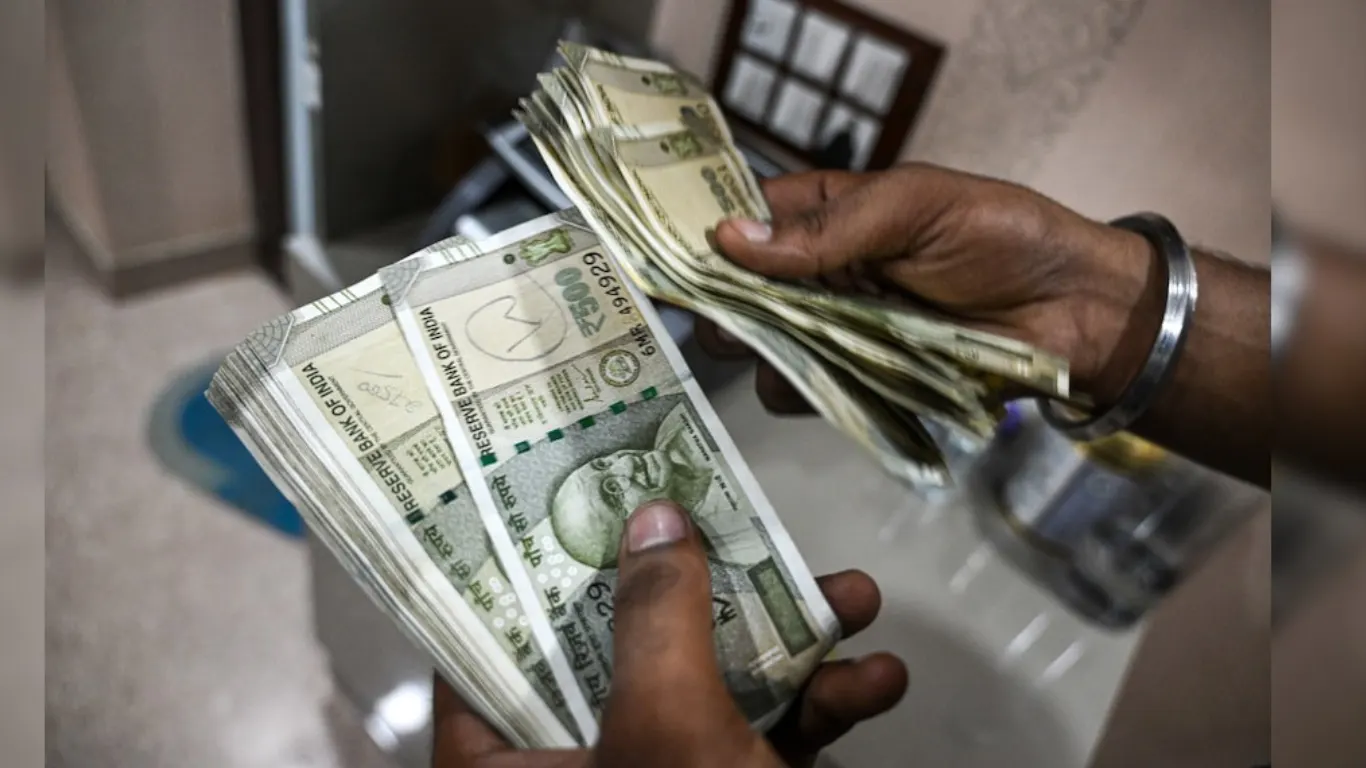
Each of these has costs. A rate hike makes borrowing more expensive across the economy, potentially slowing growth and increasing the burden for home loan borrowers, businesses, and the government on its own debt. It is not a free solution. But the recognition inside the RBI, as described by those familiar with the discussions, is that the rupee is depreciating faster than anticipated, and inaction carries its own risks.
What This Means for Ordinary Indians
A weakening rupee is not just a financial markets story. It touches daily life in specific ways.
Import costs rise. Electronics, edible oils, crude oil, and many industrial inputs are priced in dollars. When the rupee weakens, these become more expensive in rupee terms. That feeds into retail prices.
Fuel prices increase. India has already raised fuel prices twice this year. A rupee at 97 to the dollar makes imported crude even more expensive in domestic terms, creating pressure for further hikes.
Inflation may rise. Imported inflation, as it is called, happens when a weaker currency makes foreign goods cost more domestically. Combined with already elevated global commodity prices, this adds to the cost of living for households.
NRIs benefit temporarily. For Indians abroad who send remittances home, a weaker rupee means their dollars convert to more rupees. That is a financial advantage in the short term.
Closing Thoughts
A currency reflects how the world values a country's economic prospects in real time. The rupee's fall to near-97 against the dollar is not just a number. It is a signal that the pressures on India's economy, from elevated oil prices to geopolitical uncertainty to thinning interest rate advantages, are arriving together at an uncomfortable moment. The RBI is now caught between two imperatives: stabilise the currency, and support economic growth. A rate hike can do the first. It complicates the second.
The June monetary policy meeting will be one to watch very closely.
Disclaimer: This article is based on information available across the web. Parchar Manch does not take responsibility for its complete accuracy, as the content could not be fully verified.
FAQs
Why has the Indian rupee fallen to a record low in 2026?
The rupee has weakened due to elevated crude oil prices from the West Asia conflict, rising US Treasury yields pulling global capital toward dollar assets, record foreign fund outflows from Indian markets, and a narrowing of the interest rate gap between India and the US.
What is the RBI considering to stabilise the rupee?
The RBI is evaluating an interest rate hike, more currency swap operations, aggressive dollar-selling forex intervention, and raising dollar funding from overseas investors. Governor Sanjay Malhotra and other senior officials have held internal meetings to assess these options.
When is the RBI's next monetary policy meeting?
The RBI's six-member monetary policy committee is scheduled to meet June 3-5, 2026. This is the next formal opportunity for the central bank to announce a rate change.
How does a rupee at 97 to the dollar affect everyday people?
A weaker rupee makes imports more expensive, including crude oil, edible oils, and electronics. This feeds into retail inflation and can lead to fuel price increases. Home loan borrowers may also face higher EMIs if the RBI raises interest rates in response.
What is a dollar-rupee swap and why is the RBI using it?
A dollar-rupee swap is an operation where the RBI buys rupees and sells dollars in the spot market while simultaneously agreeing to reverse the transaction at a future date. It injects dollar liquidity into the system and reduces volatility in currency forward markets.
How much foreign capital has left Indian markets in 2026?
Foreign fund outflows from Indian stocks in 2026 have already exceeded the record $19 billion that left the market in all of 2025, according to available reports, reflecting the scale of investor concern about India's current economic pressures.