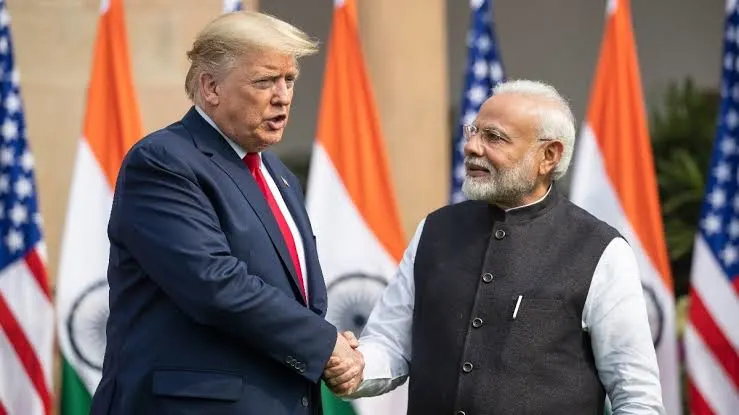
India US Trade Deal 2026: What the New Agreement Means for Businesses and Consumers
The India US Trade Deal 2026 has become one of the most discussed economic developments of the year. As both countries work to strengthen their strategic and commercial partnership, the agreement is expected to reshape trade, investment, and manufacturing across multiple sectors. The India US Trade Deal 2026 is being viewed as a major step toward improving market access, reducing trade barriers, and encouraging bilateral cooperation.
Government officials and industry leaders believe the agreement could boost exports, create new employment opportunities, and make products more competitive in global markets. While the complete implementation will take time, the India US Trade Deal 2026 is already attracting attention from businesses, investors, and consumers looking to understand its long-term impact.
What Is the India US Trade Deal 2026?
The India US Trade Deal 2026 is a bilateral trade agreement aimed at expanding economic cooperation between India and the United States. It focuses on improving market access, simplifying trade procedures, and encouraging investment in key sectors such as manufacturing, agriculture, pharmaceuticals, technology, and clean energy.
The agreement also seeks to reduce tariff-related concerns on selected products while promoting a more predictable business environment. Both governments have emphasized that stronger economic ties can help improve supply chain resilience and increase trade volumes over the coming years.
Why the Agreement Matters
Trade between India and the United States has steadily grown over the past decade. The latest agreement reflects the shared goal of expanding business opportunities while strengthening strategic relations.
Some of the expected benefits include:
- Higher export opportunities for Indian businesses.
- Increased foreign investment in manufacturing.
- Better access to advanced technologies.
- Improved cooperation in digital trade.
- Stronger supply chains between both countries.
- Growth in employment across export-driven industries.
Experts believe these measures could help India strengthen its position as a global manufacturing and export hub.
Sectors Expected to Benefit
Manufacturing
Manufacturing is expected to be among the biggest beneficiaries. Companies producing electronics, machinery, engineering goods, and industrial equipment may receive improved market access.
Pharmaceutical Industry
India is one of the world's largest pharmaceutical exporters. Easier trade conditions may increase exports of medicines and healthcare products to the US market while supporting future research collaborations.
Information Technology
India's IT sector could benefit from stronger cooperation in artificial intelligence, cybersecurity, cloud computing, and digital services. Technology partnerships may encourage innovation and create new employment opportunities.
Agriculture
Agricultural exports may also receive a boost through improved market access and smoother trade procedures. Farmers and food processing companies could benefit from higher international demand.
Clean Energy
Both nations have shown interest in expanding cooperation on renewable energy, electric vehicles, and sustainable technologies. Investments in clean energy projects could increase significantly.
Impact on Indian Businesses
For Indian exporters, the agreement may reduce several trade-related challenges. Easier access to the US market can encourage companies to expand production and improve product quality.
Small and medium-sized enterprises (SMEs) may also benefit if export procedures become simpler. Businesses involved in textiles, engineering goods, electronics, chemicals, and food products are closely monitoring future policy announcements.
Companies may also receive greater confidence to invest in new manufacturing facilities, generating employment in multiple states.
What Consumers Can Expect
Consumers could benefit indirectly from the agreement through increased competition and better product availability.
Possible advantages include:
- Greater product choices.
- Improved quality standards.
- More investment in innovation.
- Faster technology adoption.
- Potential long-term price stability in selected sectors.
Although immediate price changes are unlikely, stronger trade relations often improve supply chains and encourage market competition over time.
Read More: Trade Agreements 2026: India’s Expanding Global Market and What It Means for Growth
Challenges Ahead
Despite positive expectations, experts believe successful implementation remains essential. Businesses will closely watch tariff rules, regulatory approvals, customs procedures, and sector-specific guidelines.
Global economic uncertainty, geopolitical developments, and currency fluctuations may also influence the agreement's overall impact. Continuous dialogue between both governments will be important to address future trade concerns.
Economic Outlook
Economists expect the India US Trade Deal 2026 to strengthen bilateral trade over the next several years. Increased exports, higher investment, and closer cooperation in advanced industries may contribute to stronger economic growth.
The agreement also supports India's broader objective of becoming a global manufacturing destination while helping the United States diversify supply chains.
If implemented effectively, the partnership could become one of the most significant economic collaborations in the Indo-Pacific region.
Conclusion
The India US Trade Deal 2026 represents a significant milestone in the growing partnership between India and the United States. By improving trade, encouraging investment, and supporting innovation, the agreement has the potential to create new opportunities for businesses, workers, and consumers.
While some benefits will emerge gradually, the long-term outlook remains positive. Companies across manufacturing, technology, pharmaceuticals, agriculture, and clean energy will continue monitoring future developments as implementation progresses. As both countries deepen their economic relationship, the India US Trade Deal 2026 could play an important role in shaping global trade and investment in the coming years.
FAQs
What is the India US Trade Deal 2026?
The India US Trade Deal 2026 is a bilateral agreement aimed at strengthening trade, investment, and economic cooperation between India and the United States.
Which sectors will benefit from the India US Trade Deal 2026?
The India US Trade Deal 2026 is expected to benefit manufacturing, pharmaceuticals, IT, agriculture, clean energy, and engineering industries.
Will the India US Trade Deal 2026 reduce product prices?
The India US Trade Deal 2026 may improve supply chains and competition, but any impact on consumer prices will depend on implementation and market conditions.
How does the India US Trade Deal 2026 help exporters?
The India US Trade Deal 2026 is designed to improve market access, simplify trade procedures, and encourage higher exports from Indian businesses.
Why is the India US Trade Deal 2026 important for India's economy?
The India US Trade Deal 2026 can boost exports, attract investment, strengthen manufacturing, create jobs, and enhance India's position in global trade.