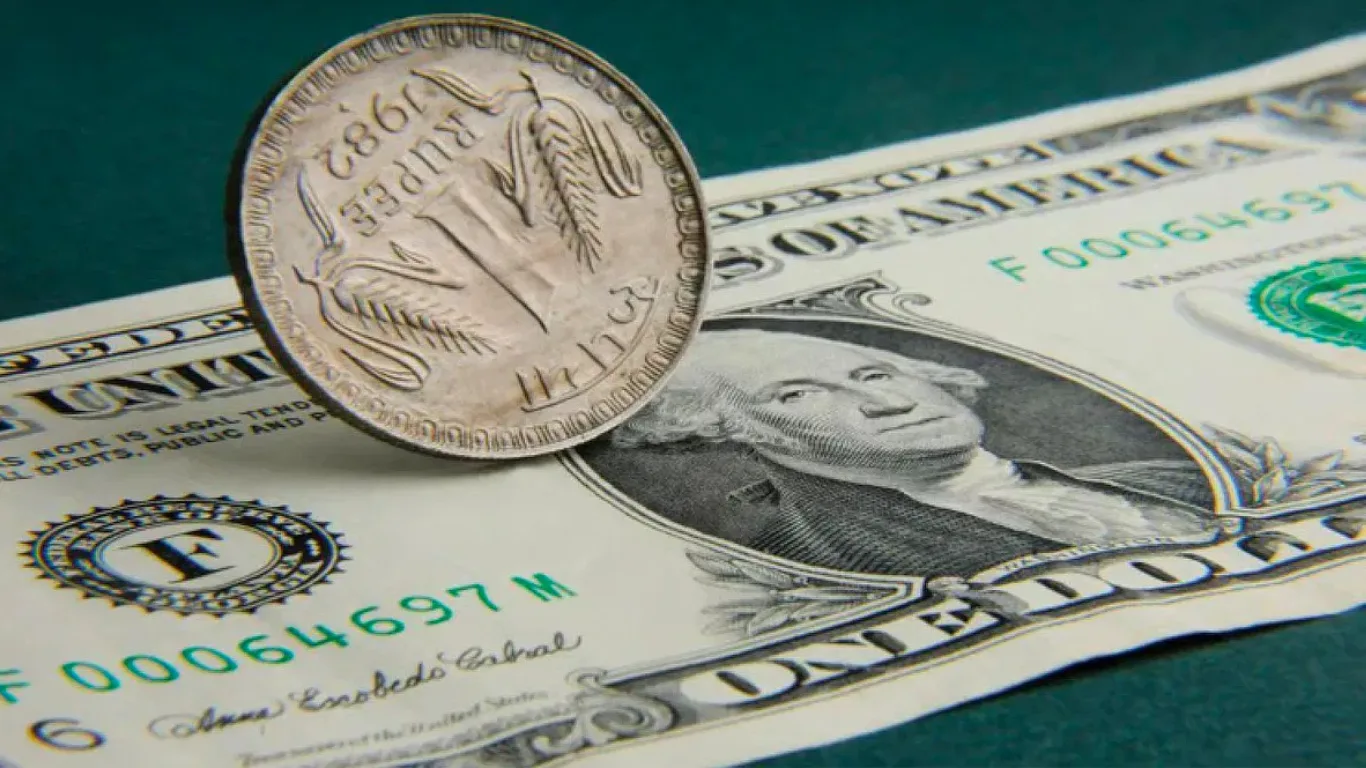
Indian Rupee Falls to 96.38 Against Dollar: What Is Really Happening and Why Every Indian Should Pay Attention
The number 96.38. That is what one US dollar costs in Indian rupees right now. A few years ago, if someone had told you the rupee would be trading at these levels, it would have sounded alarming. Today, it is the front page. And yet, most people scrolling past the headline do not fully understand what this means for their grocery bills, their jobs, or their savings.
Let us fix that.
Why the Rupee Keeps Falling to Record Lows in 2025
The Indian rupee has been sliding against the US dollar for several days in a row now. Reports confirm it has hit all-time lows repeatedly, touching 96.20, then 96.35, and now 96.38 in a single week. That is not a one-day blip. That is a trend with real causes.
The two biggest drivers? Rising global oil prices and surging global bond yields. India imports roughly 85% of its oil. When crude crosses $100 per barrel, India has to spend far more dollars to buy the same amount of oil. More dollar demand means the rupee weakens. It is that straightforward.
Then there are Middle East tensions. Every escalation in the region sends oil prices higher and investors rushing toward safer assets like the US dollar. When the world buys dollars, every other currency, including the rupee, falls by comparison.
Read More: WhatsApp Ending Support for Older Android Phones in September 2026: Is Your Device on the List?
What Currency Depreciation Actually Means (In Plain Language)
Think of it this way. You have a bucket of water, and the bucket represents India's currency. When more people want the water from other buckets, yours looks less valuable. The rupee depreciation simply means that, relative to the dollar, the rupee buys less.
If the exchange rate shifts from 83 to 96, an Indian company importing raw materials from the US suddenly has to pay 15% more in rupee terms for the exact same goods. That cost does not disappear. It quietly moves into prices, into margins, into your monthly expenses.
How This Affects Ordinary People
Here is where things get real.
Imports become more expensive. That means electronics, edible oils, fertilizers, and medicines that India imports, all carry a higher rupee cost. Inflation quietly rises, even if you never followed a currency chart in your life.
For students studying abroad or families sending remittances, a weaker rupee means your money goes further in dollar terms when received overseas. Gulf News reported that the rupee's fall against the UAE dirham has actually created a remittance boom, with NRIs sending more money home because the exchange rate works in their favor.
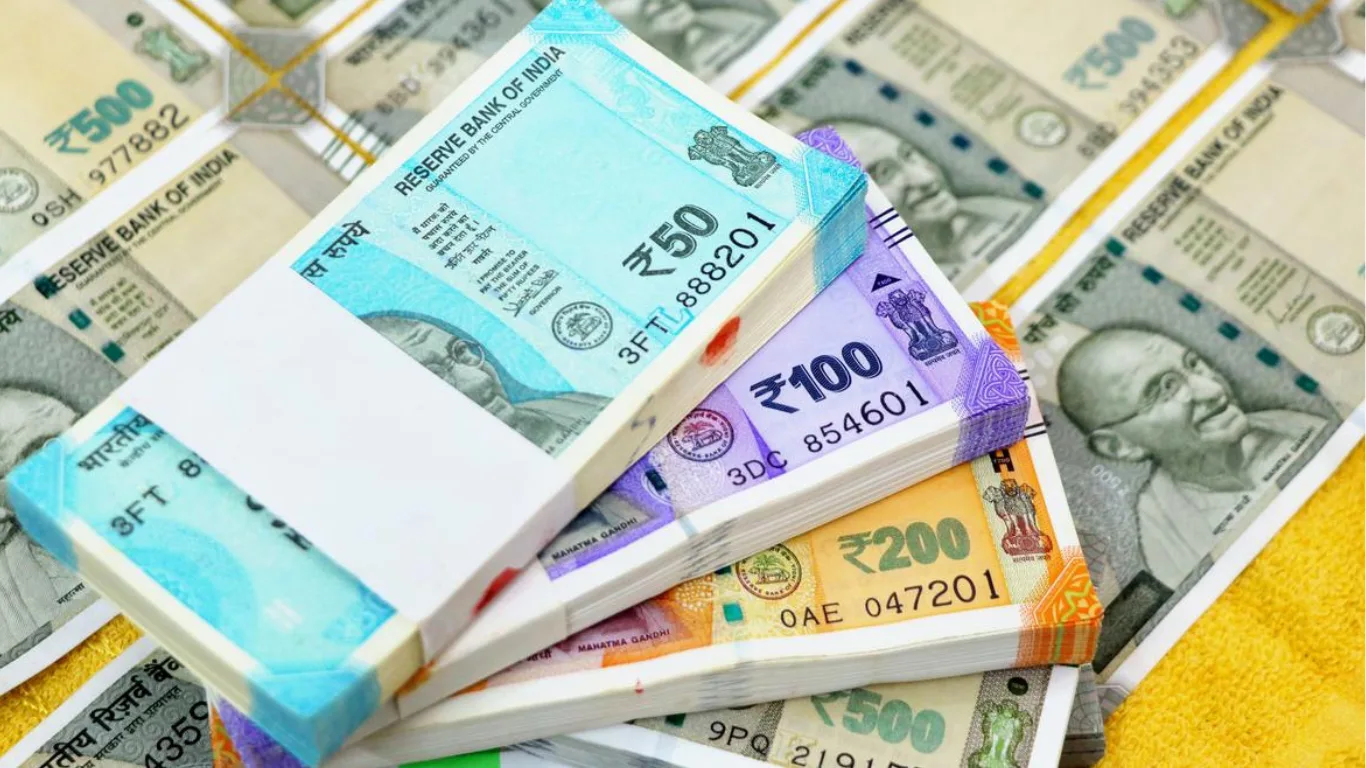
Meanwhile, Indian exporters are quietly celebrating. A weaker rupee makes Indian goods and services cheaper for foreign buyers. IT companies billing in dollars, textile exporters, pharma companies selling abroad. They all earn more in rupee terms.
What the RBI Is Doing About It
The Reserve Bank of India is not sitting still. Traders and reports suggest the RBI has been selling dollars through state-run banks to reduce the rupee's volatility. This is called intervention in the forex market, and it is a classic central bank tool.
But here is the tension. Some economists argue a weaker rupee, within limits, is actually part of the solution for India's current account deficit. Exports improve. Imports slow. The currency finds its own level. The problem is when the fall is too fast, too sharp. That is when it becomes disruptive.
One former Chief Economic Adviser warned that if oil stays above $100 per barrel and the RBI stops managing volatility, the rupee could slide toward 102 against the dollar. That would be a different conversation entirely.
What People Get Wrong About a Weak Rupee
Most people assume a falling rupee is purely bad news. It is not that simple.
A gradual depreciation can help exports, attract foreign direct investment (since Indian assets become cheaper), and correct trade imbalances. What is actually damaging is uncertainty and speed. When the rupee falls sharply and rapidly, it creates imported inflation, squeezes corporate margins on imported inputs, and shakes investor confidence.
The mistake is treating INR depreciation as a crisis when it is a policy variable with both costs and benefits, depending on speed and context.
What Should You Actually Do?
If you have international travel or education expenses coming up, this is not the time to delay your foreign exchange purchases. Lock in rates sooner.
If you invest in mutual funds, specifically those with international exposure or dollar-denominated assets, watch the net asset values. They often benefit when the rupee weakens.
For businesses importing goods, this is a good time to review hedging strategies to protect against further currency moves.
If you are an NRI or have family abroad, existing remittances now carry better value in rupee terms.
A Quiet Observation to Close With
The rupee's journey from 45 to 96 against the dollar did not happen overnight. It has been decades in the making, shaped by oil shocks, global crises, domestic policy choices, and forces entirely outside India's control. The current slide is serious, but it is not unprecedented. India has navigated worse.
What matters now is whether policymakers can separate the factors they can influence, domestic fiscal balance, export competitiveness, energy policy, from those they cannot, global oil prices, US Federal Reserve decisions, geopolitical fires.
The rupee is not just a number. It is a mirror. Right now, it is reflecting a complicated world.
Disclaimer: This article is based on information available across the web. Parchar Manch does not take responsibility for its complete accuracy, as the content could not be fully verified.
Read More: UAE Quits OPEC Amid Iran War – Impact on Global Oil Markets & Prices
FAQs
Why did the rupee fall to 96.38 against the US dollar?
The primary reasons are high global oil prices increasing India's import bill in dollars, rising global bond yields pulling investors toward the dollar, and ongoing Middle East tensions. All three forces simultaneously increased demand for dollars while weakening demand for rupees.
Is a weak rupee always bad for India?
Not necessarily. While it raises the cost of imports and can fuel inflation, a weaker rupee also makes Indian exports more competitive globally and increases the rupee value of dollar earnings for IT firms, exporters, and NRI remittances.
What is the RBI doing to stop the rupee from falling further?
The RBI has reportedly been intervening by selling dollars through state-run banks to contain excessive volatility, though it generally allows the currency to find its market level within limits.
How does the rupee's fall affect my daily life?
If oil prices remain elevated, fuel and transportation costs may rise. Imported goods, from electronics to edible oils, can also become more expensive. However, if you receive money from abroad, the value in rupees has gone up.
Could the rupee fall to 100 against the dollar?
Some analysts and economists have flagged this possibility if oil remains above $100 per barrel and the RBI reduces its market intervention. Policymakers are reportedly drawing on lessons from previous currency stress episodes to prevent a disorderly slide.