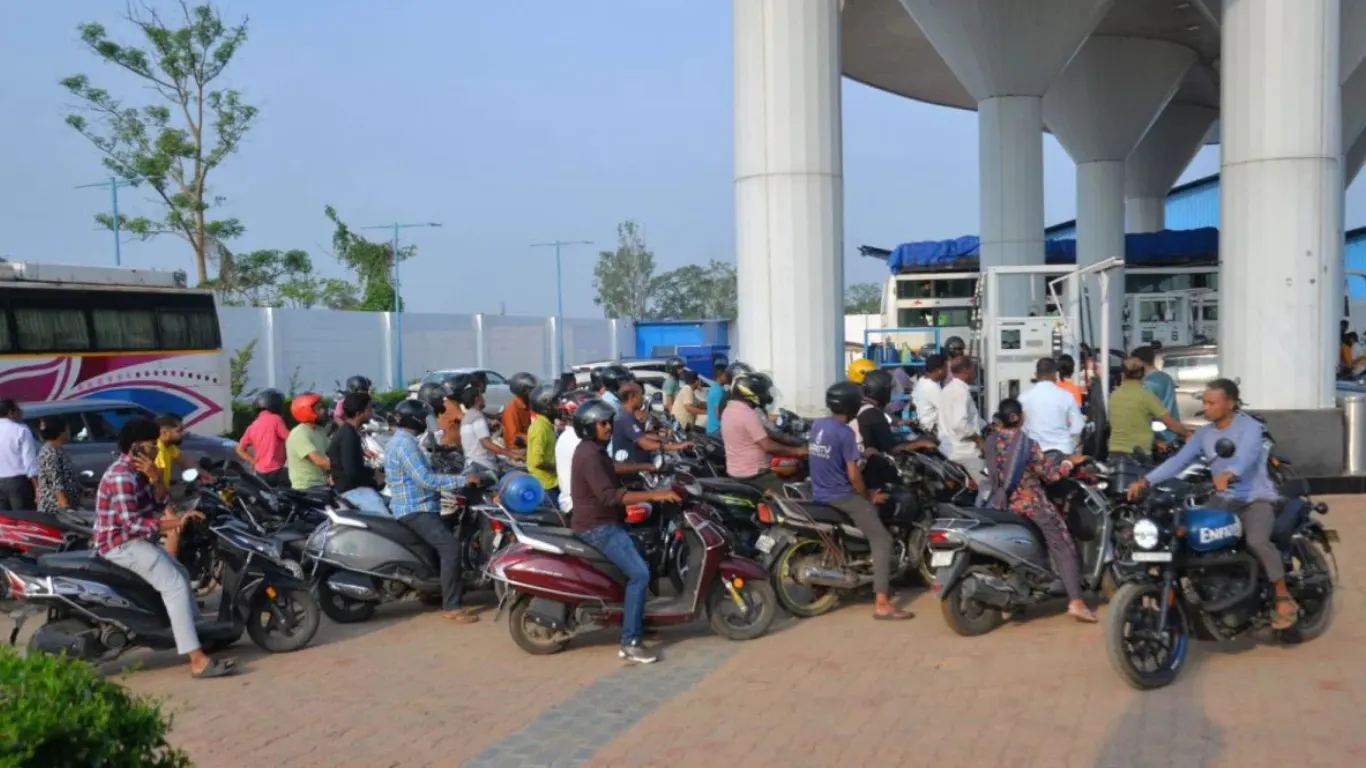
India's Petrol and Diesel Prices Jump Rs 3 Per Litre: What It Costs You, Why It Happened, and What Comes Next
The last time India touched fuel prices was over two years ago. Not a single rupee moved. Then, on May 15, 2026, state-run oil marketing companies revised petrol and diesel prices by Rs 3 per litre effective immediately, no warning, no gradual rollout. Just overnight, higher numbers at every pump across the country.
For most people, the first reaction was simple: how much more am I paying now?
But there's a bigger story behind this move one that connects global oil markets, a war in West Asia, and the financial health of three of India's largest public sector companies.
Why the India Petrol Price Hike 2026 Was Unavoidable
India imports roughly 85% of its crude oil. That single fact explains almost everything about how domestic fuel prices behave. When global crude prices rise, Indian oil companies IOC, HPCL, and BPCL absorb the difference for as long as politically possible. But absorption has limits.
The West Asia conflict, involving Iran and Israel, had already pushed Brent crude prices sharply higher in the weeks before this hike. Oil marketing companies (OMCs) were reportedly selling petrol and diesel below their actual cost, bleeding hundreds of crores of rupees every day.
The government, through official sources, confirmed that passing on the full impact of the crude price shock would have required a price increase of 200% to 300%. A Rs 3 hike, then, is actually a controlled release painful but calibrated.
Union Minister Kiren Rijiju pointed out that while several countries witnessed fuel price hikes ranging from 20% to nearly 100% amid the same global crisis, India managed to hold the increase to just 3.2% for petrol and 3.4% for diesel. That context matters, even if it doesn't feel comforting at the pump.
What Are the New Fuel Prices Across Major Cities?
The revised rates vary by city because fuel prices in India include state-level taxes and VAT on top of the central government's excise duty. The Rs 3 national hike is the base revision what cities actually charge depends on their own tax structure.
In Delhi, petrol now stands at approximately Rs 97.77 per litre, while diesel has moved to around Rs 90.67 per litre. Cities like Mumbai and Kolkata, which carry higher state taxes, will see petrol cross the Rs 103 mark in some cases.
CNG prices have also seen a revision of Rs 2 per unit in several cities, compounding the pressure on commuters who switched to compressed gas vehicles to avoid petrol costs.
Read More: Born After 2008? You Can Never Legally Buy a Cigarette in the UK. Here Is What That Actually Means
How the Fuel Price System Actually Works in India
Many people assume the government sets fuel prices directly. It does not not anymore. India moved to dynamic fuel pricing in 2017, which meant prices were supposed to be revised daily based on a 15-day rolling average of international crude prices.
In practice, that system has rarely worked as advertised. Every significant price revision in the last several years has been a political decision as much as an economic one. The government froze prices ahead of state elections, held them steady through budget cycles, and only allowed corrections when the OMC losses became impossible to ignore.
The oil marketing companies IOC (Indian Oil Corporation), HPCL (Hindustan Petroleum Corporation Limited), and BPCL (Bharat Petroleum Corporation Limited) are the entities that actually set pump prices. When crude rises, and retail prices don't move, these companies book under-recoveries. When the gap becomes large enough, a price hike follows.
This is that moment.
Read More:Vijay's Tamil Nadu Power Bid: What Is Really Happening and Why This Political Drama Is Far From Over
What Gets Costlier Beyond the Fuel Tank
A Rs 3 hike sounds modest in isolation. The chain reaction it sets off is not.
Transport costs go up almost immediately. Truck operators revise freight charges within days of any fuel price change, which is then passed on to the goods they carry. Vegetables, fruits, packaged foods, and construction materials all face upward cost pressure. The last mile of delivery the auto-rickshaw, the tempo, the delivery van gets more expensive, and those costs reach the consumer.
Cab aggregators like Ola and Uber have already flagged fuel costs as a key variable in their pricing structures. Surge pricing may become more frequent. Daily commuters who rely on app-based cabs will likely see fare increases within weeks.
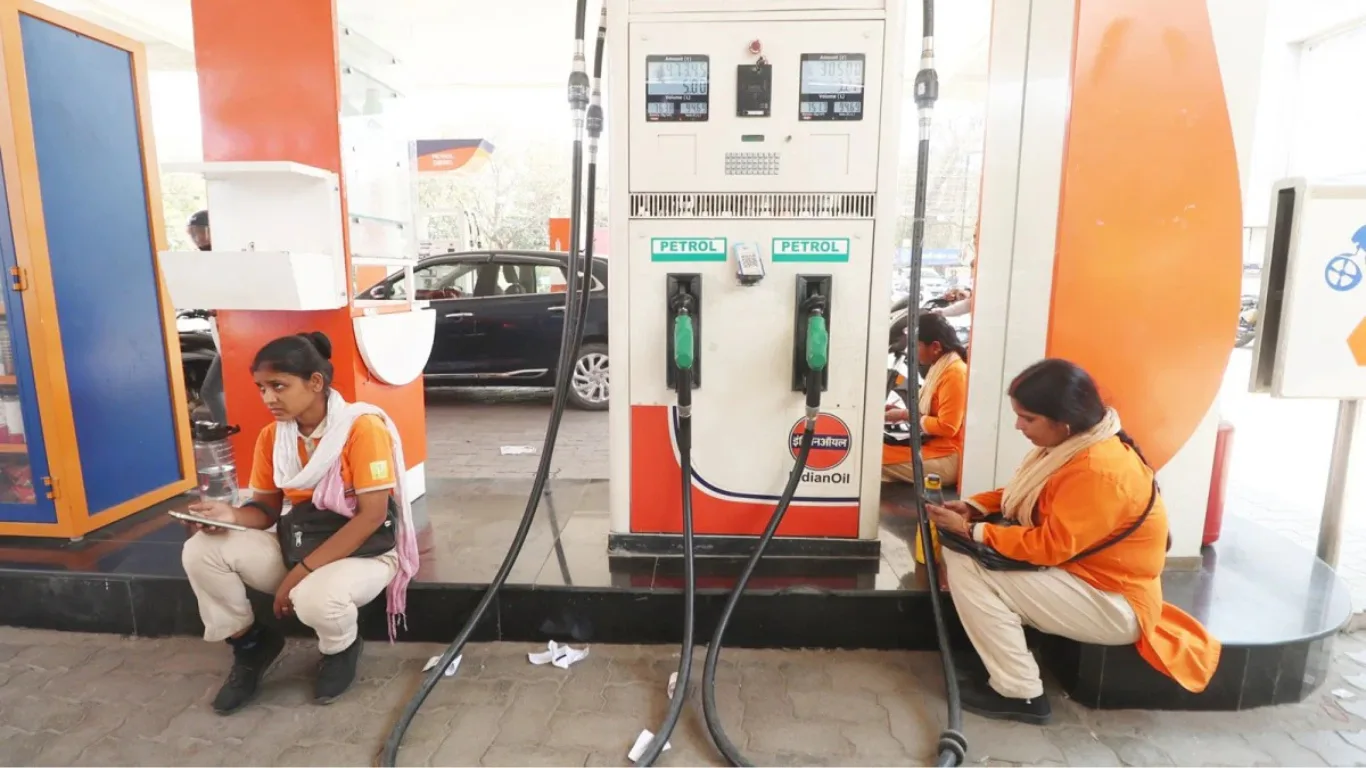
The broader inflationary impact on the economy is a legitimate concern. Diesel, in particular, moves everything in India. It powers farming equipment, irrigation pumps, long-haul trucks, and rural transport. A sustained diesel price increase has historically fed into food inflation within one to two months.
What the Stock Market Said
Counterintuitively, OMC stocks fell after the hike was announced. IOC, HPCL, and BPCL all traded lower despite the seemingly positive news of revenue recovery.
The reason is straightforward to analysts: the Rs 3 hike, while welcome, may not be enough to fully offset the under-recoveries that have already accumulated. Markets were also pricing in concerns about demand destruction higher prices can reduce fuel consumption volumes, which in turn affects overall revenue.
The Political Reaction
The BJP framed the hike as a necessary act of economic responsibility, with some leaders invoking the phrase "economic patriotism." The Congress and opposition parties were swift in their criticism, with slogans targeting the Prime Minister and pointing to the irony of a fuel hike arriving days after PM Modi publicly called on citizens to conserve fuel.
The political optics of a price hike are never easy. But the financial reality OMCs losing money at scale left the government with limited room.
What to Watch Going Forward
The West Asia situation remains volatile. If Brent crude stays elevated or climbs further, a second round of revision cannot be ruled out. The government's room to absorb losses is constrained by fiscal targets, and OMC balance sheets have already taken damage.
Consumers and businesses should plan with the assumption that fuel prices may not fall anytime soon. If crude softens meaningfully say, below $70 a barrel there could be a partial rollback. But betting on that in the current geopolitical environment would be optimistic.
Disclaimer: This article is based on information available across the web. Parchar Manch does not take responsibility for its complete accuracy, as the content could not be fully verified.
FAQs
Why did India raise petrol and diesel prices on May 15, 2026?
The hike was triggered by sustained losses at state-run oil marketing companies, driven by rising global crude prices due to the West Asia (Iran-Israel) conflict. The Rs 3 per litre revision is a partial correction — government sources indicated that passing on the full cost impact would have required a 200% to 300% increase.
What are the new petrol and diesel prices in major Indian cities?
Petrol in Delhi is now approximately Rs 97.77 per litre, and diesel is around Rs 90.67 per litre. Prices vary by city due to different state taxes and VAT structures. Cities with higher state levies will see higher pump prices.
Will this fuel price hike cause inflation to rise?
Very likely, yes — especially in the short term. Diesel price increases affect freight and logistics costs, which then feed into the prices of everyday goods, including vegetables, food items, and consumer products. The full inflationary impact typically becomes visible within four to eight weeks.
Will petrol and diesel prices come down again soon?
That depends on international crude prices and the geopolitical situation in West Asia. If Brent crude falls significantly, there is a possibility of a rollback. In the current environment, however, further stability or even another small revision remains possible.
Why did oil company stocks fall despite the price hike?
Markets were concerned that Rs 3 may not be sufficient to recover the accumulated under-recoveries at IOC, HPCL, and BPCL. There were also concerns about lower fuel demand volumes if consumers cut back due to higher prices.
How does India decide fuel prices, and who controls them?
India officially follows a dynamic pricing model where fuel prices are revised based on international crude benchmarks. In practice, oil marketing companies — IOC, HPCL, and BPCL — set the retail prices, often with implicit government influence. Major revisions, like this one, reflect a combination of financial necessity and political timing.