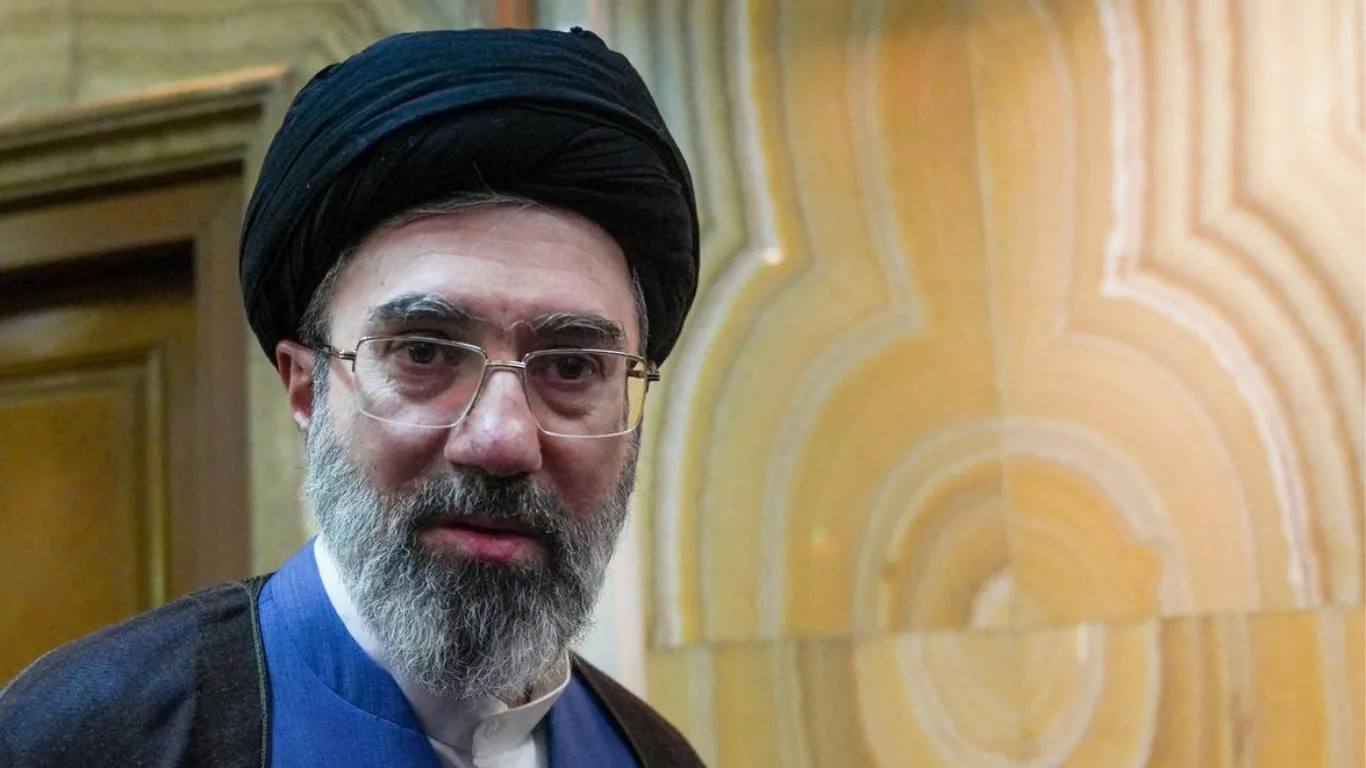
Iran Reveals Mojtaba Khamenei's Injuries: What Really Happened the Day Tehran Was Struck
Mojtaba Khamenei, Iran's new Supreme Leader, was wounded in the same US-Israeli airstrike that killed his father on February 28, 2026. For nearly three months, the world had no official picture of how serious those injuries were. Now, Iran is finally speaking.
What Iran's Health Ministry Actually Said
On May 26, 2026, Iran's Health Ministry spokesman Hossein Kermanpour gave the first detailed official account of Mojtaba's condition to the ILNA news agency. His words were careful, measured, and to many observers surprisingly reassuring.
"Apart from superficial injuries to the face, head and legs, which caused neither amputation nor any particular medical problem, nothing major had happened," Kermanpour said.
He went further: "From my perspective as a physician, these were not considered serious injuries and required no special procedures apart from one or two stitches."
The injuries, he confirmed, were superficial wounds facial, on the head, and on the legs. No limbs lost. No lasting medical damage. One or two stitches on the leg. That was it, officially.
The Day of the Strike: A Timeline
Kermanpour filled in details that had been missing since February.
Mojtaba arrived at a hospital whose location was not disclosed at around 1:00 pm Tehran time on February 28. He entered the operating room alongside several other wounded individuals from the same strike.
What happened next is quietly striking. Mojtaba, observing Ramadan, refused to break his fast. He waited until iftar — sunset — to eat or drink, even while in medical care. Kermanpour pointed to this as evidence of his good health: "He refused to break his fast and kept fasting until iftar, which itself showed his good health."
He was discharged from the hospital at around 2:00 am on March 1 approximately 13 hours after arriving. His post-discharge location was not revealed.
Why This Matters: Three Months of Speculation
The reason this statement landed so heavily is simple. Mojtaba Khamenei has not made a single public appearance since being named Supreme Leader on March 8, 2026. Not one photograph. No video. Only written statements.
That absence fed speculation from every direction.
Read More: Easy Healthy Lunch Recipes for Busy Weekdays (Ready in 20 Minutes)
In March, US Defense Secretary Pete Hegseth told a Pentagon press briefing that Mojtaba was "believed to be alive, wounded, and disfigured." President Trump, in a Fox News Radio interview, said he thought Mojtaba was "probably alive" but "damaged."
Iranian officials, for their part, had stayed quiet until now.
The health ministry's rare public disclosure directly pushes back on the "disfigured" narrative. Whether it fully settles the question is another matter. Mojtaba's continued absence from public view means independent verification is still impossible.
Who Is Mojtaba Khamenei?
For readers unfamiliar with the name: Mojtaba Hosseini Khamenei, born September 8, 1969, in Mashhad, is the 56-year-old son of former Supreme Leader Ali Khamenei, who ruled Iran for 37 years before being killed in the February 28 airstrike.
Mojtaba had long operated in the shadows of Iranian power. He served as a key figure in the Islamic Revolutionary Guard Corps (IRGC) and was closely linked to the Basij. Political analysts at the Atlantic Council have described him as more hardline than his father, with ties to some of Iran's most ideologically extreme clerical factions.
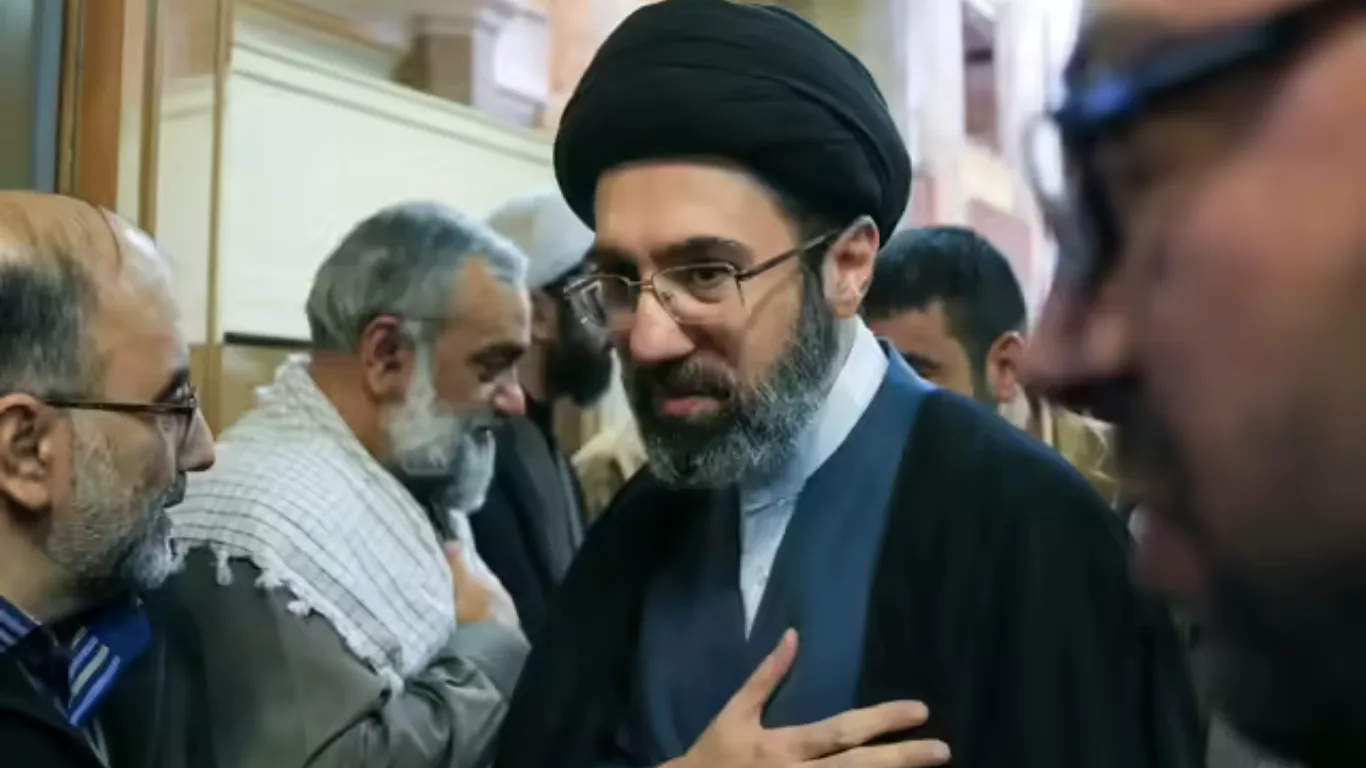
On March 8, 2026, Iran's Assembly of Experts reached a consensus to appoint him as the country's third Supreme Leader, succeeding his father. The appointment itself was controversial inside Iran, with portions of Iranian society divided — partly due to economic hardship that had already fuelled violent protests in December 2025 and January 2026.
The Broader Context: What the February 28 Strike Did
The US-Israeli joint operation on February 28, known as "Operation Epic Fury", was one of the most consequential military strikes in the modern history of the Middle East. Ali Khamenei was killed, along with at least four other senior officials, in a coordinated airstrike on a Tehran compound.
Iran confirmed Ali Khamenei's death on March 1. The strikes triggered retaliatory Iranian attacks across the region. The conflict drew in regional actors, disrupted global energy markets, and reshaped the leadership structure of the Islamic Republic almost overnight.
Mojtaba's injury occurring in the same strike that killed his father adds a personal and political layer to an already seismic event.
What We Still Do Not Know
The health ministry statement answered some questions. It raised others.
Kermanpour did not name the hospital where Mojtaba was treated. He did not say where Mojtaba was moved after discharge. US intelligence agencies, per reporting, believe Mojtaba continues to communicate through trusted messengers and direct meetings but has not been photographed or filmed since becoming Supreme Leader.
The Iran-US conflict is ongoing. Mojtaba's public invisibility, even if medically explained, carries political weight. A leader who cannot be seen whether by choice or circumstance creates uncertainty in both domestic and international arenas.
Closing Thoughts
Three months of silence, and then a doctor's note. That is essentially what Iran offered the world on Monday. One or two stitches. Superficial wounds. Kept his Ramadan fast.
It is a humanising detail, deliberately so. Whether it resolves the deeper uncertainty around Mojtaba Khamenei's grip on power is a different question entirely. Injuries heal. The political landscape that the February 28 strikes created is far more complicated and far slower to mend.
Disclaimer: This article is based on information available across the web. Parchar Manch does not take responsibility for its complete accuracy, as the content could not be fully verified.
FAQs
Was Mojtaba Khamenei seriously injured in the US-Israeli strike?
No. Iran's Health Ministry confirmed the injuries were superficial — affecting the face, head, and legs — requiring only one or two stitches. No amputation, no lasting medical damage.
When was Mojtaba Khamenei appointed Supreme Leader of Iran?
He was appointed on March 8, 2026, by Iran's Assembly of Experts, following the assassination of his father, Ali Khamenei, on February 28, 2026.
Why has Mojtaba Khamenei not appeared in public since becoming Supreme Leader?
Iran has not offered an official explanation for his absence from public view. The health ministry's statement implies his injuries were minor, but his whereabouts and daily activities have not been publicly disclosed.
What did US officials say about Mojtaba Khamenei's condition?
US Defense Secretary Pete Hegseth said in March that Mojtaba was "believed to be alive, wounded, and disfigured." President Trump suggested he was "probably alive" but "damaged." Iran's health ministry statement directly contradicts the "disfigured" claim.
What happened to Ali Khamenei on February 28, 2026?
Ali Khamenei, Iran's Supreme Leader for 37 years, was killed in a joint US-Israeli airstrike on a Tehran compound. At least four other senior Iranian officials died in the same attack. Iran confirmed his death on March 1, 2026.
What is Operation Epic Fury?
Operation Epic Fury is the name given to the joint US-Israeli military campaign launched on February 28, 2026, which targeted Iranian leadership and military infrastructure. It marked a dramatic escalation in regional tensions and directly triggered retaliatory Iranian military action.