Ishaan Tharoor WhatsApp Boomers Remark: How One Sarcastic Tweet Turned Into the Internet's Favourite Father Son Roast
Somewhere in the middle of a fairly serious debate about children and social media, someone said the quiet part out loud. Not about kids. About parents. About uncles forwarding the same blurry good morning image for the eleventh year running. That's basically the whole story of the Ishaan Tharoor WhatsApp boomers comment, and honestly, it's funnier the more you sit with it.
Let's back up though, because the context is what makes this land.
Why This Small Tweet Actually Matters
You'd think a joke on X wouldn't be worth dissecting. But this one taps into something real, the exhausted, half affectionate frustration millions of Indian families feel about WhatsApp family groups. Everyone's uncle. Everyone's aunty. The forwards nobody asked for. That's not a niche complaint anymore, it's basically a shared cultural experience, and Ishaan Tharoor just happened to say it plainly, at the right moment, to the right audience.
It matters because it shows how a single online remark, from the right person, in the right family, can turn a policy debate about children's social media use into something entirely different, and arguably more relatable.
What Actually Happened, Explained Simply
Zoho co-founder Sridhar Vembu had posted online suggesting India should restrict social media access for young children, arguing kids should be reading, playing outside, staying away from screens. Reasonable enough, and plenty agreed.
Ishaan Tharoor, journalist and son of Congress MP Shashi Tharoor, replied agreeing with the sentiment about children, but then pivoted the whole conversation. He wrote that India needed to ban Boomers on WhatsApp before doing anything else. Short, sharp, and immediately recognisable to anyone who's ever muted a family group chat.
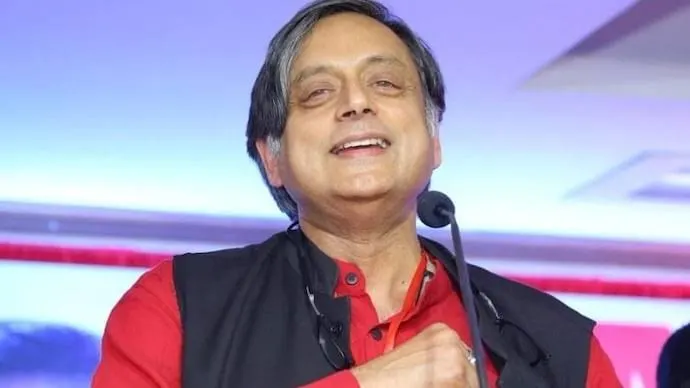
What happened next is the part that actually went viral. Shashi Tharoor, never one to miss a chance for wordplay, replied to his own son. He joked that given India's reproductive patterns, unlike in the West, every generation of Indians, including his son's, technically qualifies as baby boomers too. It was gentle, it was quick, and it was exactly the kind of quip Tharoor senior has built a reputation on for years.
How the Exchange Unfolded, Step by Step
- Vembu posts about restricting children's social media use, framing it around wellbeing, physical play, and reading habits.

- Ishaan Tharoor agrees with the children's part, then adds the now viral line about boomers on WhatsApp, shifting the tone from policy debate to generational humour.
- The remark spreads quickly, because it names something a lot of people already feel but rarely say directly to their own parents.
- Shashi Tharoor sees the exchange and responds publicly, turning a father-son moment into a shared joke visible to everyone.
- Media outlets pick up the thread within a day, framing it as classic Tharoor wit passed down a generation.
Real-World Examples That Make This Click
Think about your own family WhatsApp group for a second. The forwarded festival greetings with glittery text. The unverified health tips shared without a second thought. The audio notes that run four minutes when a single line would do. That's precisely the texture Ishaan Tharoor was poking at, and it's why so many people saw the tweet and immediately thought of a specific relative, not an abstract demographic.
It also connects to a broader, more serious undercurrent, misinformation spreading fastest through exactly the demographic being joked about here. Older users, less familiar with verifying sources, forwarding content at scale. The humour works because there's a sliver of real concern buried inside it.
Mistakes People Keep Making With This Story
The most common one is treating this as a genuine policy proposal. It wasn't. Nobody is actually drafting legislation to restrict WhatsApp access by age. It was commentary, sharp and specific, not a serious regulatory suggestion, and treating it otherwise misses the tone entirely.
Another mistake, assuming the exchange was contentious. It wasn't a family disagreement playing out publicly. If anything, Shashi Tharoor's reply reads as proud amusement, a father matching his son's wit rather than correcting it.
Pro Tips for Reading Viral Family Exchanges Like This
If you want to actually understand why something like this spreads, look past the joke itself and ask what shared frustration it's tapping into. The Shashi Tharoor son comment worked because millions of people have the exact same WhatsApp group experience. Also worth noticing, how quickly public figures with recognisable wit, Tharoor senior being a longstanding example, can turn a small moment into wider media coverage simply by responding in character.
Closing Thoughts
There's something oddly comforting about watching two generations gently rib each other in public and have the whole internet nod along. It wasn't really about WhatsApp, or boomers, or even Vembu's original point about children. It was about recognition, that specific, familiar feeling of loving your family group chat and wanting to mute it at the exact same time.
FAQs
What did Ishaan Tharoor actually say about WhatsApp?
He said India needs to ban Boomers on WhatsApp before restricting social media for children, in response to a post by Zoho co-founder Sridhar Vembu about limiting children's social media use.
How did Shashi Tharoor respond to his son?
He joked that given India's reproductive patterns, every generation of Indians, including his son's, technically qualifies as baby boomers too, unlike in Western countries.
Who is Ishaan Tharoor?
He is a journalist who writes on foreign affairs for The Washington Post and previously served as a senior editor at Time magazine. He is the son of Congress MP and former diplomat Shashi Tharoor.
What started this exchange?
Zoho co-founder Sridhar Vembu posted that India should restrict social media access for young children, prompting Ishaan Tharoor's reply about banning boomers on WhatsApp first.
Is there an actual proposal to ban older users from WhatsApp?
No. This was a viral, humorous exchange, not a genuine policy proposal or piece of legislation.
Why did this exchange go viral?
Because it captured a widely shared, relatable frustration about family WhatsApp groups, forwarded messages, and generational differences in social media use, delivered through a well known and witty political family.