Israel-Lebanon Ceasefire Agreed Despite Hezbollah Rejection: What Is Really Happening and Why It Matters
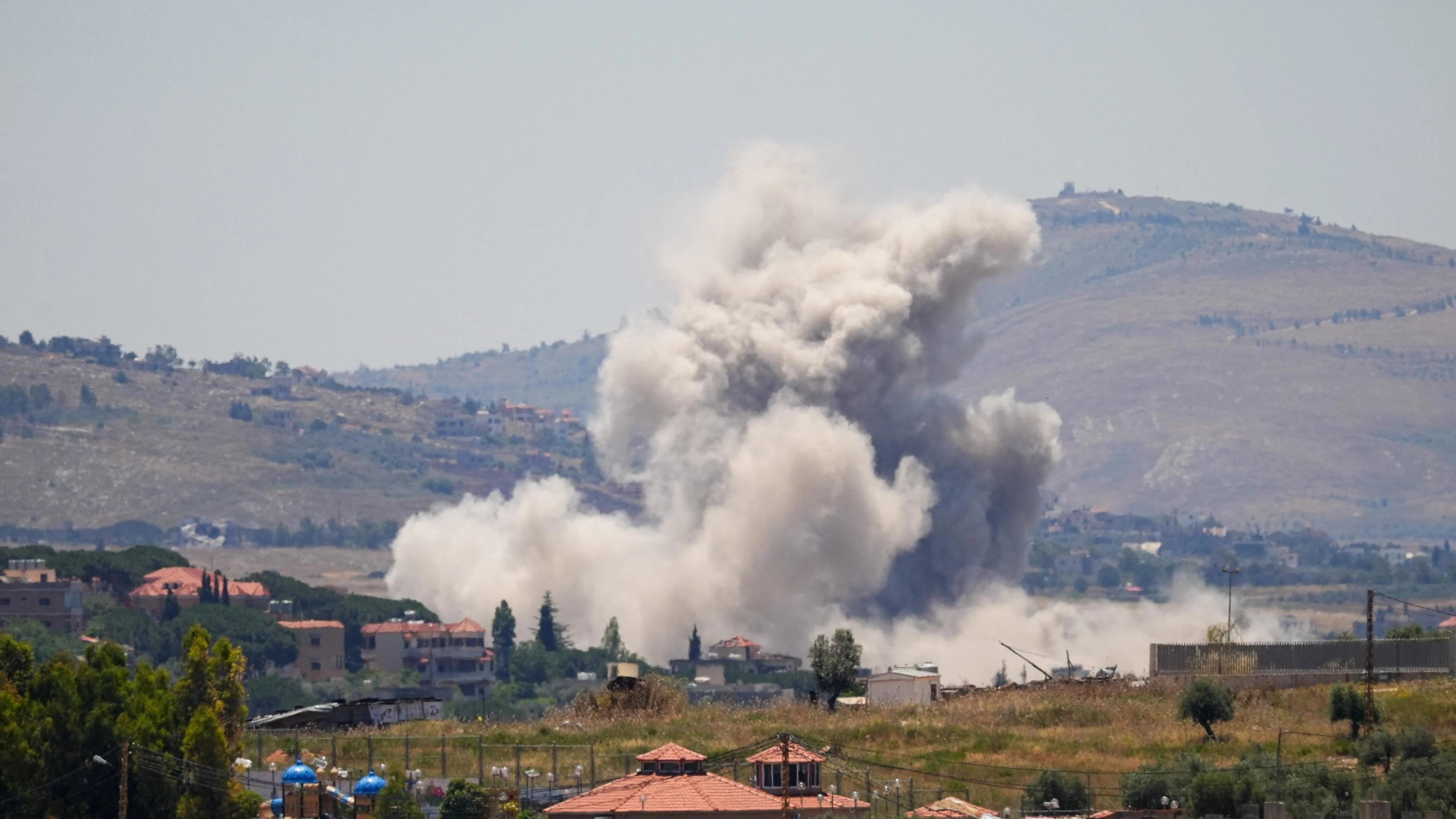
A ceasefire agreement between Israel and Lebanon was reached, brokered by the United States, and the Lebanese President said it could come into effect within a day of all parties' approval. Then Hezbollah's leader Naim Qassem rejected it outright, calling the deal a "farce." And Israel kept striking southern Lebanon anyway. So what exactly does it mean for a ceasefire to be "agreed" when the most powerful armed group in Lebanon refuses to recognize it?
That is the question at the centre of one of the most fragile diplomatic developments in the ongoing West Asia crisis.
Why the Israel-Lebanon Ceasefire Rejection by Hezbollah Changes Everything
A ceasefire is only as strong as the parties who observe it. That sounds obvious. But it is worth saying clearly because the optics here are confusing in a way that matters.
The Israel-Lebanon ceasefire was reached as a bilateral understanding between the governments of Israel and Lebanon, with active US mediation. The Lebanese state agreed. Israel agreed, conditionally. The agreement is reportedly structured around steps that Hezbollah would need to take , including a ban on Hezbollah presence in certain "pilot zones" in southern Lebanon.
Hezbollah, however, is not the Lebanese government. It is a separate armed political movement with its own military command, backed by Iran. And Hezbollah leader Naim Qassem has explicitly rejected the terms, called the deal a farce, and demanded a full Israeli withdrawal from Lebanon before any ceasefire is possible.
While diplomats were announcing progress, rocket interceptions were reported over Kiryat Shmona in northern Israel. The Israeli military confirmed 63 officers and soldiers had been wounded over the previous four days of fighting in southern Lebanon. This is not a ceasefire that is holding.
The Structure of the Agreement and What It Actually Proposes
The Times of Israel reported that the agreement involves creating "pilot zones" from which Hezbollah would be banned. The idea, as diplomats have framed it, is a condition-based truce , not an immediate halt to all hostilities, but a pathway where de-escalation follows verified compliance.
Israel's Foreign Ministry made its position explicit in a statement: Hezbollah must be disarmed and its terrorist infrastructure in southern Lebanon dismantled. The Israeli government sees Hezbollah's rejection and continued rocket fire as proof that the group is still destabilizing the region under Iranian direction.
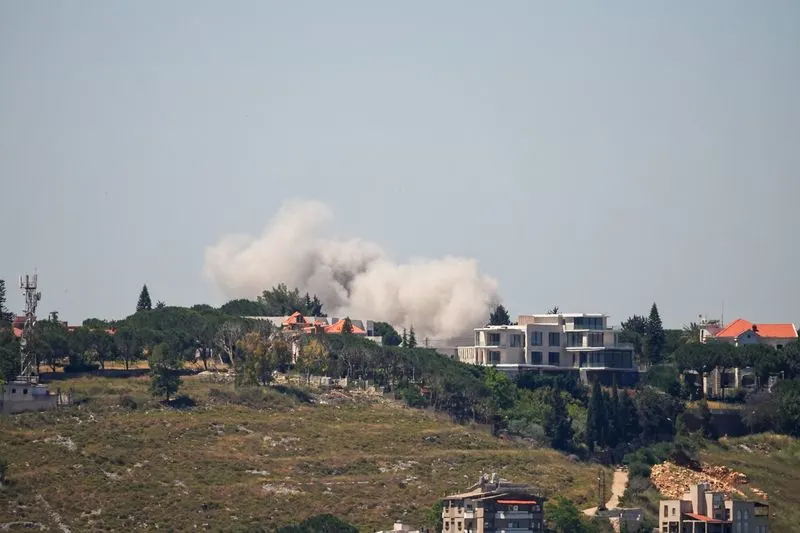
Separately, an Israeli minister called the ceasefire a "serious mistake," suggesting even within Israel the agreement is contested , with some voices warning that halting pressure now gives Hezbollah time to regroup.
The UN Secretary-General expressed hope the deal could lead to lasting peace. The Lebanese President said it could take effect within one day once parties approve. As of June 5, 2026, neither outcome appears imminent.
The Broader Iran War Context That Makes This So Complicated
The Lebanon ceasefire is not happening in isolation. The wider US-Iran conflict , which has been escalating throughout 2026, including US and Israeli military operations against Iran and Iranian proxy forces , is the backdrop against which every development in Lebanon must be read.
Trump has been pressing for diplomatic progress on the Iran nuclear file even while military operations continue. Iran's Islamic Revolutionary Guard Corps issued statements demanding Israel halt attacks on Lebanon and withdraw completely , a position that aligns with Hezbollah's rejection. The IRGC statement made clear: no regional peace without full Israeli withdrawal.
That is an enormous gap. Israel is not withdrawing. The ceasefire is conditional on Hezbollah's compliance. Hezbollah is rejecting the ceasefire. Iran is backing that rejection.
Read More: Praggnanandhaa Beats Magnus Carlsen Twice at Norway Chess 2026: What Just Happened Is Historic
Closing Thought
There is a specific kind of diplomatic exhaustion that comes from watching agreements announced, rejected, and fought through simultaneously. The Israel-Lebanon ceasefire as it stands is less a peace and more a stated intention, floating above a conflict that has not stopped. Whether the Lebanese state can enforce terms that Hezbollah will not accept is the central, uncomfortable question nobody has answered yet.
Disclaimer: This article is based on information available across the web. Parchar Manch does not take responsibility for its complete accuracy, as the content could not be fully verified.
FAQs
Did Israel and Lebanon actually agree to a ceasefire?
Yes. Israel and Lebanon reached an understanding brokered by the US. However, the deal is conditioned on Hezbollah taking specific steps, and Hezbollah's leadership has explicitly rejected it.
Why did Hezbollah reject the Israel-Lebanon ceasefire?
Hezbollah leader Naim Qassem called the deal a "farce" and demanded a full Israeli withdrawal from Lebanon as a precondition for any ceasefire, which Israel has rejected.
What are the "pilot zones" in the ceasefire plan?
These are specific areas in southern Lebanon from which Hezbollah would be banned as part of the ceasefire arrangement, serving as a test of compliance before broader implementation.
Is fighting still happening despite the ceasefire announcement?
Yes. Rocket interceptions were reported over northern Israel, and the Israeli military confirmed 63 soldiers were wounded over four days of fighting in southern Lebanon following the announcement.
How does Iran fit into the Hezbollah rejection?
Iran's IRGC issued statements supporting Hezbollah's position, demanding full Israeli withdrawal from Lebanon. Hezbollah is widely described as an Iranian proxy, meaning Iran's stance directly shapes Hezbollah's decisions.
What did the UN say about the ceasefire?
The UN Secretary-General expressed hope that the Israel-Lebanon ceasefire agreement could serve as a pathway to lasting peace in the region.