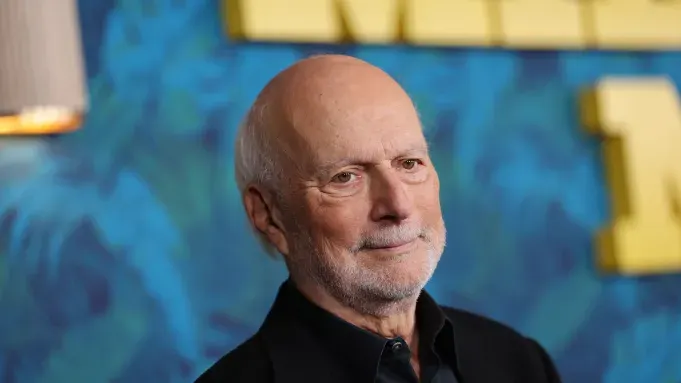
James Burrows Dies at 85: The Man Who Made America Laugh for Fifty Years
There are very few people in television who directed more than a thousand episodes. One of them was James Burrows, and he just died at the age of 85. The news landed on June 19, 2026, and for anyone who grew up watching American sitcoms, the response has been something deeper than the usual celebrity news cycle. It has felt, as NDTV described it, personal.
The reason for that is not complicated. James Burrows director was behind some of the most beloved television comedies ever made: Cheers, Friends, Taxi, Frasier, Will and Grace, The Big Bang Theory. If you have ever laughed at something on American television, there is a reasonable chance James Burrows had something to do with it.
Why James Burrows' Death Feels Like Losing Something Irreplaceable
The Hollywood Reporter was direct about it: television often neglects to credit its directors. Film directors become cultural figures. Television directors remain invisible. James Burrows was the great exception, and his invisibility was itself a kind of genius. The best directing disappears into the performance. You never notice it. You just feel the timing.
He directed the Friends pilot in 1994, helping launch Jennifer Aniston, Courteney Cox, Matt LeBlanc, Lisa Kudrow, David Schwimmer, and Matthew Perry into something that became a cultural institution. He did not just direct that first episode and move on. He helped shape what that show would become, establishing its rhythm and warmth in ways the cast never forgot.
Jennifer Aniston called him a father figure. Courteney Cox said he was egoless and that he taught the cast everything they know. Matt LeBlanc and Lisa Kudrow both wrote tributes. Jon Cryer shared a memory that changed his career. The Daily Beast put it plainly: his departing words should haunt Hollywood.
Read More: Russia Launches Progress MS-34 Cargo Ship to the ISS, Delivering Over 2.5 Tonnes of Vital Supplies
The Scale of James Burrows' Sitcom Legacy Is Almost Unbelievable
The New York Times described him as a master of the TV sitcom who directed more than 1,000 episodes of hit shows. That number bears repeating. More than 1,000 episodes. Over a career spanning five decades, working on Cheers director duties and Friends TV director credits, he built the architecture of what American sitcom comedy actually looks and sounds like.
He co-created Cheers in 1982, the bar where everybody knows your name. He shaped Taxi before that. He moved between shows not just as a hired director but as someone who understood what made a comedy tick at its core: specifically, the relationship between actors, the geometry of a scene, the almost musical quality of timing.
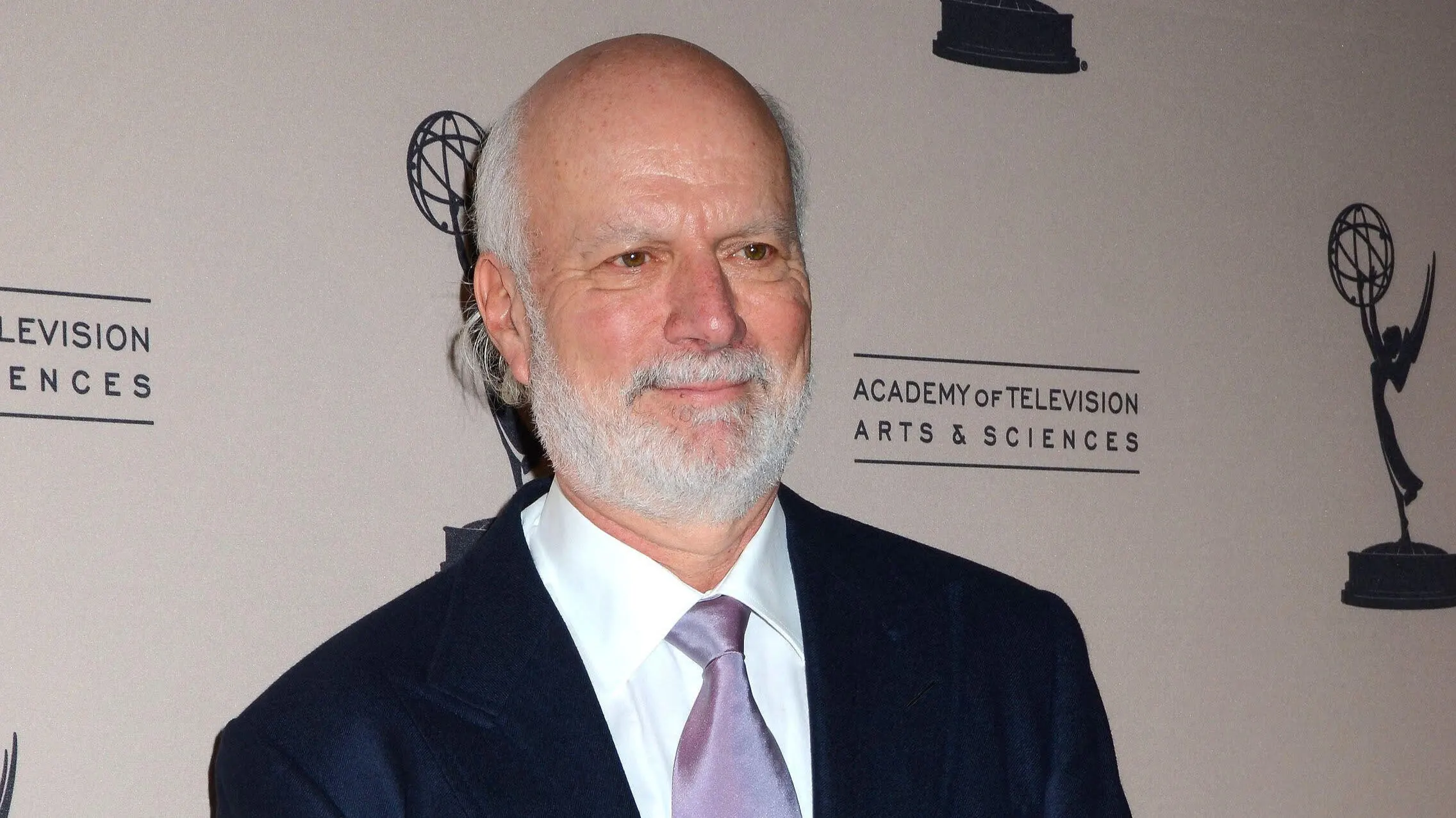
Emmy Award director is an accurate title. He won multiple times. But the awards miss something. The real legacy is that the shows he worked on are still being watched, still being rewatched, still making people laugh decades after they aired.
What Made James Burrows Different From Every Other Television Director
The Hollywood Reporter noted that his legacy is impossible to overlook because he built the multi-camera sitcom format into something that felt alive rather than staged. The multi-camera sitcom style, filmed before a live audience in a way that creates genuine comedic energy, was something Burrows understood at a level that few others have matched.
He was also, by all accounts, beloved by the people he worked with in a way that is genuinely rare. Not respected in the professional, arm's-length way. Actually loved. Cast members called him Papa Burrows. Courteney Cox described him as someone without ego. In an industry that runs on ego, that was noted.
The BBC headline described him as legendary. It was not hyperbole.
Read More: Shreyas Iyer on His Career: From BCCI Contract Snub to India's White-Ball Captaincy Race
A Quiet Giant Who Shaped Television Without Anyone Quite Realising
What is striking in the tributes from cast members across multiple shows is how consistent the descriptions are. Generous. Warm. Present. Someone who elevated the people around him without needing the credit for it.
Television's history has invisible architects. People whose work is everywhere and whose names are nowhere. James Burrows was one of those, except that the people whose careers he helped shape remembered him with the kind of gratitude that does not fade.
He made more than a thousand episodes of television. Every one of them had his fingerprints on it.
Read More: Virat Kohli Becomes First Batter to Score 9000 Runs in IPL History: A Record Nobody Else Is Close To
Disclaimer: This article is based on information available across the web. Parchar Manch does not take responsibility for its complete accuracy, as the content could not be fully verified.
FAQs
Who was James Burrows and why was he famous?
James Burrows was one of the most prolific and celebrated directors in American television history, best known for co-creating Cheers and directing over 1,000 episodes of hit sitcoms including Friends, Taxi, Frasier, Will and Grace, and The Big Bang Theory.
How did James Burrows die?
Reports confirmed he died on June 19, 2026, at age 85. The specific cause of death was not widely detailed in initial coverage.
Did James Burrows direct the Friends pilot?
Yes. James Burrows directed the pilot episode of Friends in 1994, playing a key role in establishing the show's tone, timing, and style. The cast repeatedly credited him as central to what the show became.
What did the Friends cast say about James Burrows?
Jennifer Aniston called him a father figure to her. Courteney Cox said he was egoless and taught the cast everything they know. Matt LeBlanc, Lisa Kudrow, and David Schwimmer all publicly paid tribute following his death.
How many Emmy Awards did James Burrows win?
James Burrows won multiple Emmy Awards over his career, widely recognised as one of the most decorated directors in American television history.
What shows did James Burrows direct?
His credits include Cheers, Taxi, Friends, Frasier, Will and Grace, The Big Bang Theory, and many others. He directed more than 1,000 episodes across his career.