Iran Fires Missiles at Israel, Israel Retaliates as Trump Pushes for Peace Deal Amid Rising Middle East Tensions
Something shifted in the Middle East on June 8, 2026. Iran fired waves of ballistic missiles into Israeli territory for the first time since the April ceasefire that had briefly quietened the region. Israel responded with airstrikes on targets inside Iran, including petrochemical facilities. And Donald Trump, watching all of this unfold, publicly told Benjamin Netanyahu that he will have "no choice" but to accept a peace deal with Iran.
That is a lot to absorb. Let us go through it carefully.
Why the Iran-Israel Missile Exchange Matters So Much Right Now
The April ceasefire had created a fragile quiet. Fragile being the operative word. Analysts watching the region described it the way you might describe a bridge that everyone knows needs repair but nobody wants to be the first to cross. Now, both sides have crossed it simultaneously, and the world is watching whether the structure holds.
The Iran-Israel war escalation is not just a regional concern. It has immediate consequences for global oil markets, since Iran controls access to the Strait of Hormuz and has signaled that ships could face transit fees. South Korea's Kospi stock index plunged sharply in the hours after the strikes. US futures markets moved. Airspace over Iran, Iraq, and Syria was temporarily closed. These are not abstract geopolitical events. They have real, tangible effects on ordinary life.
What Actually Happened: The Iran-Israel Strike Exchange Explained
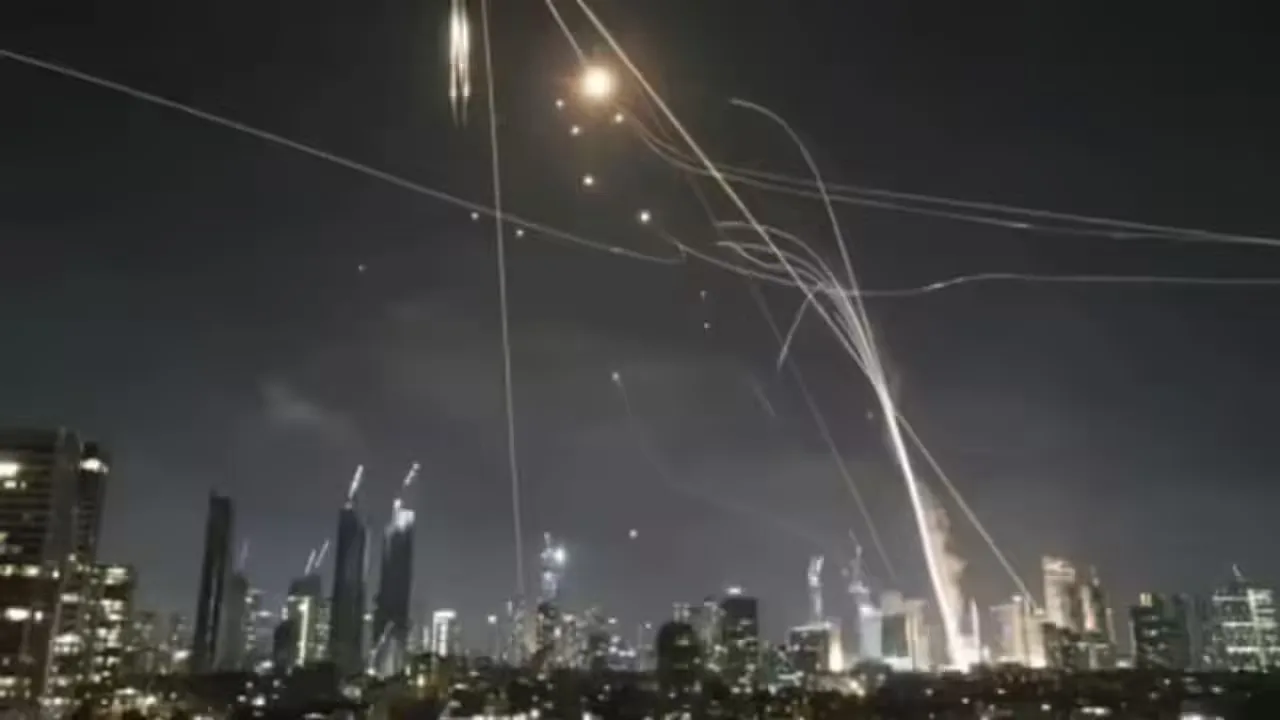
Iran launched what multiple outlets described as waves of ballistic missiles targeting northern Israel and the Jerusalem area. The IDF confirmed that all Iranian missiles targeting the Jerusalem area were intercepted. No major civilian casualties were reported from the Iranian strikes.
Israel then launched retaliatory airstrikes against Iran, hitting targets in central and western Iran, including petrochemical sites. The IDF confirmed the strikes. Iran simultaneously closed its airspace, and state media released footage of its initial missile launches.
This is the first direct exchange between Iran and Israel since a prior April ceasefire was reached, making it a significant breach of whatever stability had been established.
Trump's Role: Diplomacy, Warnings, and a Firm Stance
Here is where the story gets genuinely complicated. President Trump had reportedly asked Netanyahu not to strike Iran, telling him the United States was "very close" to a peace deal. According to reports, Trump told Axios that he would press Israel to hold back. He also apparently told Netanyahu directly, calling before the Israeli retaliatory strikes were launched.
Netanyahu struck back anyway.

Trump's response was notably defiant about his own authority, reportedly saying "I call the shots" when asked about the Iran-Israel situation, while also insisting that Israeli strikes would not derail the deal he is pursuing. The Trump Iran nuclear deal talks appear to be at an advanced stage, and Trump told reporters that Netanyahu would have "no choice" but to accept whatever is on the table.
The Financial Times reported Trump saying Netanyahu will have "no choice" but to accept a deal with Iran, signaling that Washington is pushing hard for a diplomatic resolution even as the two countries exchange direct blows.
Read More: Nvidia RTX Spark Superchip: The Bold Move That Could Reinvent Your Next PC Forever
The Regional Impact: Strait of Hormuz, Airspace Closures, and Market Reactions
Iran has not closed the Strait of Hormuz, and officials indicated it will stay open, though ships may face transit fees going forward. The Strait is one of the world's most critical shipping lanes, through which a significant portion of global oil exports pass. Any disruption there has immediate consequences for energy prices worldwide.
Airspace over Iran, Iraq, and Syria was closed temporarily, disrupting commercial aviation across the region. Markets in Asia responded sharply, with South Korea seeing a significant equity selloff. US futures moved cautiously in mixed territory.
What Happens Next
Two hostile nations have traded direct strikes. A ceasefire that was already fragile has been seriously tested. The United States is pushing aggressively for a deal that Netanyahu may not want. Iran has the leverage of the Strait of Hormuz and regional proxies. Israel has the backing of its military capabilities and an implicit American security umbrella.
The honest answer to what comes next is that nobody knows. What we do know is that the window for diplomacy, which Trump is clearly trying to keep open, is narrower this morning than it was yesterday.
Disclaimer: This article is based on information available across the web. Parchar Manch does not take responsibility for its complete accuracy, as the content could not be fully verified.
FAQs
Why did Iran fire missiles at Israel on June 8?
Iran launched waves of ballistic missiles at Israel, marking the first direct attack since the April ceasefire. The stated context is ongoing tensions related to Israeli military actions in the region, including prior strikes on Beirut.
Were Israeli civilians harmed in the Iranian missile attack?
The IDF confirmed that all missiles targeting the Jerusalem area were intercepted. No major civilian casualties were reported from the Iranian strikes on this occasion.
What did Israel hit inside Iran?
Israel launched airstrikes on targets in central and western Iran, with the IDF confirming hits on Iranian petrochemical sites.
What is Trump's position on the Iran-Israel conflict?
Trump asked Netanyahu not to retaliate against Iran, saying the US was very close to a peace deal. He publicly stated Netanyahu would have "no choice" but to accept a deal, while also saying he "calls the shots" on this matter.
Is the Strait of Hormuz at risk?
Iran said the Strait of Hormuz will remain open but ships may face transit fees. No closure has been announced, though the situation remains fluid.
How are global markets reacting to the Iran-Israel exchange?
South Korea's Kospi saw a significant drop. US stock futures were mixed. Oil markets are watching closely, given Iran's position on key global energy shipping routes.