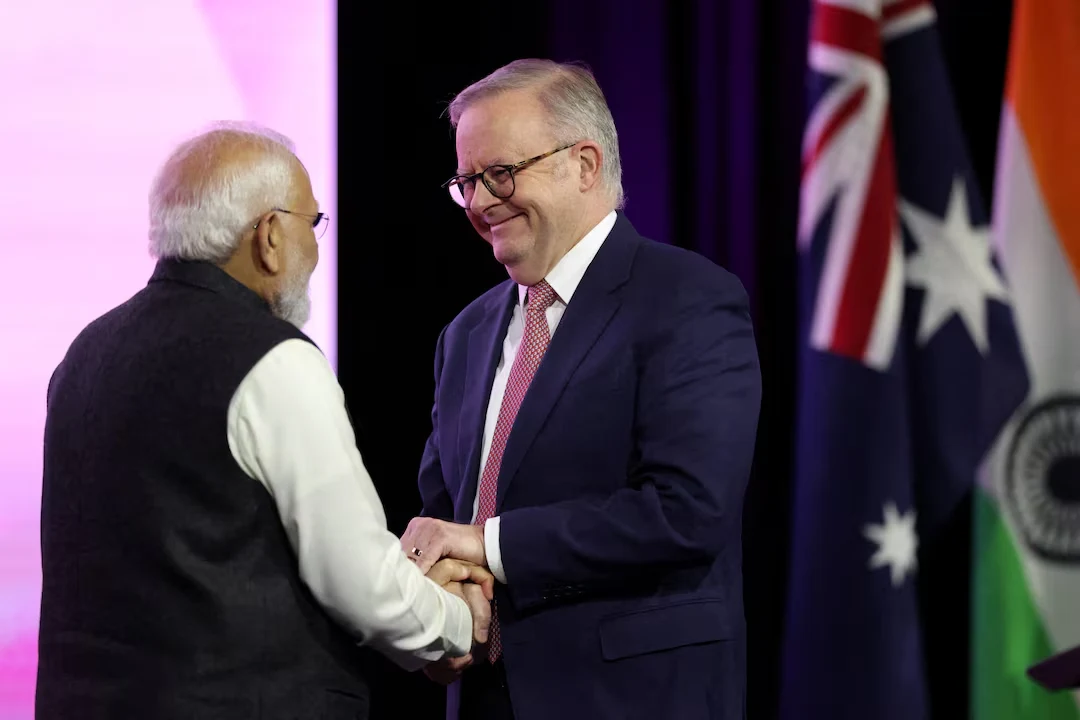
Modi Albanese Meeting: Why This Melbourne Handshake Could Reshape India's Energy Future
There is something about a red carpet in Melbourne, a stadium full of Indian faces, and two prime ministers talking uranium that tells you this was never just another diplomatic photo op. The Modi Albanese meeting held this week in Melbourne looks quiet on the surface but is loud underneath. Narendra Modi landed in Australia straight from Indonesia, tired probably, and still walked into a room with Anthony Albanese to discuss things that will quietly touch your electricity bill, your phone's battery, and maybe your job in a few years. Not an exaggeration. Let me explain why.
Why This Actually Matters
You might be thinking, another summit, why should I care. Fair question. The Modi Albanese meeting was not built around symbolism alone. It centered on real things, a uranium deal for India's nuclear power plants, a push on critical minerals that go into your phone battery and electric vehicles, and a defence cooperation plan reshaping how India and Australia work together in the Indo Pacific. When two countries this size agree on energy security and India Australia relations at this scale, prices, supply chains, and student visa opportunities shift. Not abstract. The kind of thing that quietly rearranges the next decade.
Read More: BAT-BMS App E-Rickshaws Scandal: How a Chinese Battery Tool Became India's Weirdest Road Hazard
What It Really Is, Explained Simply
Think of it like two neighbours who have been friendly for years finally deciding to build a shared driveway. That is roughly what happened at the Modi Albanese meeting. India needs uranium for its civil nuclear energy program, and Australia sits on some of the richest uranium reserves on the planet. Until now, that supply had been limited, partly over old concerns about how nuclear fuel gets used. This time, both sides moved to unlock that uranium deal properly, under strict international safeguards, so India can lean on cleaner, more reliable power. At the same time, they agreed to build a critical minerals corridor, basically a supply chain for materials like lithium and rare earths used in everything from solar panels to smartphones.
How It Works, Step by Step
So how does something like this actually move from a handshake to reality. It rarely happens overnight, no that is not quite right, it happens in layers.
First, the leaders set the tone, which is what the Modi Albanese meeting did through the Annual Summit format both countries have used for years.
Second, ministries translate promises into paperwork, treaties, and safeguard agreements. The uranium deal needs this technical follow through before a single shipment moves.
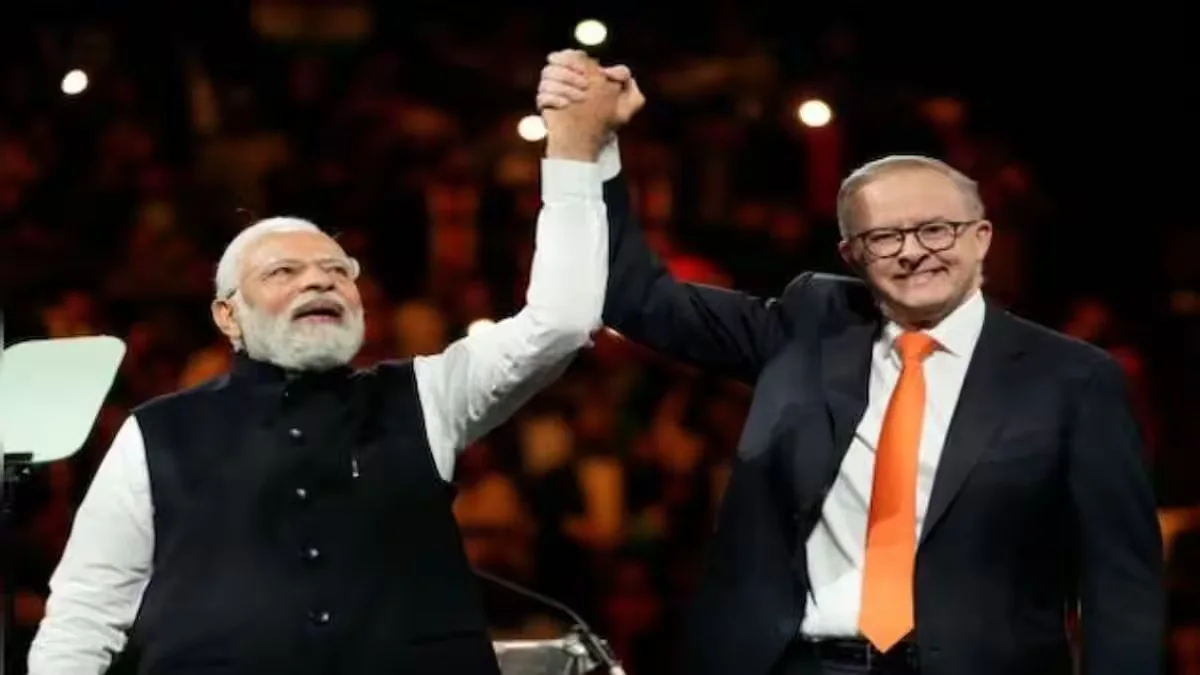
Third, private investment flows in behind the government deals. AustralianSuper, one of Australia's largest pension funds, announced an additional five hundred million Australian dollars into India's infrastructure fund almost immediately, a sign markets read this summit as more than ceremony.
Fourth, defence cooperation gets formalised through a defence innovation corridor, letting Indian and Australian firms co-produce military technology instead of buying finished products.
Real World Examples
Picture an Indian nuclear plant depending on a patchwork of fuel sources. With this uranium deal moving forward, it gets a steadier, safeguarded supply from Australia, cutting the energy anxiety that comes from relying on too few suppliers. Or picture an electric vehicle factory needing lithium and cobalt. The critical minerals partnership from Melbourne is meant to feed exactly that kind of manufacturing, instead of India competing for scraps in a market often dominated by a handful of countries.
Read More: India Summons Meta Over Instagram Child Abuse Ads: What Actually Happened and Why It Matters
Mistakes People Keep Making, And Why
A common mistake is assuming these summits are just photo events with no real consequence. People scroll past headlines about the Modi Albanese meeting assuming it is background noise. But that misses how India Australia relations actually function, slowly, through years of small building blocks, not one dramatic announcement. Another mistake is assuming a uranium deal means immediate shipments. In reality, safeguards and legal frameworks take time, sometimes years, before uranium crosses the ocean.
Pro Tips That Actually Help
Watch the follow through, not the headline. Track whether the critical minerals corridor gets an actual signed framework in the coming months, that is the real signal. Keep an eye on defence cooperation, specifically the Joint Defence Declaration, since interoperability between militaries hints at deeper regional alignment. And if you are in clean energy or manufacturing, watch which Indian companies get early access to Australian critical mineral supply chains, since early movers usually benefit the most.
Closing Thoughts
There is a quiet pattern in how India and Australia have been moving closer over recent years, not loud, not sudden, just steady. The Modi Albanese meeting in Melbourne fits that pattern rather than standing apart from it. Two countries separated by an ocean, drawn together by uranium, minerals, and a shared discomfort with depending too much on any single power. Maybe that is the real story, not the summit itself but what it says about how nations quietly hedge their futures.
Read More: Alia Bhatt Alpha Spy Thriller Finally Hits Theatres, But the Numbers Tell a Complicated Story
Disclaimer: This article is based on information available across the web. Parchar Manch does not take responsibility for its complete accuracy, as the content could not be fully verified.
FAQs
What was discussed in the Modi Albanese meeting?
A uranium deal for India's nuclear energy program, a critical minerals corridor, defence cooperation including a Joint Defence Declaration, and broader India Australia relations across trade and education.
Why does the uranium deal matter for India?
It gives India a safeguarded, long term uranium supply for nuclear power, reducing dependence on a narrow set of suppliers.
What is the critical minerals corridor?
A planned supply chain arrangement covering materials like lithium and rare earths, used in electric vehicles, batteries, and clean energy technology.
Did any investment come from the Modi Albanese meeting?
Yes, AustralianSuper announced an additional five hundred million Australian dollars into India's infrastructure sector shortly after the summit.
How does this affect defence cooperation between the two countries?
A new defence innovation corridor and a Joint Defence Declaration aim to improve military interoperability and joint production.
Is this the first such summit between the two leaders?
No, it continues an annual summit tradition running for several years, building on the Comprehensive Strategic Partnership signed earlier.