Mumbai Red Alert: Why the City Is Underwater Again and What Every Resident Needs to Know Right Now
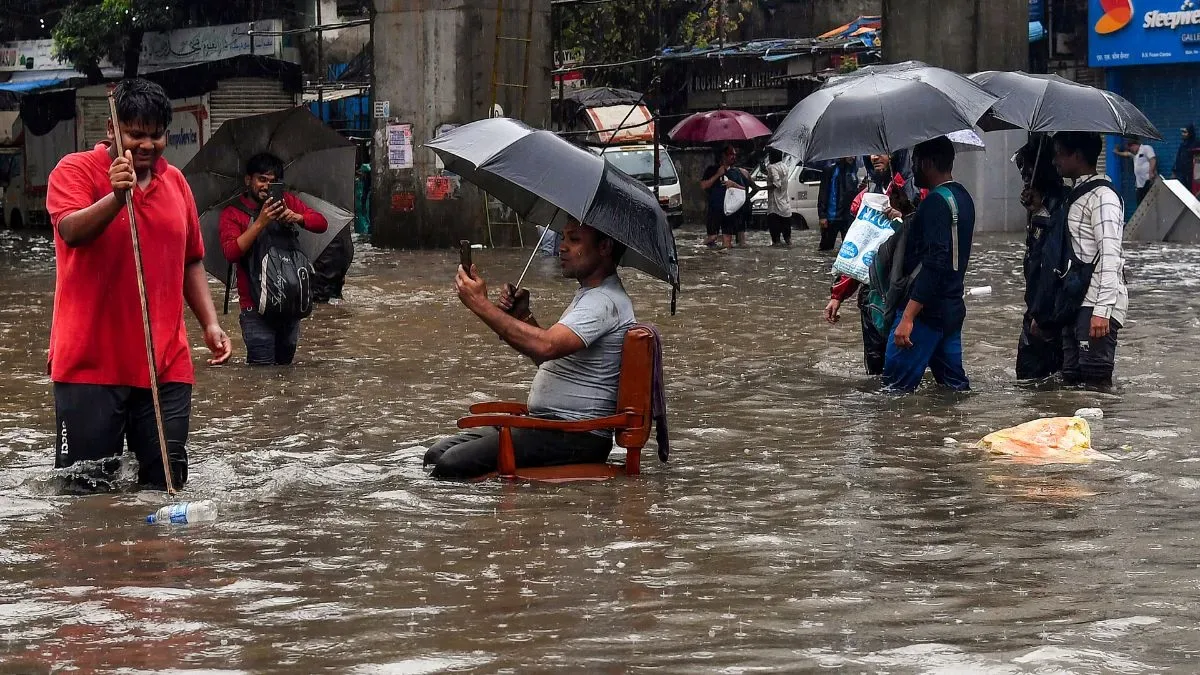
Somewhere between the third landslide update and the fourth train cancellation, you realise this monsoon is different. Not the usual Mumbai drama where an auto driver shrugs and says it happens every year. The numbers are screaming. The Mumbai red alert issued by the India Meteorological Department has turned an ordinary July into a citywide emergency, and if you live near the Mumbai Metropolitan Region right now, under this IMD red alert Mumbai warning, you need the full picture, not just a headline.
Why This Mumbai Red Alert Actually Matters
Here is the thing people miss. A weather alert sounds bureaucratic, some colour coded system nobody asked for. But this Mumbai red alert has already shut schools, suspended train services on the Mumbai-Pune route, and, in Mankhurd, a portion of a chawl collapsed, leaving six people dead. That is not abstract risk. That is your commute, your child's school day, your flight out of Chhatrapati Shivaji Maharaj International Airport, suspended for nearly an hour during the worst of these Mumbai rains. Whether you live in the city or just have family there, this IMD red alert Mumbai situation genuinely matters right now.
What a Red Alert Really Means, Explained Simply
Let me slow down here, this part gets confused a lot. IMD colour codes work like a traffic light. Green means normal, yellow means watch out, orange means be prepared, and red, the one Mumbai is under, means take action, extremely heavy rainfall is expected and disruption is likely. The current spell of heavy monsoon rainfall has been relentless. Over twelve days, cumulative rainfall crossed 1,000 mm citywide, and in one 24-hour window, parts of the city recorded 250 to 300 mm alone. Vikhroli saw around 316 mm in a single day, nearly 74 percent of the city's average July quota, dumped in under 24 hours.
Read More: Taylor Swift Travis Kelce Wedding at MSG: Inside the Night an Arena Became a Secret Garden
How Mumbai Rains Are Disrupting Life, Step by Step
- Trains. Services on the Mumbai-Pune route were suspended after landslides hit the Karjat-Lonavala Bhor Ghat section, while city trains mostly kept running, 10 to 20 minutes behind schedule due to waterlogging near Nalasopara and Virar.
- Roads. Fallen trees created major bottlenecks, including one incident in Bandra that blocked a security convoy, plus a landslide near Khandala that shut the Mumbai-bound Expressway lane entirely.
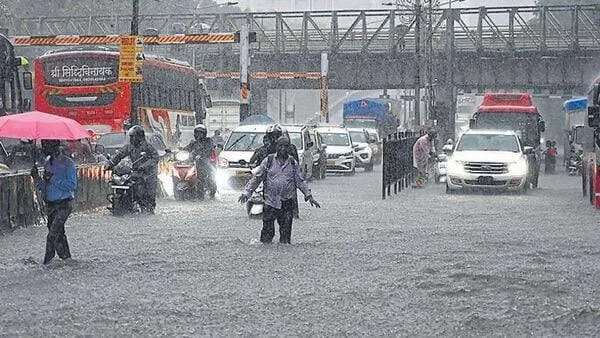
- Schools and exams. The BMC repeatedly closed schools and colleges for afternoon sessions, and Mumbai University postponed scheduled exams as a precaution.
- High tides. Officials tracked tide heights above four metres, since high tide can slow drainage and worsen flooding in low lying pockets.
Real Numbers From the Ground
Numbers help, but stories tell you what numbers cannot. A 10x10-foot tree fell in Malad West, damaging a vehicle, with no injuries. A woman in Thane's Dombivli died after contact with a live wire near a power transformer during an earlier spell of the same rains. The BMC logged 91 complaints about fallen trees and branches in a single day, split across the western suburbs, eastern suburbs, and island city. Central Railway corridors kept functioning, just slower, Main Line 6 to 8 minutes late, Harbour Line about 4 minutes behind.
Mistakes People Keep Making During Mumbai Red Alert Days
A common one, no that's not quite right, let me rephrase, is assuming red alert means the city shuts down completely. It does not. Local trains, the lifeline for millions, mostly kept running through this Mumbai red alert, just with delays. People also assume schools close citywide for the full day, when mostly it has been the afternoon session. Commuters keep checking outdated weather apps instead of the IMD's own bulletins, which move faster during a live Mumbai rains situation like this one.
Pro Tips That Actually Help During This Alert
Keep the BMC disaster helpline saved, not bookmarked somewhere you'll forget. Check high tide timings before stepping out near coastal or low lying roads, since flooding often correlates more with tide timing than rainfall alone. If you commute via the Mumbai-Pune ghat sections, build in buffer time or reroute entirely, since landslide suspensions there have repeated this season. Trust the red alert when it says stay indoors. It is tempting to think you'll be the exception. Usually you are not.
Closing Thoughts
Cities like Mumbai carry a stubborn resilience, the kind seen in memes about wading through knee-deep water before evening trains resume. But resilience is not safety, and somewhere in that gap, people lose homes, commutes, sometimes lives. The takeaway is simple, respect the Mumbai red alert level, plan more during heavy monsoon rainfall spells, and let the city's engineers and disaster teams work without adding to the chaos.
Disclaimer: This article is based on information available across the web. Parchar Manch does not take responsibility for its complete accuracy, as the content could not be fully verified.
FAQs
What does the Mumbai red alert mean right now?
It means the IMD expects heavy to extremely heavy rainfall with a high likelihood of disruption, and residents are advised to avoid non-essential travel.
Are Mumbai local trains running during the red alert?
Mostly yes, with delays. Suburban services have largely continued, though ghat section routes between Mumbai and Pune faced suspensions due to landslides.
Why did schools close in Mumbai?
The BMC closed schools and colleges for afternoon sessions as a precaution during the IMD red alert Mumbai warning, prioritising student safety over continued classes.
How much rain has Mumbai received this monsoon season?
Cumulative rainfall crossed 1,000 mm over roughly twelve days, with areas like Vikhroli recording around 316 mm in a single 24-hour period.
Is it safe to travel on the Mumbai-Pune Expressway now?
Not currently recommended on the affected stretch, since a landslide closed the Mumbai-bound lane near Khandala and restoration work is ongoing.
What should residents do during heavy monsoon rainfall like this?
Stay updated through official IMD and BMC channels, avoid low lying and coastal roads at high tide, and skip unnecessary travel until conditions improve.