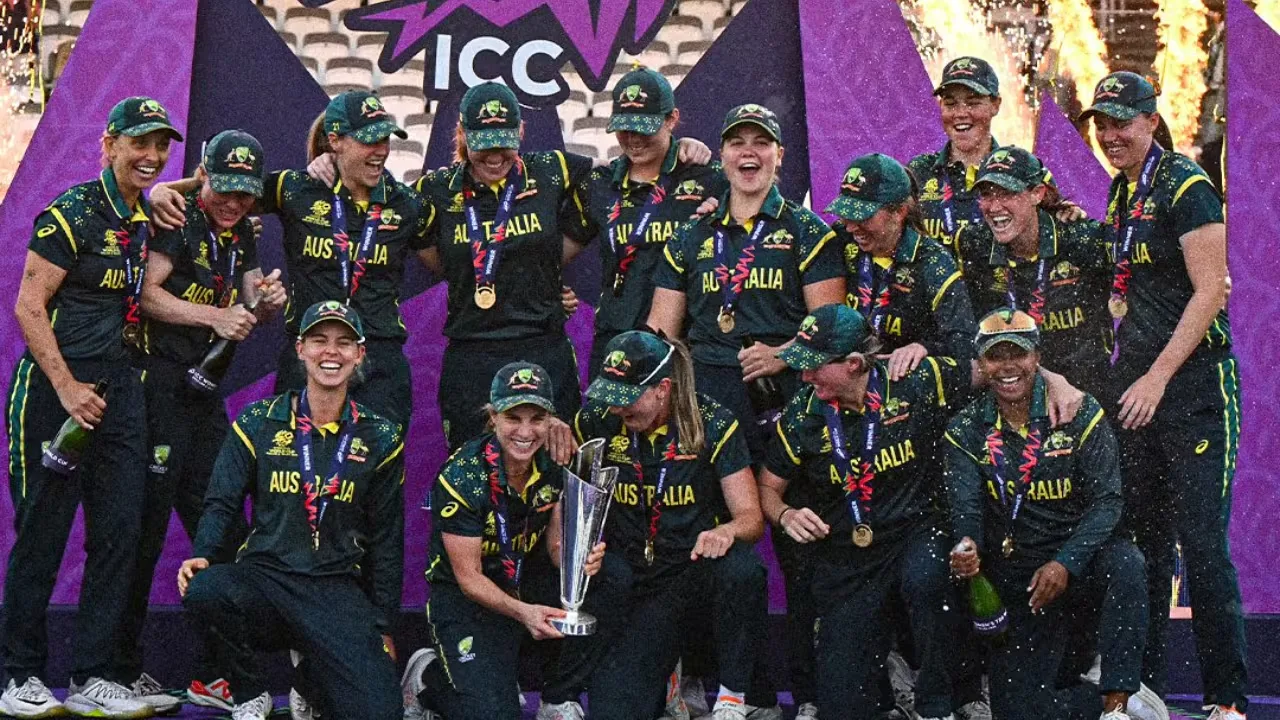
Australia Wins Women's T20 World Cup: A Seventh Title, a Record Drought Ended, and Lord's Falls Quiet
There is a specific kind of silence a home crowd goes through when they realize, somewhere around the twelfth over, that the chase has stopped being close. That silence settled over Lord's this weekend, and by the time it lifted, Australia wins Women's T20 World Cup had become the story of the day, their seventh title in the competition's history, delivered with a calm, almost businesslike efficiency that made England's home advantage look irrelevant.
If you only caught the headline, here is the fuller picture. Australia chased down England's target with seven wickets to spare, ending a genuinely long wait for their next global title, and doing it in a way that felt less like a nail biter and more like a statement.
Why This Actually Matters Beyond the Trophy
Australia had gone 1,225 days without lifting a global cricket title before this win, an unusually long drought for a team that has dominated women's cricket for over a decade. That number alone tells you why this result carried extra weight, not just for the players, but for a program used to being the benchmark everyone else measures themselves against.
There is a broader story here too. Women's cricket has been growing rapidly in visibility and investment, and a final at Lord's, cricket's most historic venue, packed with meaningful stakes and genuine drama in the build up, is exactly the kind of moment the sport needed to showcase.
What Actually Happened in the Final, Explained Simply
Think of the final like two very different innings tellling two very different stories. England batted first after Australia won the toss and chose to bowl, and built their total to 150 for 4, powered by a fifty from captain Nat Sciver-Brunt and a late flourish from Kemp that gave the total real teeth heading into the second innings.
Then Australia's chase began, and it never really wobbled. Beth Mooney anchored the run chase with an unbeaten 64, ultimately guiding her side home with seven wickets in hand, a margin that reflected genuine control rather than a nervy finish.
How Australia Actually Sealed the Win, Step by Step
- Australia won the toss and elected to bowl first, a tactical choice that set the tone for how the rest of the match unfolded under Lord's conditions.
- England posted 150 for 4, with Sciver-Brunt's half century providing the backbone of the innings alongside a valuable late contribution from Kemp.
- Australia's chase leaned heavily on Beth Mooney, who built her innings patiently, finishing unbeaten on 64 without relying on a flurry of boundaries to get there.
Read More: Iran-Israel War 2026: What's Really Happening, Why the US Is In the Middle, and What Comes Next
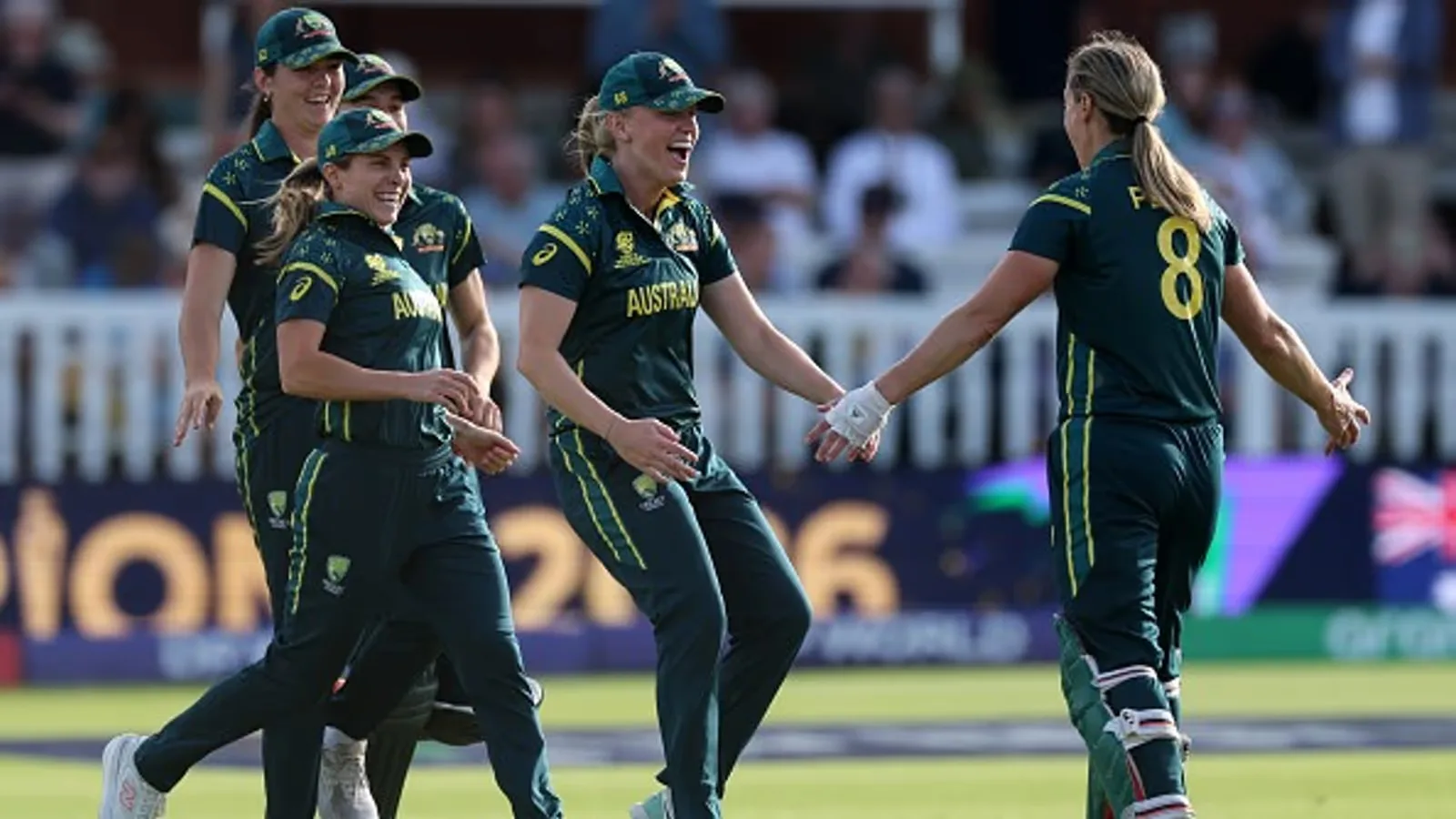
- Georgia Litchfield contributed meaningfully alongside Mooney, helping Australia close out the target of 151 with room to spare and seven wickets still in hand.
- Mooney was subsequently named Player of the Tournament, recognition for a consistent run of performances across the competition rather than a single standout innings.
Real World Details That Made This Final Feel Bigger
This win also secures Australia's place at the LA 2028 Olympics, adding a fresh layer of significance to what was already a historically weighted final. England's captain, despite the defeat, was credited by former players for having won back public support for the team throughout the tournament, a reminder that results and reputation do not always move in perfect sync.
The occasion itself carried extra spectacle too, with a Rita Ora halftime performance adding to the atmosphere at a sold out Lord's, blending entertainment with one of the sport's most consequential recent finals.
Mistakes People Keep Making When Reading Results Like This
A common mistake is assuming a seven wicket margin means the match lacked drama throughout. England's total of 150 was a competitive score by tournament standards, and Australia's chase, while ultimately comfortable, still required disciplined batting against real pressure, particularly during the middle overs.
Another mistake is underestimating the significance of ending a title drought this long. Fans sometimes assume dominant teams always expect to win, but 1,225 days without a global title is a genuinely long stretch for a program with Australia's history, and framing this win as just another trophy misses how much it likely meant internally to the squad.
Pro Tips for Following Women's T20 World Cup Coverage Going Forward
Pay attention to strike rotation and partnership building rather than only boundary counts when assessing performances like Mooney's, since her matchwinning innings relied heavily on composed running between the wickets rather than aggressive hitting. Also, track ICC's Player of the Tournament announcements closely, since they typically reflect sustained impact across the competition, offering a more complete picture of form than any single final performance alone.
Closing Thoughts
There is something quietly fitting about a team ending a long wait for a title not through chaos or late drama, but through calm, controlled batting that never let the pressure show. Australia's seventh Women's T20 World Cup title adds another chapter to an already dominant history, and for a program that had gone over three years without global silverware, this particular one at Lord's likely means more than the scoreline alone suggests.
Disclaimer: This article is based on information available across the web. Parchar Manch does not take responsibility for its complete accuracy, as the content could not be fully verified.
FAQs
What was the final score in the Women's T20 World Cup final?
England scored 150 for 4, and Australia chased the target down with seven wickets remaining.
Who was named Player of the Tournament?
Beth Mooney was named Player of the Tournament following her consistent performances throughout the competition, including her unbeaten 64 in the final.
How many Women's T20 World Cup titles has Australia now won?
This victory marks Australia's seventh Women's T20 World Cup title, a record for the competition.
How long had Australia gone without winning a global title before this?
Australia had gone 1,225 days without a global title before their win in this final.
Does this win have any implications beyond the World Cup itself?
Yes, the victory also secures Australia's qualification for the LA 2028 Olympics.
Where was the Women's T20 World Cup final played?
The final was held at Lord's, one of cricket's most historic venues.