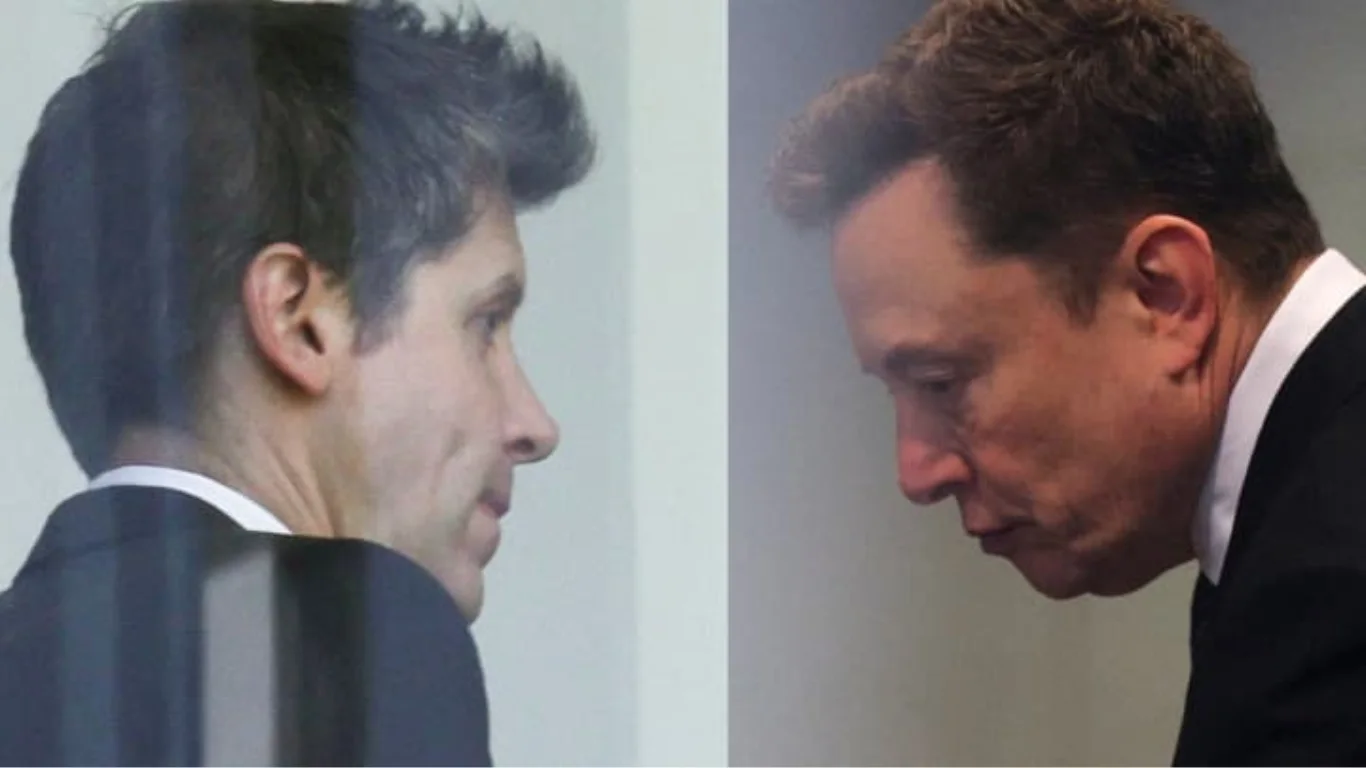
The Musk vs. Altman OpenAI Trial Is Over , And It Changed Everything We Thought We Knew About AI's Founding Story
The courtroom in San Francisco smelled like history being rewritten. Or at least that's what it felt like from the outside, watching Elon Musk vs. Sam Altman , arguably the most consequential legal battle in the short, turbulent history of artificial intelligence , finally reach its closing arguments this week.
The jury is expected to deliberate starting next week. And whatever the verdict, this trial has already done something no press release or shareholder meeting ever could: it pulled back the curtain on how OpenAI was actually built, who really controlled it, and why two of the most powerful men in tech ended up suing each other over a nonprofit that turned into a trillion-dollar ambition.
Why the Musk-Altman OpenAI Lawsuit Is the AI Story of the Decade
You might have seen headlines. Musk is suing OpenAI. Altman testifying. A "Jackass" trophy is being presented in court. Fancy seat cushions. It sounds almost absurd. But underneath the drama, the legal questions being decided here will shape how AI companies are allowed to operate, who they answer to, and whether the promise of "building AI for humanity" means anything at all.
This is not just a billionaire feud. This is a fight about whether OpenAI's for-profit conversion was a betrayal of its original charter. And that question matters to everyone , developers, investors, governments, and ordinary people whose lives will be reshaped by AI systems in the coming years.
Read More:Himanta Biswa Sarma Resigns as Assam CM: What Comes Next and Why This Moment Is Bigger Than It Looks
What the Musk vs. Altman Trial Is Actually About , Explained Simply
Here is the core of it. OpenAI was founded in 2015 as a nonprofit. The founding idea, which Musk co-signed and co-funded, was that AI too powerful to be left in any single company's hands should be developed in the open, for the benefit of all. Musk contributed roughly $45 million to that mission.
Then things changed. OpenAI began transitioning toward a capped-profit structure, eventually deepening its relationship with Microsoft, which has now invested over $100 billion in the partnership, according to Bloomberg. Musk left the board in 2018, citing conflicts of interest. He has argued ever since that the shift from nonprofit to for-profit was a fundamental betrayal of the founding agreement.
Sam Altman's side tells a different story entirely. Altman testified that Musk wanted a 90 per cent controlling stake in OpenAI and that when he could not get it, he walked. Altman also claimed Musk wanted the organisation to eventually pass control to his children. Musk's legal team called these claims distorted , accusing Altman of "selective amnesia" and outright lying under oath.
This is the confusion that feels strangely familiar. Two brilliant, immensely powerful people who built something together, now telling opposite stories about what they agreed to.
Read More: West Bengal Post-Poll Violence Explained: What Is Happening on the Ground and Why It Refuses to Stop
The Key Moments That Defined This Trial
Satya Nadella on the witness stand was perhaps the most quietly explosive moment of the trial. The Microsoft CEO described the chaos surrounding Sam Altman's brief firing from OpenAI in November 2023 as "amateur city." He also revealed that Microsoft had prepared a $25 billion contingency plan to absorb OpenAI's entire team if Altman had not been reinstated. That number alone , $25 billion as a backup plan , tells you something about the stakes involved.
Ilya Sutskever, OpenAI's co-founder and one of the most respected minds in AI research, testified that he holds a $7 billion stake in OpenAI. A second new billionaire was revealed during the proceedings. The nonprofit that was never supposed to make anyone rich has minted at least two billionaires that we now know of.
The "Jackass" trophy. OpenAI's legal team presented this as evidence , a real trophy, awarded internally at the company, reportedly connected to Musk's behaviour during his time with the organisation. The courtroom, apparently, did not know quite how to respond to that one.
Closing arguments concluded Thursday. The jury will now decide whether Musk's fraud and breach-of-contract claims hold legal merit.
What Musk Is Claiming and What OpenAI Is Defending
Musk's lawsuit centres on a breach of the original charitable mission. His legal team argued that the OpenAI nonprofit was effectively "left for dead" , a phrase that, interestingly, Altman himself used in a slightly different context during his own testimony, acknowledging the nonprofit arm had been significantly deprioritised.
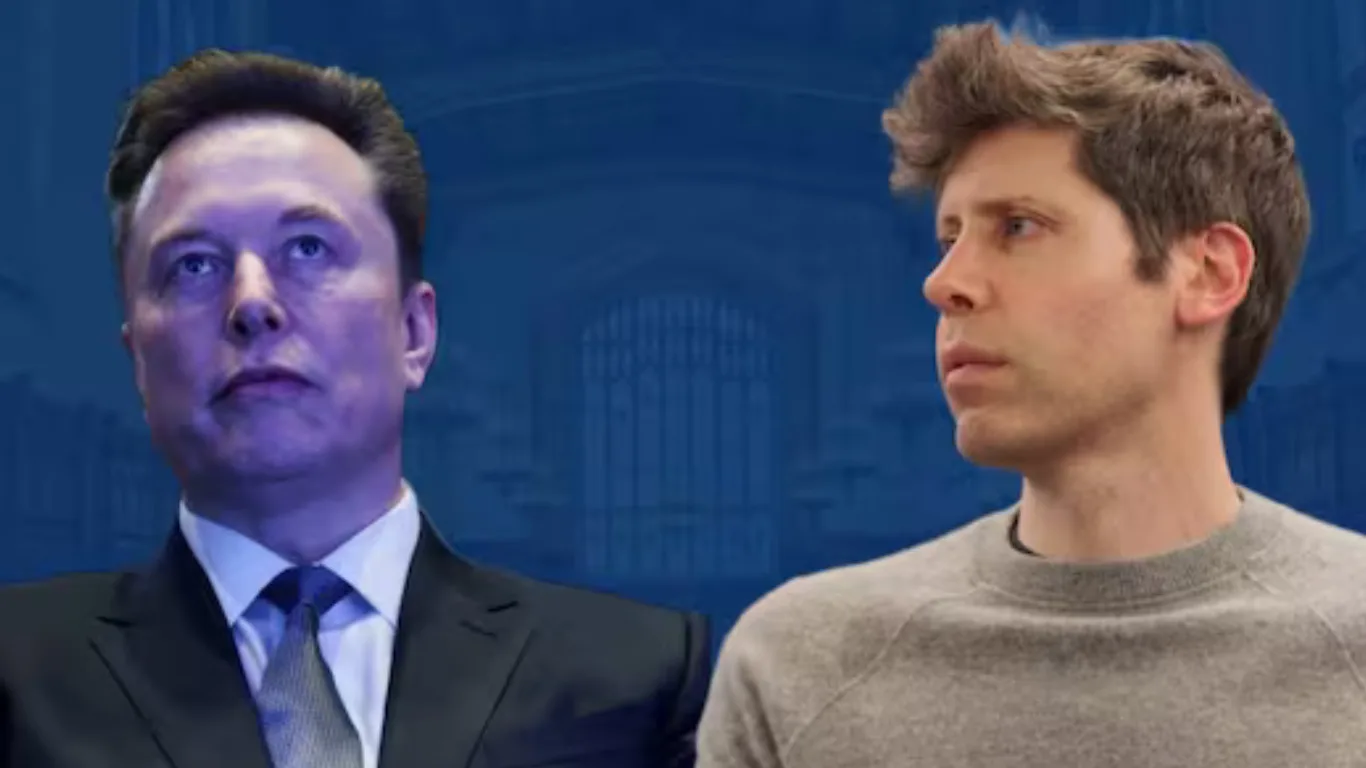
Musk's lawyers also pressed hard on Microsoft's role, arguing that OpenAI's close relationship with the tech giant constitutes exactly the kind of single-corporation control the founders vowed to prevent.
OpenAI's defence has been direct: Musk knew what the company was becoming, contributed less than promised, wanted control that was never offered to him, and left when he did not get it. Altman insisted under cross-examination that he is trustworthy, that the for-profit structure was necessary to compete in a world where training frontier AI models costs billions of dollars, and that the mission has not been abandoned , only adapted.
What People Keep Getting Wrong About This Case
The biggest mistake most observers make is treating this like a simple story of good versus evil, or nonprofit purity versus capitalist greed. It is messier than that.
OpenAI had a genuine problem: you cannot build the world's most powerful AI systems on charitable donations alone. The computing costs are staggering. The talent market is brutal. The nonprofit-only structure, however idealistic, may have been genuinely unworkable at scale.
But Musk's concern , that concentrated control of transformative AI is dangerous , is also not wrong. He has said in court that AI could "kill us all" if no one stops it. Dismiss the drama, and the underlying fear is something serious that AI researchers debate seriously.
The case does not cleanly vindicate either side. That is the part people find uncomfortable.
What This Trial Actually Means Going Forward
Regardless of the verdict, the Musk v. Altman trial has already killed a founding myth: the idea that OpenAI was a pure, selfless endeavour, untouched by ego, money, or power. It was built by extraordinary people with extraordinary ambitions , and like most things built by extraordinary people, it got complicated.
The jury's decision will matter for the corporate governance of AI companies. A ruling in Musk's favour could force OpenAI to revisit its for-profit structure or face constraints on its conversion plan. A ruling for OpenAI clears a path for the company to continue restructuring , and potentially go public.
But the deeper question this trial raised , who should control AI, and who should it serve , will not be settled in any courtroom.
Disclaimer: This article is based on information available across the web. Parchar Manch does not take responsibility for its complete accuracy, as the content could not be fully verified.
Read More: Why China’s Wang Yi Is Skipping the BRICS Delhi Meet — And What It Signals for Global Diplomacy
FAQs
What is the Musk vs. Altman trial about?
Elon Musk is suing OpenAI and Sam Altman, alleging that OpenAI's conversion from a nonprofit to a for-profit structure violates the company's founding agreement. Musk claims he was defrauded and that the original mission , building AI for humanity's benefit , has been abandoned.
When will the jury deliver a verdict?
Closing arguments concluded on May 14–15, 2026. The jury is expected to begin deliberations the following week. No verdict date has been set.
Did Sam Altman testify in the trial?
Yes. Altman took the stand and testified that Musk demanded a 90 per cent controlling stake in OpenAI and, when refused, left the organisation. Altman denied betraying Musk and defended the company's for-profit pivot as necessary for survival.
What is Microsoft's role in all this?
Microsoft has invested over $100 billion in OpenAI. CEO Satya Nadella testified that Microsoft had a $25 billion contingency plan ready to absorb OpenAI's team had Sam Altman not been reinstated after his brief firing in 2023. Musk's legal team argued this level of corporate entanglement violates OpenAI's founding principles.
Could this trial affect OpenAI's plans to go public?
Yes. A ruling in Musk's favour could complicate or delay OpenAI's for-profit restructuring and any potential IPO. A ruling for OpenAI would likely accelerate those plans.
Is this just about money, or is there a real principle at stake?
Both, honestly. There are legitimate legal questions about charitable mission, donor intent, and corporate governance. But there are also enormous financial interests involved on every side. The trial has exposed how much the AI industry's founding idealism has been tested by the reality of building at scale.