Nandan Nilekani Exam Reform Task Force: Why India Just Handed Its Testing Crisis to the Aadhaar Man
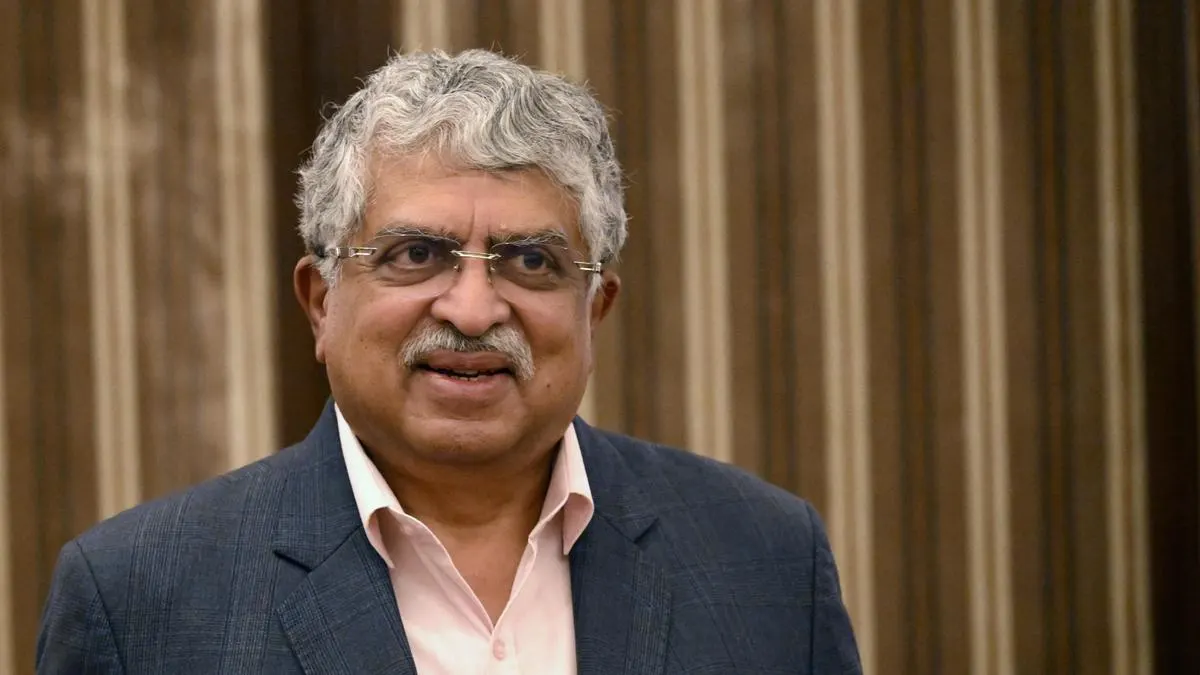
There's a certain irony in this appointment, and it took me a second to place it. The man who built the backbone of India's identity system is now the one being asked to fix the system that's supposed to identify who's actually earned a seat in medical college. That's the Nandan Nilekani exam reform task force, announced on July 26, 2026, and if you've been following the NEET-UG mess even loosely, you'll understand why this name specifically was the one the government reached for.
Let me back up and explain what actually happened, because the headlines move fast and the context tends to get lost.
Why This Actually Matters
Millions of Indian students sit for national entrance exams every year. NEET-UG alone draws over two million applicants competing for a shrinking number of medical seats. When last year's NEET-UG paper leak broke, it wasn't just an administrative embarrassment, it was a trust collapse. Students who'd spent years preparing suddenly had to wonder if the person sitting three rows over had bought the answer key. Protests followed, led partly by groups like the CJP, and Parliament's own panel eventually flagged serious irregularities and asked for a real, time-bound fix rather than another round of patchwork statements.
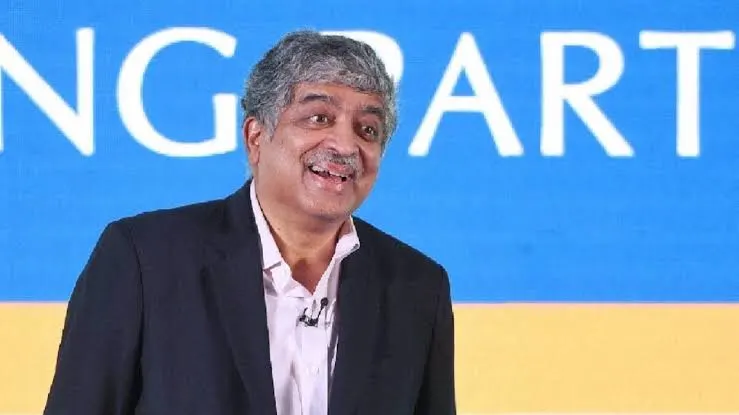
So when Prime Minister Narendra Modi appointed Nilekani to chair this six-member task force, it wasn't a random pick. It was, more or less, an admission that the National Testing Agency, or NTA, needs something closer to a structural overhaul than a press release.
What This Task Force Really Is
Think of it less like a committee that writes a report nobody reads, and more like a diagnostic team called in after a building's foundation cracks. You don't just repaint the walls. You bring in structural engineers, someone who understands the soil, someone who's seen this exact failure before elsewhere.
That's roughly the mix here. Alongside Nilekani as chairperson, the panel includes former ISRO chairman S. Somanath, former Intelligence Bureau director Tapan Deka, IIT Madras director V. Kamakoti, former School Education Secretary Anita Karwal, and Amrit Lal Meena, a senior IAS officer with a logistics background. That's technology, security, education policy, and execution, all in one room. Which, honestly, is what a leak-proof exam system probably needs, since paper leaks are rarely just one kind of failure. They're technology gaps, procedural gaps, and human gaps, all at once.
How the Task Force Is Expected to Work
The task force's mandate, as described, is to recommend structural and technology-driven reforms for the NTA. In practical terms, that likely means looking at things like:
- How exam papers are printed, transported, and stored before test day, since physical custody chains have been a repeated weak point
- Whether computer-based testing, staggered across centers and time slots, can replace the single-paper, single-day model that makes one leak catastrophic
- Digital watermarking, encryption, and access logging for question banks
- Background vetting for anyone with access to exam material, given past leaks have often traced back to insiders
None of this is exotic. It's the same category of problem Nilekani has quietly worked on before, first with Aadhaar's identity infrastructure, and earlier with a government task force on direct subsidy transfers back in 2011. The pattern with him tends to be the same: take a system leaking money or trust through a thousand small holes, and rebuild the pipe instead of patching each hole one at a time.
Real-World Examples Worth Knowing
Nilekani's track record here is genuinely relevant, not just resume padding. He co-founded Infosys in 1981 and ran it as CEO from 2002 to 2007. He then left to build UIDAI, the authority behind Aadhaar, essentially from nothing, into a system that now underpins how hundreds of millions of Indians verify identity for banking, welfare, and taxes. That's the kind of scale problem this exam reform effort resembles. Fixing NEET isn't about one exam. It's about a testing infrastructure that has to serve tens of millions of students a year without a single point of failure.
Mistakes Past Reforms Have Made
Previous responses to exam leaks have leaned heavily on punishment after the fact, arresting a few people, cancelling and re-conducting a paper, and calling it closure. The Parliamentary panel's own complaint was essentially that this cycle keeps repeating because nobody fixes the upstream system. A task force stacked with technologists and security veterans, rather than only bureaucrats, is a signal that this round is meant to break that cycle instead of managing its symptoms.
A Quiet Pro Tip for Anyone Following This Story
If you want to actually track whether this task force delivers, don't wait for the final report. Watch for interim signals: does NTA pilot computer-based testing for a major exam within the next year? Does exam-center vetting get tightened publicly? Reports that go quiet for eighteen months and then produce a document tend to gather dust. Ones that show visible interim change tend to stick.
Closing Thought
There's something almost fitting about asking the person who helped a billion people prove who they are to now help millions of students prove what they know, honestly, and without a leaked answer key deciding it for them. Whether the exam reform task force actually changes anything structural, or becomes another well-intentioned report, is the real story still to be written.
Read More: JEE Mains Result 2026 Session 2: Direct Links, Steps to Check Scorecard, Cutoff, and What to Do Next
FAQs
Who is leading India's exam reform task force?
Nandan Nilekani, Infosys co-founder and former UIDAI chairman, was appointed chairperson on July 26, 2026.
Why was this task force created?
It follows the 2025 NEET-UG paper leak crisis, which triggered mass protests and a Parliamentary panel demand for structural reform of the National Testing Agency.
Who else is on the task force?
Former ISRO chairman S. Somanath, former IB director Tapan Deka, IIT Madras director V. Kamakoti, former School Education Secretary Anita Karwal, and IAS officer Amrit Lal Meena.
What will the task force actually recommend?
Structural and technology-driven reforms for the NTA, likely covering exam security, digital testing infrastructure, and process oversight, though the final recommendations haven't been published yet.
Has Nilekani done government work like this before?
Yes. He led UIDAI and built Aadhaar, and previously chaired a 2011 government task force on direct subsidy transfers for fuel and fertilizer.