
NASA Swift Telescope Rescue Mission: The Space Tow Truck Racing to Save a Dying Observatory
There is something oddly moving about watching engineers scramble to save a piece of hardware most people have never heard of. A telescope, twenty two years old, drifting slowly toward a fiery end in Earth's atmosphere, and a small team deciding, essentially, not on our watch. The NASA Swift telescope rescue mission launched this past week is exactly that story, equal parts technical marvel and genuine urgency.
If the name Swift does not ring a bell, that is fair. It is not a household telescope like Hubble. But for over two decades, it has quietly done essential work, and now it needed saving, fast, before physics simply took its course.
Why This Rescue Mission Actually Matters
The Neil Gehrels Swift Observatory has spent twenty two years studying some of the universe's most violent, fleeting events, gamma ray bursts, exploding stars, moments that last seconds but reveal enormous amounts about how the cosmos behaves under extreme conditions. Losing it prematurely would mean losing a working, valuable scientific instrument, not because it broke, but because of something almost mundane in comparison, atmospheric drag.
That distinction matters. This was not a satellite failing due to old age or malfunction. Increased solar activity puffed up Earth's upper atmosphere just enough to drag the telescope's orbit downward faster than expected, threatening to burn it up entirely. Losing a $500 million scientific asset to something that preventable is exactly the kind of scenario worth racing against.
Read More: India Summons Meta Over Instagram Child Abuse Ads: What Actually Happened and Why It Matters
What Actually Happened, Explained Simply
Think of it like your car slowly sinking lower in a garage due to a slow leak in its tires, except the garage is low Earth orbit, and the leak is caused by the sun itself. Solar storms had puffed up the upper atmosphere enough to noticeably increase drag on Swift, pulling its orbit down toward the point where it would eventually burn up on reentry.
NASA's solution was almost startlingly fast by space industry standards. A private company called Katalyst built a rescue spacecraft, named LINK, specifically designed to reach Swift, dock with it, and give its orbit a boost, essentially reversing that slow atmospheric sinking. What makes this remarkable is the timeline, the spacecraft was reportedly developed in under a year, some reports say as few as nine months, an extraordinarily compressed schedule for a mission of this complexity.
How the Rescue Mission Actually Unfolded, Step by Step
- Engineers identified that solar storm activity had accelerated atmospheric drag on the aging Swift Observatory, shortening its expected remaining time in orbit significantly.
- Katalyst, working with NASA, developed the LINK spacecraft specifically to perform an orbital reboost, a first of its kind commercial rescue mission for an existing NASA asset.
- LINK launched aboard a Northrop Grumman Pegasus rocket, air launched from a carrier aircraft over the Marshall Islands, following a brief weather related delay.
- Following launch, mission teams confirmed successful contact with the spacecraft, with tracking data showing it settled into an orbit consistent with mission planning.
- The next phase involves LINK maneuvering to rendezvous with Swift itself, attempting to physically boost the telescope's orbit and extend its operational life.
Read More: Alia Bhatt Alpha Spy Thriller Finally Hits Theatres, But the Numbers Tell a Complicated Story
Real World Details That Make This Mission Genuinely Remarkable
The cost comparison here is striking. Swift itself represents roughly $500 million in scientific infrastructure, while the rescue mission cost approximately $30 million, a relatively modest investment to protect a far larger asset. That kind of cost ratio is part of why this mission drew so much attention across the space industry, beyond just science enthusiasts.
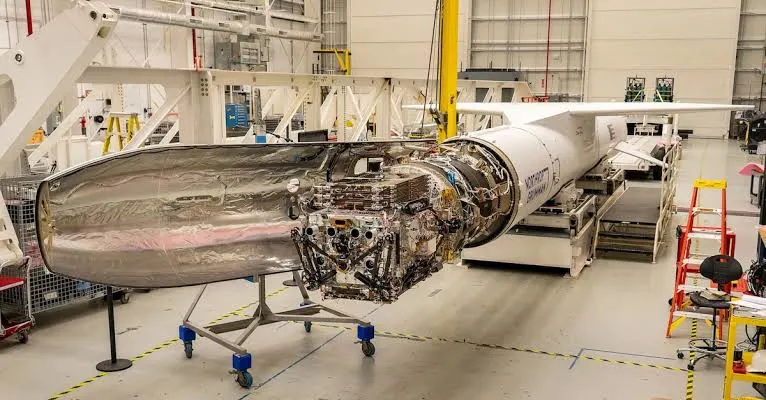
It is also worth noting this represents a genuinely new category of space mission, a private company performing an orbital rescue and life extension service for an existing government operated spacecraft, rather than building and launching something entirely new. If successful, this approach could influence how aging but still functional satellites and telescopes are handled going forward, rather than simply letting them deorbit once their initial mission parameters shift.
Mistakes People Keep Making When Reading This Story
A common mistake is assuming this rescue mission means Swift was broken or malfunctioning. It was not. The telescope remained scientifically functional, the threat was purely orbital, driven by atmospheric conditions largely outside anyone's control, which is precisely why a reboost mission, rather than a repair mission, made sense here.
Read More: NASA Swift Telescope Rescue Mission: The Wild Plan to Grab a Falling Observatory Before It Burns Up
Another mistake is underestimating how fast this entire effort came together. Space missions typically take years from concept to launch. Compressing Katalyst's LINK spacecraft development into under a year, while still successfully reaching orbit and establishing contact, represents a genuinely unusual pace for the industry, and glossing over that timeline undersells just how ambitious this rescue effort actually was.
Pro Tips for Following This Story as It Develops
Watch for updates specifically around the rendezvous and docking phase, since that step, LINK physically approaching and interacting with Swift, represents the most technically challenging part of the entire mission, more so than the launch itself. Also, keep an eye on whether this approach gets repeated for other aging satellites, since a successful outcome here could set a genuine precedent for commercial orbital rescue services going forward.
Closing Thoughts
There is something quietly reassuring about watching an aging piece of scientific hardware get a second chance, not through nostalgia, but through genuine engineering effort and a company willing to move remarkably fast when it mattered. Whether LINK successfully reaches and reboosts Swift or not, this mission has already demonstrated something worth remembering, that saving what still works can sometimes matter just as much as building what is new.
Read More: Chandrayaan-3 Landing Site Meteorite Match Just Rewrote a Small Piece of Moon History
Disclaimer: This article is based on information available across the web. Parchar Manch does not take responsibility for its complete accuracy, as the content could not be fully verified.
FAQs
Why was the Swift telescope at risk of falling to Earth?
Increased solar activity puffed up Earth's upper atmosphere, increasing drag on the telescope's orbit and accelerating its descent toward reentry.
What is the LINK spacecraft?
LINK is a rescue spacecraft built by the private company Katalyst, designed to rendezvous with the Swift Observatory and boost its orbit to extend its operational life.
How much did this rescue mission cost?
Reports indicate the mission cost approximately $30 million, compared to Swift's estimated value of around $500 million.
How old is the Swift Observatory?
The Neil Gehrels Swift Observatory has been operating for approximately twenty two years.
Was the Swift telescope broken before this mission?
No, the telescope remained scientifically functional. The threat was purely due to orbital decay from atmospheric drag, not equipment failure.
What happens next in the rescue mission?
The LINK spacecraft will attempt to rendezvous with Swift and perform an orbital reboost, the most technically challenging phase of the mission.