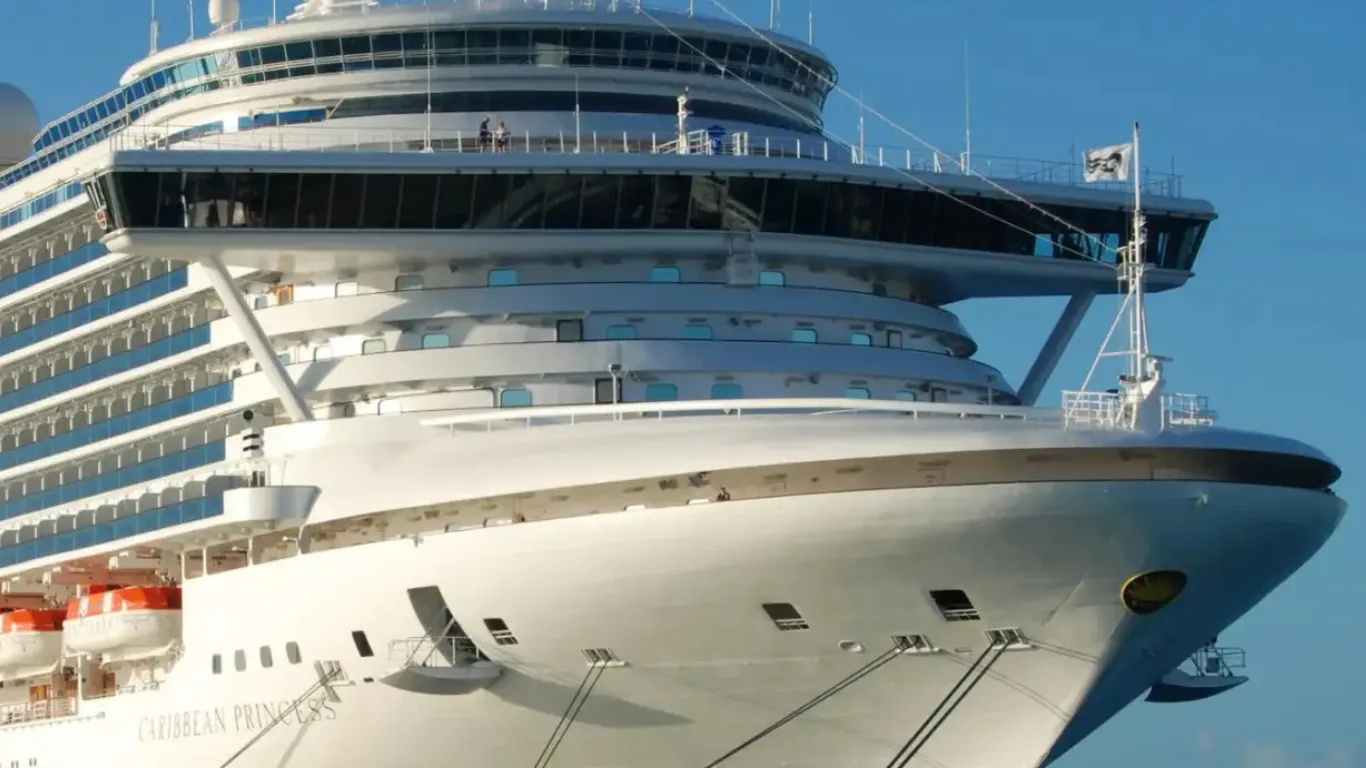
115 Passengers Sick on Caribbean Princess: The Norovirus Cruise Outbreak That Has Everyone Talking
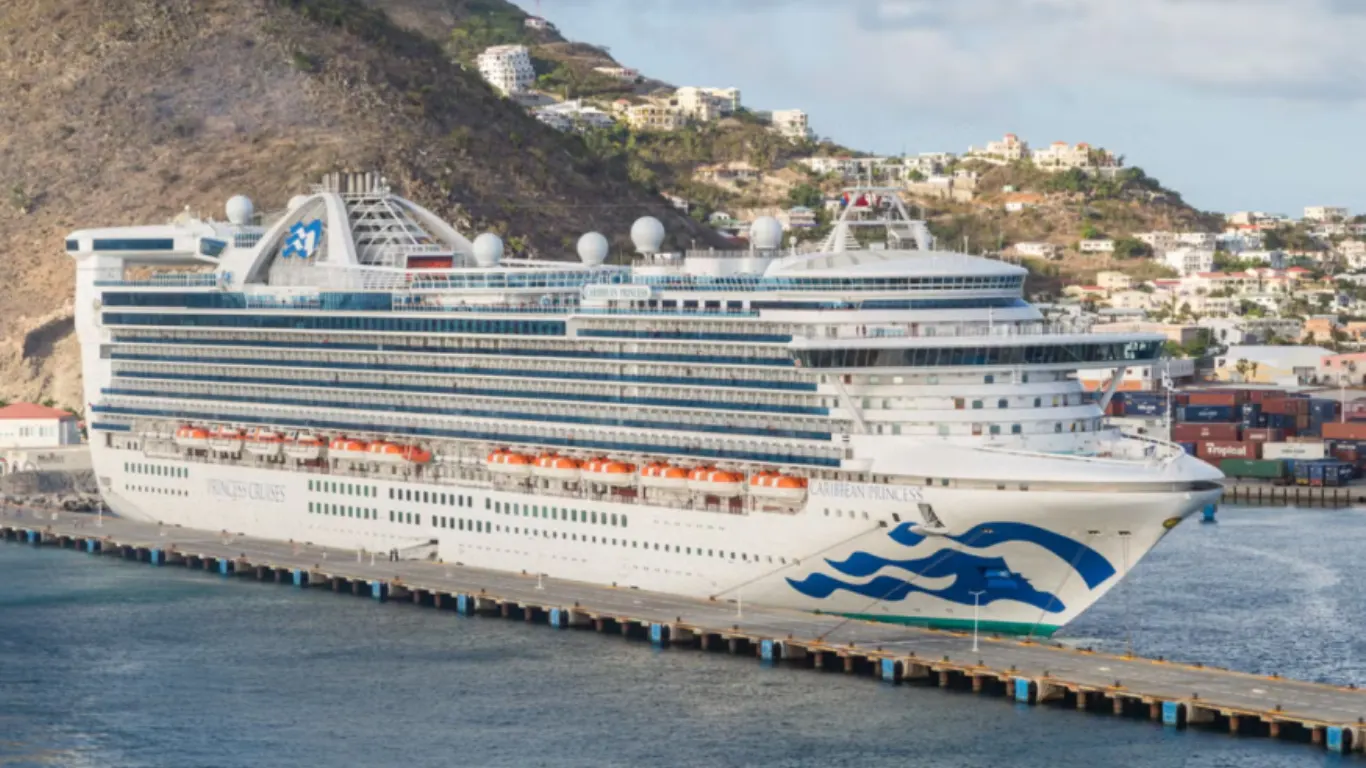
Norovirus on a cruise ship again. That sentence alone carries a strange, uncomfortable familiarity. And yet, here we are, watching the same story unfold on the same ocean, with the same unsettling symptoms and the same headlines. The Caribbean Princess, a Princess Cruises vessel carrying thousands of passengers on a 13-night Southern Caribbean voyage, became the centre of a public health alert after 115 people fell sick mid-voyage. This was not a quiet health notice buried in fine print. The U.S. Centres for Disease Control and Prevention (CDC) confirmed it, filed it, and launched an investigation.
It is worth sitting with that for a moment. 115 people. On a ship. In the middle of the Atlantic.
What Exactly Happened on the Caribbean Princess?
The Caribbean Princess departed from Fort Lauderdale on April 28 on a voyage scheduled to end May 11. The CDC's Vessel Sanitation Program received official notification of the outbreak on May 7. By that point, the numbers had already crossed the threshold that requires public reporting.
According to CDC data, 102 of the ship's 3,116 passengers reported falling ill roughly 3.3% of all passengers along with 13 of the 1,131 crew members aboard. The dominant symptoms were straightforward and deeply unpleasant: vomiting and diarrhoea. The confirmed cause was norovirus.
In response, the ship's crew increased cleaning and disinfection procedures, isolated those who had fallen ill, and collected stool specimens for laboratory testing. Princess Cruises also stated that upon arrival at Port Canaveral on May 11, the vessel would undergo comprehensive cleaning and disinfection before its next voyage.
Read More: Easy Healthy Lunch Recipes for Busy Weekdays (Ready in 20 Minutes)
Why Cruise Ships and Norovirus Are Such a Familiar Pair
This is not a coincidence, and it is not bad luck. Cruise ships are, structurally, one of the most efficient environments for norovirus to do what it does best: spread.
Norovirus has earned a reputation as the cruise ship virus, accounting for 17 out of 23 gastrointestinal outbreaks recorded in 2025 alone. Thousands of people sharing dining halls, buffet lines, handrails, elevator buttons, and bathrooms it is practically designed for a highly contagious virus to thrive. Norovirus does not need much. A contaminated surface. A shared serving spoon. Close contact with someone already sick.
The CDC publicly reports an outbreak when 3% or more of a ship's passengers or crew report gastrointestinal symptoms, monitored through the Vessel Sanitation Program (VSP). This outbreak cleared that bar.
This is the fourth gastrointestinal illness outbreak reported by the CDC in 2026 and the second on a Princess Cruises ship. The previous outbreak hit the Star Princess in March, when 153 passengers were infected with norovirus.
What Is Norovirus, Really?
People hear the word and often picture something exotic or rare. It is neither. Norovirus is one of the most common causes of acute gastroenteritis on the planet. It spreads through contaminated food and water, direct contact with infected individuals, and touching surfaces that carry the virus then touching your mouth. That is really all it takes.
Most people develop symptoms within 12 to 48 hours of exposure. The illness typically lasts one to three days, and most healthy adults recover without medical treatment. However, norovirus can be more serious for older passengers, young children, and anyone with an underlying health condition. On a ship full of people of all ages and backgrounds, that matters.
It is also worth clarifying something that confused a lot of people online: Norovirus is completely unrelated to the hantavirus outbreak that occurred around the same time on the MV Hondius, a separate vessel. Two ships. Two different viruses. Two very different levels of severity.
Read More: Tamil Nadu Hung Assembly 2026: Why Vijay's Historic Win Is Hanging by a Thread
The Response Onboard and What Passengers Said
Here is the part that might surprise you. Life on the Caribbean Princess, by passenger accounts, kept moving.
Passenger Jan van Milligen, who had been aboard with family and friends from South Africa for 21 days, told NBC News: "The normal atmosphere is still here. We went to a show last night, had dinner and breakfast this morning.
That is not dismissiveness. That is what happens when 115 cases out of over 3,000 people are spread across nearly two weeks of a voyage. The CDC noted that not all 115 infected individuals were ill at the same time, and several had already recovered from the norovirus infection by the time reporting began.
Still, the protocol was real. Isolation of sick passengers and crew. Deep cleaning of public spaces. Stool specimen collection. CDC field investigators were deployed for an environmental assessment and outbreak investigation. None of that is routine in the way that setting a dinner table is routine.
Common Mistakes People Make During Onboard Illness Outbreaks
One thing that keeps norovirus alive on ships is simple human behaviour. People feel slightly unwell, take an antacid, and head to the buffet anyway. They assume they ate something bad. They do not report symptoms to the ship's medical centre.
When passengers and crew report symptoms to the onboard medical centre, it helps detect GI illness outbreaks quickly allowing steps to be taken to limit the spread. Reporting is not an overreaction. It is the mechanism that allows the system to work.
Another mistake: skipping hand hygiene. Norovirus is unusually resistant to alcohol-based hand sanitisers in some conditions. Soap and water remain the most reliable defence.
Read More: Mamata Banerjee Refuses to Resign After West Bengal Election Defeat: Is Democracy Under Threat?
What Should Future Cruise Passengers Know?
If you are planning a cruise, this story is not a reason to cancel. It is a reason to be informed.
Wash your hands thoroughly, especially before meals. Report any gastrointestinal symptoms to the ship's medical centre early, not two days later when you feel terrible. Avoid the buffet if you feel off. These are small, practical steps, but on a ship, small steps carry outsized weight.
The incident also marks the second major gastrointestinal outbreak on the Caribbean Princess in the last six years. In 2020, more than 300 passengers reportedly fell sick during another outbreak that forced the ship to shorten its voyage.
Patterns matter. And this one is worth paying attention to.
Closing Thoughts
There is something quietly unsettling about a luxury cruise becoming a contained health event. Not because it is catastrophic — most people recovered, life continued but because it reminds you how fragile collective health can be in shared spaces. A virus that takes 48 hours to show up does not care about ocean views or dinner reservations.
The Caribbean Princess is back at port. Comprehensive cleaning is underway. The next voyage will depart. And somewhere in all of that, the right lesson is not fear it is awareness. Know the virus, know the symptoms, report early, and wash your hands. Boring advice, maybe. But also the kind that actually works.
Disclaimer: This article is based on information available across the web. Parchar Manch does not take responsibility for its complete accuracy, as the content could not be fully verified.
Read More: Born After 2008? You Can Never Legally Buy a Cigarette in the UK. Here Is What That Actually Means