NYT Strands Puzzle Guide: How Today's Theme and Spangram Actually Work
There is a particular kind of stubbornness that comes with staring at forty eight letters on a grid, convinced the answer is right there, just out of reach. That feeling is basically the entire appeal of the NYT Strands puzzle, and if you have found yourself hooked on it lately, you are far from alone. This is the New York Times game that quietly slipped in between Wordle and Connections and became its own daily ritual for millions of players.
Today's puzzle theme, officially labeled On the lips, is a good example of exactly how clever and occasionally sneaky these puzzles get.
Why This Actually Matters
If you already play Wordle or Connections, understanding Strands genuinely changes how you spend those few morning minutes with coffee and a phone screen. It is not just another word search. The puzzle rewards actual pattern thinking, not luck, and once you understand how the spangram ties everything together, the whole game starts clicking in a way it simply does not for casual players guessing randomly.
There is also a small daily satisfaction in it. Cracking the theme before your friends do, or beating your own solving time from yesterday, taps into something oddly competitive even when nobody else is watching.
What a Strands Spangram Really Is, Explained Simply
Think of the grid like a room full of furniture pushed together in odd shapes, and somewhere among that furniture sits one long piece stretching wall to wall. That long piece is the spangram, the special word or phrase that touches two opposite sides of the board and directly reveals the day's theme. Every other hidden word, called a theme word, relates back to that spangram in some way, whether literally or through wordplay.
Today's theme, On the lips, is a clean example. The spangram is KISSANDMAKEUP, cleverly used in its literal sense rather than its usual idiomatic meaning about reconciliation. Around it, the grid hides beauty and cosmetic terms like BALM, GLOSS, LINER, PLUMPER, STAIN, STICK, and TINT, all things you would genuinely apply to your lips during a morning routine.
Read More: Akanksha Chamola Confirms Split From Gaurav Khanna: What Really Happened on Lock Up 2
How to Solve the NYT Strands Puzzle, Step by Step
- Start with the theme clue shown at the top of the puzzle, since it hints at the category before you touch a single letter.
- Scan the 6 by 8 letter grid slowly, looking for short, common words first rather than rare ones.
- Connect letters horizontally, vertically, or diagonally, since Strands allows movement in any direction unlike simpler word searches.
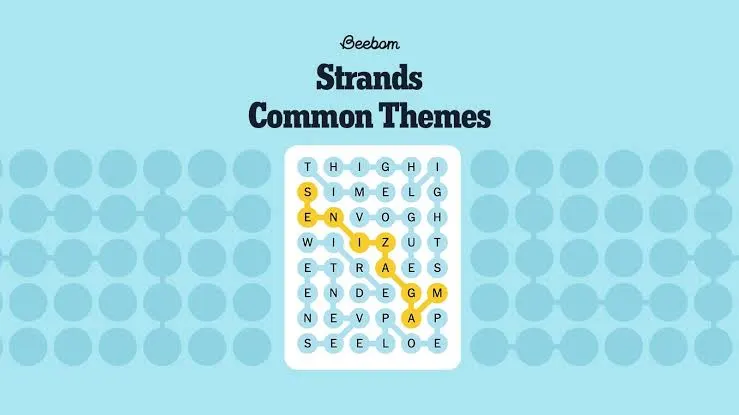
- Find any three non theme words correctly to unlock a free hint, which highlights part of the spangram's path.
- Keep the spangram in mind while solving, since once you crack a couple of theme words, the connecting phrase often becomes obvious.
- Fill the entire board eventually, since all theme words plus the spangram must be found to complete the puzzle.
None of this requires special vocabulary knowledge. It rewards patience more than trivia, which is part of why it feels so approachable even for beginners.
Real World Examples From Recent Strands Puzzles
Today's July 9 puzzle, themed On the lips, hid its answers in tricky diagonal patterns across common short beauty terms, which made the spangram KISSANDMAKEUP genuinely satisfying to uncover once players noticed the double meaning at play.
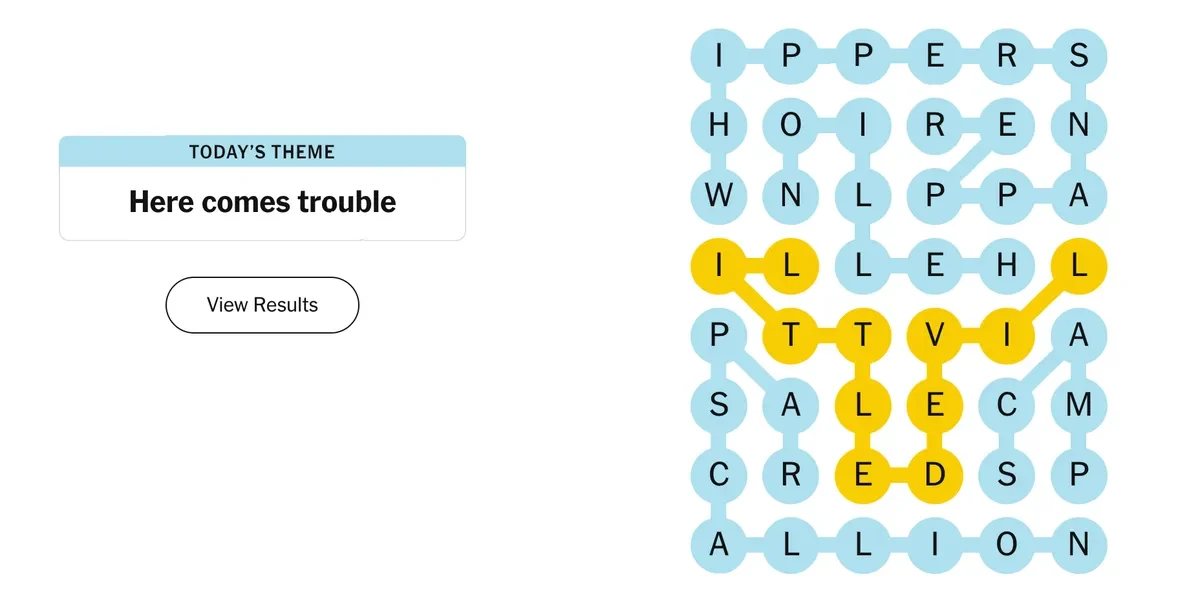
The day before, Strands puzzle number 857 ran with a theme called Here comes trouble, hinting at playful nicknames for small troublemakers who cannot seem to behave. That kind of theme, built around personality types rather than objects, shows how varied Strands categories can get from one day to the next, sometimes concrete, sometimes conceptual.
Mistakes People Keep Making With Strands
A frequent one. Players try to guess the spangram immediately, before finding any theme words at all. That usually backfires, since the spangram rarely reveals itself cleanly until a couple of shorter words give context clues about the category.
Another common mistake is ignoring diagonal paths entirely. Many newer players instinctively search only left to right or top to bottom, missing words that snake diagonally across the grid, which is exactly where puzzle setters like to hide their trickiest answers.
Pro Tips That Actually Help With Strands
Read the theme clue twice before touching the grid, since these clues often contain a double meaning worth sitting with for a moment. Look for compound words or phrases first when hunting for the spangram, since many spangrams, like today's KISSANDMAKEUP, combine two shorter familiar words into one long stretch. And if you get stuck, deliberately find three throwaway words anywhere on the board just to unlock the built in hint system, rather than staring blankly at the same corner of the grid.
Closing Thoughts
There is something quietly comforting about a puzzle that resets every midnight, giving everyone the exact same forty eight letters and an equal shot at solving it. The NYT Strands puzzle keeps proving that a simple format, letters, a theme, and one connecting spangram, can still surprise you daily if the wordplay is sharp enough.
Read More: WhatsApp Usernames Are Coming, And Your Phone Number Might Finally Get Some Privacy
Disclaimer: This article is based on information available across the web. Parchar Manch does not take responsibility for its complete accuracy, as the content could not be fully verified.
FAQs
What is the NYT Strands puzzle?
It is a daily word puzzle from The New York Times where players find theme words hidden in a 6 by 8 letter grid, plus one special spangram word that reveals the day's theme.
What is a spangram in Strands?
It is the theme defining word or phrase that stretches from one side of the grid to the opposite side, connecting all the other theme words together.
How many words do I need to find to unlock a hint?
Finding three non theme words anywhere on the board unlocks a free hint toward the spangram's location.
Can words in Strands go diagonally?
Yes, words can be formed by connecting letters horizontally, vertically, or diagonally, unlike traditional word search puzzles.
Is Strands harder than Wordle or Connections?
It depends on the player, but Strands generally rewards pattern recognition and theme thinking more than vocabulary size, making it a different kind of challenge than either game.
Does the Strands theme change every day?
Yes, a brand new theme, letter grid, and spangram are released daily, refreshing shortly after midnight Eastern time.