
Power Shifts 2026: A Clear Look at India’s Changing Political Scene
India’s political landscape in 2026 feels like a turning point , a quiet thunder of changes that ripple through both state and national arenas. Everywhere you look , from big cities to far‑off towns , people are talking about Power Shifts 2026. Some talk is hopeful, some worried, but all of it reflects a moment when politics is not just about parties and leaders, it’s about people’s expectations.
This year, assembly elections are being held in multiple states. These elections are more than just choosing governments; they are shaping political realignment across the country. Elections can change which parties matter, how alliances are built, and who gets to lead. In a democracy as big as India, that means real power changes hands.
Governments are not static. They shift with voters’ hopes, with alliances forming and dissolving, and with new faces emerging. In 2026, the way people vote in assembly elections in states like West Bengal, Assam, Tamil Nadu, Kerala, and Puducherry will tell us if citizens want continuity , or dramatic change.
These contests affect how power is spread and how the centre and states interact. Each election has the potential to redraw political maps. Even at the national level, leaders are changing, and new faces are rising.
For example, the Bharatiya Janata Party (BJP) , India’s central governing party , appointed Nitin Nabin as the National Working President near the end of 2025. This appointment signals a leadership change and potential long‑term shift in how the party positions itself for future national elections, including 2029.
This year’s shifts are not isolated to one region. They reflect the broader idea that politics in India is evolving , sometimes slowly, sometimes quickly , and often in unpredictable ways.
Read More: How Political Party Developments in 2026 Influence Policy Decisions and Voter Behaviour
2026 Assembly Elections: Where Power Is Being Tested
States in the Spotlight
Several states are having assembly elections in early and mid‑2026 that will define local power dynamics and, by extension, influence national trends.
Here’s how some key states are shaping up:
- West Bengal: The BJP is campaigning hard with a big “परिवर्तन यात्रा” (transformation march) to build support. Senior leaders , including national figures , are leading large public outreach efforts.
- Assam: The state goes to polls in March–April 2026, and the incumbent BJP government led by Himanta Biswa Sarma faces a challenge from the Indian National Congress and allied regional parties.
- Tamil Nadu: Polls here are expected to be competitive, with leaders from major parties pressing their messages to voters. Political fragmentation has opened the field to new formations and promises.
- Kerala: The state , now in the process of being officially renamed “Keralam” , heads into elections with cultural and political identity at the centre of debates.
- Puducherry: A small Union Territory with big political interest, voters are again deciding who will lead and control local policy decisions.
Read More: Major State Assembly Updates 2026: Political Movements and Decisions Affecting Citizens
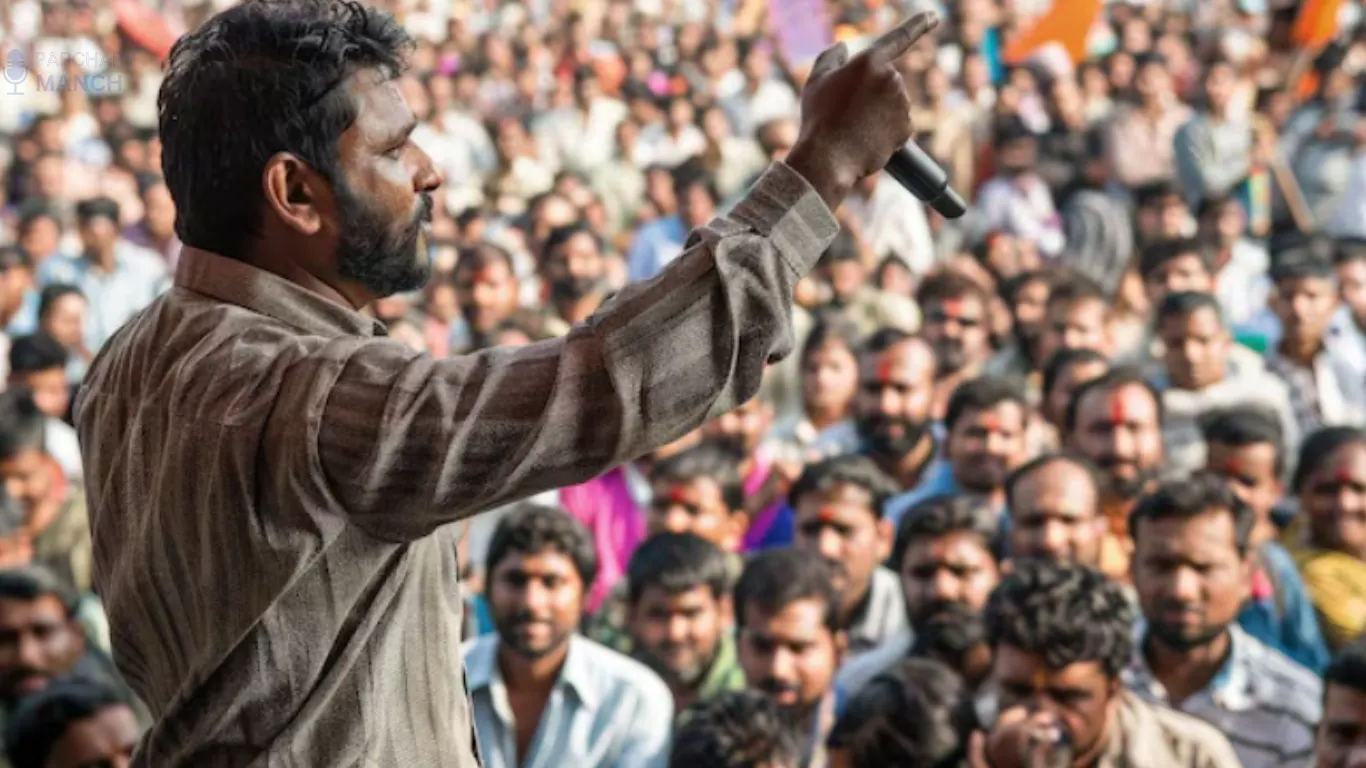
Each of these elections may bring coalition changes or leadership shifts. Local results show where citizens are dissatisfied or content with the ruling governments. These trends often signal what might happen in national polls later.
Coalitions: Rethinking Partnerships and Strategies
In India, no single party wins everywhere. This makes coalition changes crucial for political strength. For years, the BJP‑led National Democratic Alliance (NDA) has been a dominant bloc at both the state and national levels.
Still, opposition parties have been trying to build strength through alliances like the INDIA bloc. These coalitions matter because they affect who gets a majority and who doesn’t.
When parties join hands , or leave each other , that’s a part of political realignment that can reshape how governments form. Sometimes coalitions collapse, sometimes they strengthen. When they change, it opens room for new leadership, different governance priorities, and new policies. That scenario makes 2026 a pivotal year for alliances, some of which might even form across traditional ideological lines.
Read More: Government Policies 2026: Shaping Economic Growth and Citizen Welfare in India
Local Elections and Broader Change
Local elections are often overlooked, but in Power Shifts 2026, they matter a lot. Take the Brihanmumbai Municipal Corporation (BMC) elections, for example. The BJP’s strong performance there in early 2026 was not just a local win , many analysts said it reflected bigger shifts in political support in Maharashtra’s largest city.
When local bodies like corporations and municipalities shift power, it often signals voters’ changing attitudes long before state or national elections. Local leaders affect daily life , water supply, traffic, local jobs , so success there can build momentum.
Leadership Change: Who’s Rising?
Power shifts also happen when new leaders rise or old ones step back. As mentioned earlier, Nitin Nabin’s appointment as National Working President of the BJP shows a generational leadership shift inside one of India’s main parties.
This kind of leadership change tells us that parties are preparing for a future beyond current leadership , and these internal changes affect how big parties plan campaigns, policy direction, and candidate selection. Sometimes, a new leader can energise a party's base; other times, it can expose weaknesses.
Political parties across India are also training new leaders and bringing youth into central roles. These shifts have long‑term implications for Indian democracy.
How Elections at Different Levels Affect Each Other
The term government transition is vital , when one government ends, and another begins. Elections at the state level influence national politics because:
Read More: Top Political Party Updates 2026: Manifestos, Leadership Changes, and Election Strategies
Disclaimer: This article is based on information available across the web. Parchar Manch does not take responsibility for its complete accuracy, as the content could not be fully verified.
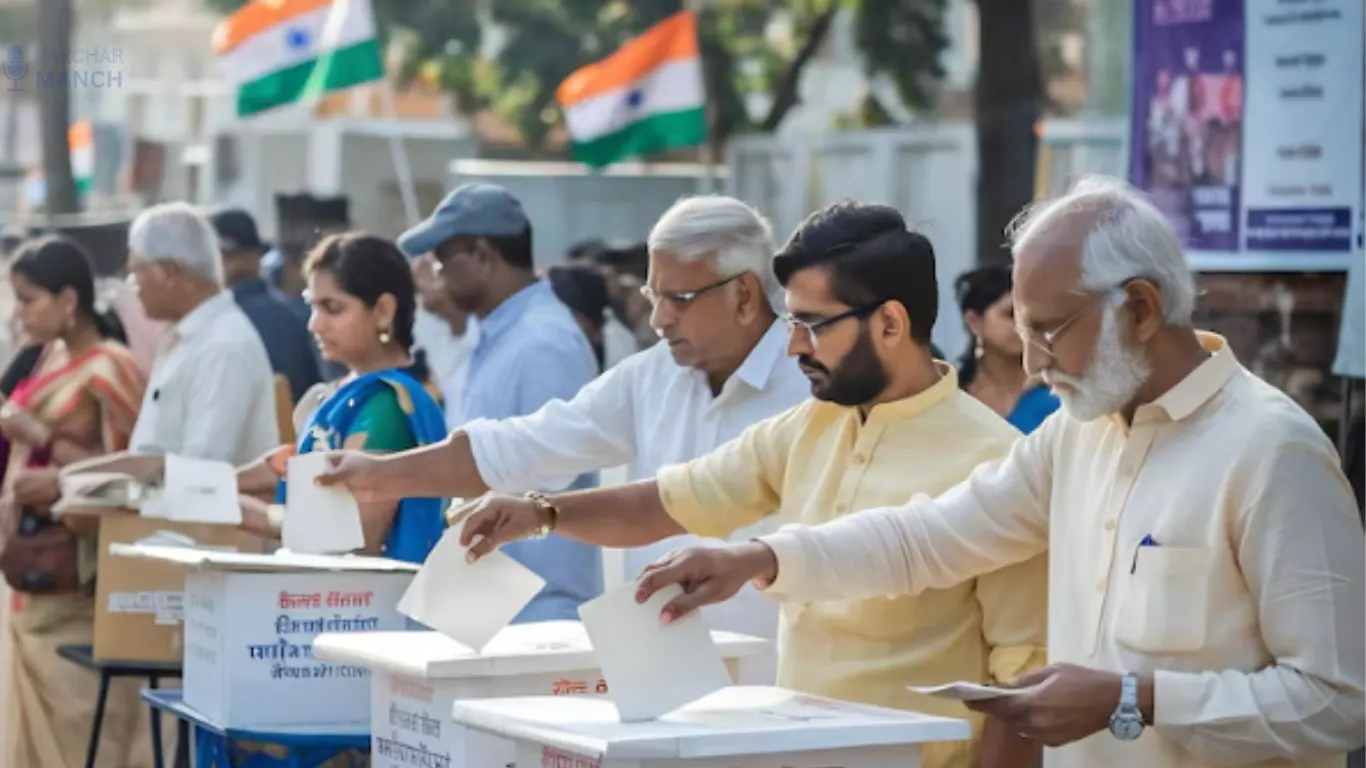
- They show how people feel about nationwide policies.
- They affect the strength of parties in the Parliament, especially in the Rajya Sabha (Upper House), where state legislators elect members.
- They shape parties’ confidence and bargaining power for alliances.
Elections, in this sense, are like many small ripples that build into a large wave. A win or loss in one state can encourage or weaken a party’s national strategy.
National Level: The Big Picture
At the national level, India’s political climate in 2026 continues to be influenced by the composition of the Lok Sabha (Lower House) and alliances that support the Centre.
While the BJP remains strong, it is also clear that opposition parties are trying to regain ground by forming alliances, appealing to local issues, and focusing on regions where voters feel neglected.
The Rajya Sabha elections and other ongoing political debates also affect the overall balance of power. Although the Lok Sabha term will go on until 2029, the way parties perform at state polls this year will impact national decisions on legislation, appointments, and policy directions.
Read More: Key Parliament Updates 2026: Bills Passed, Debates Held, and Policy Decisions Explained
Why Power Shifts 2026 Matters for Everyday People
You might wonder , why should these power shifts matter to a regular person?
Power shifts shape:
- How services reach you , like health, education, and jobs.
- Who makes rules about taxes, land laws, and development projects?
- How regional issues get attention at the national level.
- How inclusive governance can become.
Politics might feel abstract, but the outcomes , government plans, leaders, and priorities , affect everyday life.
Conclusion
The Power Shifts 2026 narrative in India’s politics is not simple or static. It is alive, evolving, and sometimes unpredictable. In 2026, citizens have a rare chance to reshape both local and national governance by voting in key assembly elections. These elections reveal not only which governments will form but also how alliances realign and leadership evolves.
From West Bengal’s political campaigns to Assam’s electoral battles, from local municipal changes to broader coalition dynamics , each shift adds a piece to India’s complex democratic puzzle. Leadership changes, alliance patterns, and citizen choices are creating a political map that might look very different by the end of this year.
Understanding political realignment, coalition changes, government transition, and leadership change helps explain why these shifts are important. Not just for politicians , but for every citizen who participates in shaping India’s future. These patterns show that power is dynamic, not permanent, and that democracy thrives when people’s voices create real change.
Read More: Impact of Government Policies 2026 on Businesses, Housing, and Healthcare Decisions
Disclaimer: This article is based on information available across the web. Parchar Manch does not take responsibility for its complete accuracy, as the content could not be fully verified.
FAQs
What does “Power Shifts 2026” mean in Indian politics?
Power Shifts 2026 refers to the changing balance of political power at both the state and national levels during the year 2026. It includes election outcomes in several Indian states, changes in political alliances, leadership changes within major parties, and how these changes can affect future governance.
Why are the 2026 state elections so important?
The 2026 state elections are important because they will determine which parties lead major states like West Bengal, Assam, Tamil Nadu, and Kerala. The results reflect public opinion, shape alliances, and influence national politics, making them critical to overall political changes in India.
How do local elections affect national politics?
Local elections, such as municipal or corporation votes, show voter sentiment about governance and public services. Success at the local level can build momentum for bigger elections and affect parties’ confidence and strategies at the state and national levels.
What role do coalitions play in Indian politics in 2026?
Coalitions play a big role as no single party wins everywhere in India. In 2026, parties team up to form alliances so they can secure majorities and govern. These coalition changes determine who leads governments and how stable they will be.
Are there new leaders emerging in 2026?
Yes. New leaders such as Nitin Nabin, appointed as the BJP’s National Working President, reflect leadership change and generational shifts within major political parties. These changes affect party strategies and future political direction.