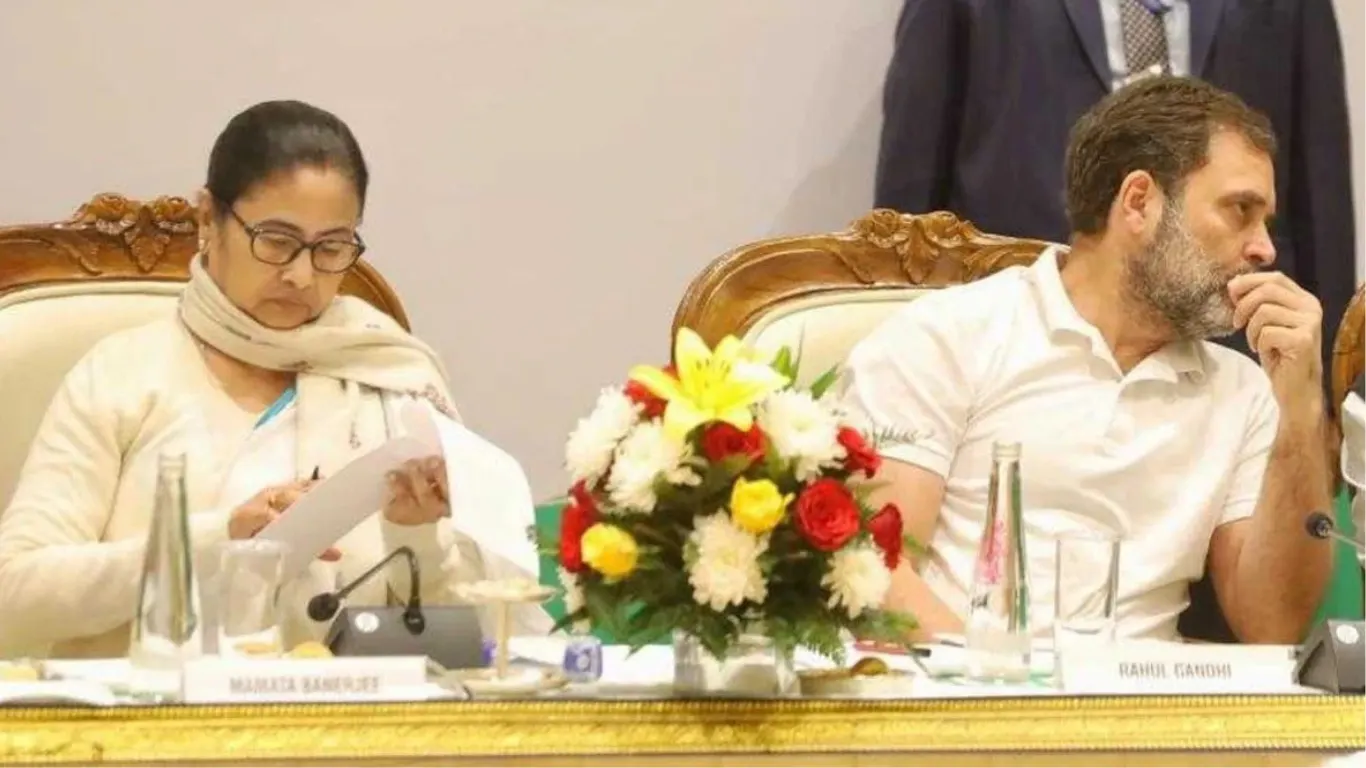
Rahul Gandhi Warns Congress: Celebrating Mamata's Bengal Defeat Misses the Bigger Threat
It takes a certain kind of political discipline to stop your own party from celebrating. Rahul Gandhi did exactly that on May 5, 2026, and what he said is worth paying close attention to.
The BJP had just won West Bengal with 206 seats, ending Mamata Banerjee's 15-year grip on the state. For many in the Congress party, which has had a tense and often bitter relationship with the Trinamool Congress (TMC), this was almost satisfying to watch. The party that had repeatedly undermined Congress in Bengal and had often been the reason Congress could not grow in the state had finally been beaten. Some Congress workers and the India alliance members were openly expressing something close to relief.
Rahul Gandhi called that out directly.
Why Rahul Gandhi Said "Put Petty Politics Aside" After Bengal Results
Gandhi posted on X, saying: "Some in the Congress, and others, are gloating about TMC's loss. They need to understand this clearly — the theft of Assam and Bengal's mandate is a big step forward by the BJP in its mission to destroy Indian democracy. Put petty politics aside. This is not about one party or another. This is about India."
That is a pointed message. Not a vague call for unity, but a specific warning to specific people within his own camp.
The logic behind it is not complicated, but it is easy to miss when political rivalries run deep. The Congress and TMC have been at odds for years in West Bengal. TMC was born in 1998 precisely because Mamata Banerjee broke away from Congress. The two parties have competed, clashed, and blamed each other for electoral losses at the state level for nearly three decades. So when the TMC finally collapsed, a corner of the Congress ecosystem felt something close to vindication.
Rahul Gandhi's message was: that feeling is a distraction. And a dangerous one.
Read More: Core Member Sandeep Pathak's Exit from AAP Hits Party the Most , And Here Is Why
What Actually Happened in West Bengal 2026
The BJP secured a historic mandate with 206 seats in West Bengal's 294-member assembly, ending 15 years of Trinamool Congress rule. The majority mark was 148. BJP crossed it comfortably. This is significant because, just five years ago, the BJP had fallen short despite a massive campaign and the full weight of the central government behind it.
Analysts say it is the outcome in West Bengal that is by far the most consequential result from the Assembly Elections 2026, with the BJP leveraging religious polarisation and underlying anti-incumbency to win.
There were also serious questions raised about voter rolls. Before the polling, a Special Intensive Revision of electoral rolls controversially removed more than nine million people — nearly 12 per cent of the state's 76 million voters — from the voting list, with nearly six million declared absentee or deceased. The TMC and opposition parties have called this a systematic disenfranchisement. Mamata Banerjee herself described the BJP's win as "immoral" and "illegal."
Why Rahul Gandhi Framing This as "Theft" Changes the Conversation
Rahul urged Congress workers and INDIA alliance members not to gloat over the TMC's loss, saying the alleged theft of mandate in Assam and Bengal was a step by the BJP to undermine democracy in India.
By framing it this way, Rahul is doing something strategically important: he is lifting the conversation above party-level grievances and placing it on the terrain of democratic institutions. If Congress workers celebrate TMC's loss, they implicitly accept the result as legitimate. That acceptance undercuts any argument about electoral process violations. It also fragments the opposition at a moment when Rahul clearly believes they need to be more united, not less.
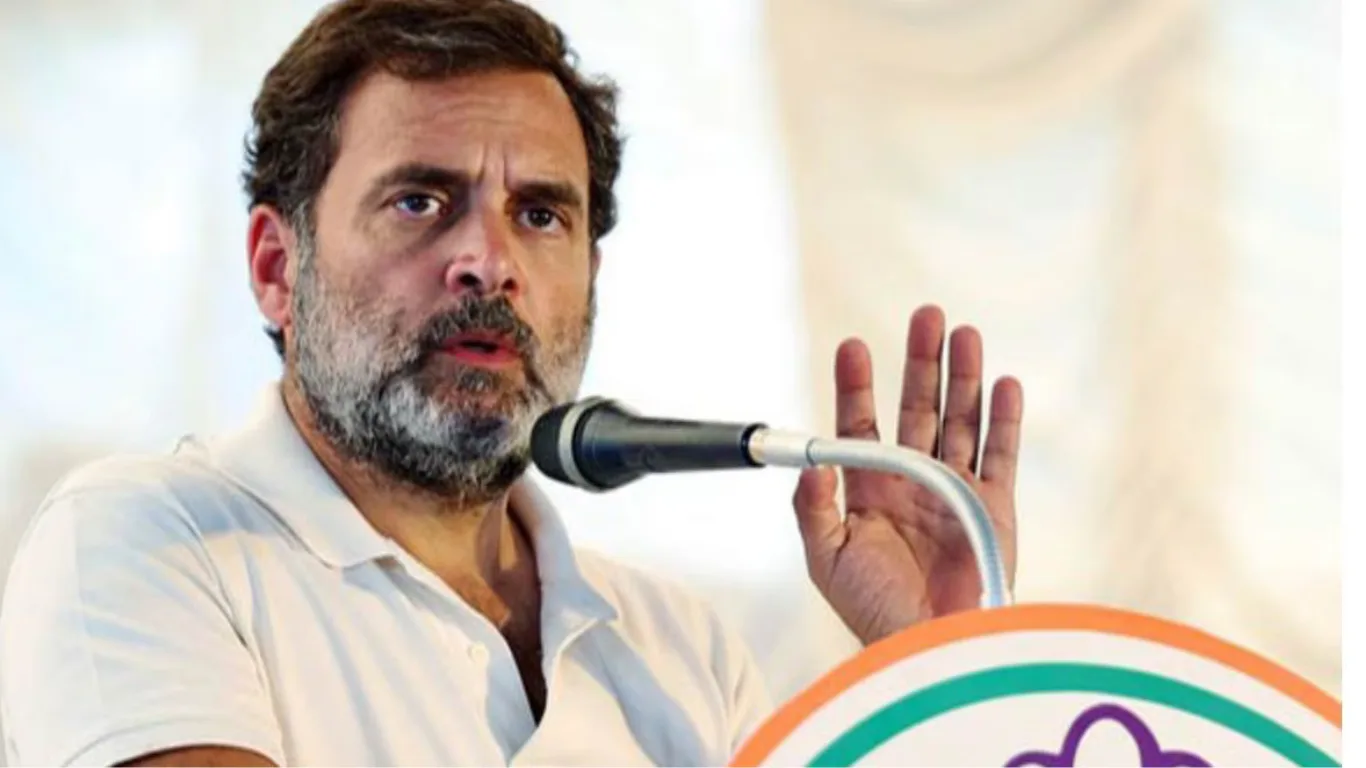
Priyanka Chaturvedi flagged the infighting within the opposition, saying such divisions weaken the broader anti-BJP front, and called the gloating from within the INDIA alliance over TMC and DMK failures "shameful."
The point, when you step back, is fairly clear. The INDIA alliance was never a natural family. It was a strategic arrangement built around a common opponent. The moment individual parties start treating each other's losses as personal victories, the alliance loses its core reason for existing.
The Longer History Behind Congress and TMC Tensions
The Congress-TMC relationship has always been complicated. Mamata Banerjee built her entire political identity in opposition to both the Left and Congress in Bengal. She did not just compete with Congress; she replaced it as the primary non-BJP force in West Bengal. For decades, this left Congress functionally irrelevant in one of India's most politically active states.
The AICC in charge of Tamil Nadu acknowledged that grassroots Congress leaders had earlier suggested that if Rahul Gandhi had joined Vijay's campaign in Tamil Nadu, they could have swept closer to 180 to 190 seats, but the leadership chose to stay with the DMK-led alliance instead. Whether in Tamil Nadu or Bengal, Congress has repeatedly paid a price for alliance decisions that did not reflect what its own ground-level workers wanted.
None of that history is irrelevant. But Rahul Gandhi's message is that now is not the time to settle those scores.
What This Tells Us About How Rahul Gandhi Reads the Political Situation
There is something instructive in the fact that Rahul Gandhi's immediate instinct, when his own side started celebrating a rival's loss, was to push back. Not to quietly let it pass. Not to say nothing and let the moment fade. He addressed it publicly and directly.
That impulse, to keep the focus on the BJP rather than on intra-opposition scores, has been consistent across his recent political positioning. Whether it works as a long-term strategy is a different question. But the immediate message, that the loss of any opposition-aligned party to the BJP is not a win for anyone outside that ecosystem, is a coherent one.
Closing Thoughts
Political rivalries run deep. The Congress-TMC history is not something that dissolves because of a social media post. But Rahul Gandhi's warning to his party workers carries a logic that goes beyond party management. If each opposition party privately roots for its rivals' failures, the BJP wins even when it is not on the ballot. That is the quiet argument being made here. Whether the INDIA alliance can hold to that logic, especially after losing Bengal and seeing Tamil Nadu go to TVK, is the real test of what the alliance actually is.
Disclaimer: This article is based on information available across the web. Parchar Manch does not take responsibility for its complete accuracy, as the content could not be fully verified.
Read More: Modi in Gangtok: What Sikkim's 50 Years of Statehood Really Means for India's Smallest State
FAQs
Why did Rahul Gandhi ask Congress workers not to celebrate TMC's defeat?
Rahul Gandhi argues that the BJP winning West Bengal is a setback for Indian democracy, regardless of how Congress and TMC feel about each other. Celebrating an opposition party's loss to the BJP weakens the broader case against the BJP's electoral dominance and fragments the INDIA alliance.
What happened in West Bengal's 2026 election?
The BJP won 206 seats in the 294-member West Bengal assembly, ending Mamata Banerjee's TMC government after 15 years in power. The majority mark was 148 seats. This is the first time the BJP has won a majority in West Bengal.
Did Mamata Banerjee accept the results?
No. Mamata Banerjee described the BJP victory as "immoral" and "illegal," alleging the mandate was "looted" in over 100 constituencies. She also accused the Election Commission of acting unfairly during the counting.
What is the INDIA alliance, and why does this matter for it?
The INDIA alliance is a coalition of opposition parties formed to contest the BJP at the national level. It includes Congress, TMC, and other regional parties. When member parties openly celebrate each other's defeats, it signals the alliance is fragmenting, which benefits the BJP.
Was the Congress-TMC relationship always this complicated?
Yes. TMC was founded in 1998 when Mamata Banerjee broke away from Congress. The two parties have competed in West Bengal for decades, with TMC essentially replacing Congress as the primary non-BJP force in the state. That rivalry makes it genuinely difficult for Congress workers to feel sympathy when TMC loses.
What did Rahul Gandhi allege about the electoral rolls in Bengal?
Rahul Gandhi alleged that the BJP "stole" elections in West Bengal and Assam. Opposition parties had raised concerns before polling that a Special Intensive Revision of voter rolls removed approximately nine million people from the voter list in West Bengal, which critics called deliberate disenfranchisement.